
في خطوة استراتيجية تهدف إلى صون التراث الإسلامي والثقافي، أطلقت الهيئة الملكية لمدينة مكة المكرمة والمشاعر المقدسة «الدليل التخطيطي للتعامل مع المناطق التاريخية». يأتي هذا الدليل كإطار تنظيمي شامل يهدف إلى حماية الأصول التراثية وتعزيز استدامتها ضمن مساحة جغرافية واسعة تقدر بنحو 2774 كيلومتراً مربعاً، مما يعكس التزام المملكة العربية السعودية بالحفاظ على هويتها التاريخية.
السياق العام والخلفية التاريخية
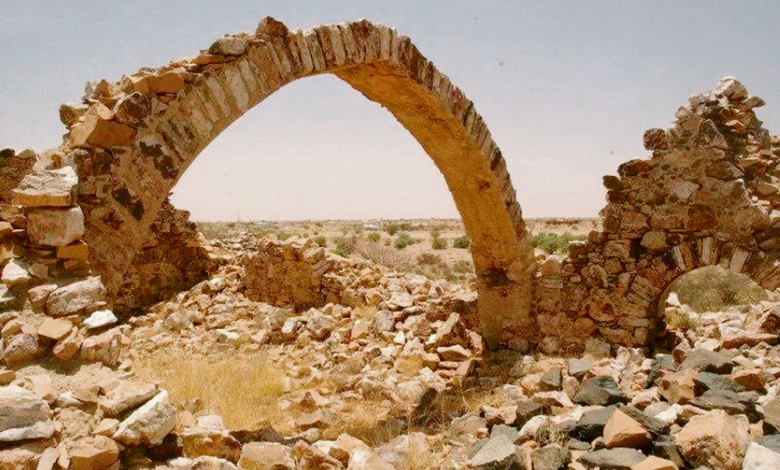
تتمتع مكة المكرمة بمكانة دينية وتاريخية لا مثيل لها في العالم الإسلامي، حيث تضم معالم ومواقع تعود إلى فجر الإسلام وما قبله. ومع التطور العمراني السريع الذي شهدته العاصمة المقدسة خلال العقود الماضية لتلبية احتياجات الأعداد المتزايدة من ضيوف الرحمن، ظهرت حاجة ماسة لإيجاد توازن دقيق بين التحديث العمراني والحفاظ على الشواهد التاريخية. وتأتي هذه الخطوة متوافقة تماماً مع مستهدفات رؤية السعودية 2030، التي تؤكد على أهمية إثراء التجربة الدينية والثقافية للحجاج والمعتمرين، وحماية الإرث الإسلامي من الاندثار نتيجة الزحف العمراني غير الموجه.
تصنيف المواقع ونطاقات الحماية
أوضحت الهيئة الملكية أن الدليل الجديد يمثل مرجعاً رسمياً لتطبيق السياسات العمرانية ضمن النطاق الإشرافي المباشر. وقد صنف الدليل المواقع التاريخية في مكة إلى 11 نوعاً رئيسياً، تشمل المساجد التاريخية، مساجد الحل، الأسواق القديمة، الأحياء التراثية، الآبار، مسارات الحج التاريخية، وصولاً إلى النقوش الصخرية وحدود الحرم المكي. ولضمان حماية فعالة، اعتمد الدليل نطاقين أساسيين: «منطقة الحماية الرئيسة» التي تحتضن الأصل التاريخي، و«المنطقة العازلة» التي تمتد لمسافة مرجعية تبلغ 200 متر لحماية السياق المحيط بالموقع.
اشتراطات البناء الصارمة
من أبرز ما جاء في الدليل هو المنع القطعي لأي أعمال بناء جديدة داخل مناطق الحماية الرئيسة. ويُسمح فقط بإقامة المنشآت الخفيفة والمؤقتة لتقديم الخدمات الضرورية، وذلك بعد الحصول على موافقة رسمية من هيئة التراث. كما قيد الدليل الارتفاعات العمرانية في التطويرات الجديدة المحيطة، حيث يُمنع تجاوز ارتفاع المباني لارتفاع الموقع التاريخي، وتم تحديد أقصى ارتفاع للتطويرات الجديدة بـ 7 أمتار (أو طابقين) في المناطق الطبيعية والريفية. بالإضافة إلى ذلك، حظرت الوثيقة استخدام المعدات الثقيلة أو إجراء أعمال الحفر العميقة قبل تنفيذ مسح أثري دقيق، ومنعت الاستخدامات الصناعية والحرفية الملوثة للبيئة داخل النطاقات العازلة.
أهمية الحدث وتأثيره المتوقع
يحمل هذا القرار تأثيراً متعدد الأبعاد؛ فعلى الصعيد المحلي، سيساهم في تحسين المشهد الحضري لمدينة مكة المكرمة، وخلق مساحات عامة مستدامة، حيث ألزم الدليل بتخصيص 30% كحد أدنى من إجمالي الفراغات كمساحات خضراء، وتوفير مناطق تظليل تغطي نصف المساحة على الأقل. أما على الصعيدين الإقليمي والدولي، فإن حماية المناطق التاريخية في مكة يعزز من القوة الناعمة للمملكة، ويقدم لملايين المسلمين حول العالم تجربة روحانية وثقافية أعمق عند زيارتهم للأراضي المقدسة، مما يتماشى مع المعايير العالمية لحماية التراث الإنساني.
إدارة الحركة والإضاءة وإدماج المواقع
لضمان سلامة الأصول التراثية، اقترحت اللوائح تحويل مسارات الحركة داخل مناطق الحماية إلى مسارات مخصصة للمشاة فقط، ومنع دخول المركبات الآلية إلا في حالات الطوارئ القصوى. كما حذرت الهيئة من استخدام الإضاءات القوية أو ذات الوهج المباشر، ملزمة باستخدام إضاءة دافئة ومنخفضة الشدة (تتراوح بين 5 إلى 20 لوكس) للحفاظ على الطابع التاريخي. وفي منهجية متطورة، أقر الدليل إدماج المواقع التي تفصلها مسافة تقل عن 130 متراً ضمن «مجموعة تاريخية» واحدة تتشارك في فراغ عمراني ثقافي متصل. وختاماً، ألزمت الهيئة الجهات المطورة بتعيين استشاري مختص في الحفاظ العمراني للإشراف على التنفيذ، مع إخضاع الدليل للتحديث المستمر كل ثلاث سنوات لضمان أعلى معايير الجودة.