Strait of Hormuz: The truth about Iran's targeting of a US frigate and Washington's response

Media escalation in the Gulf waters
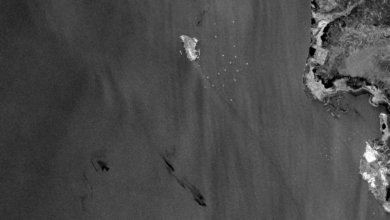
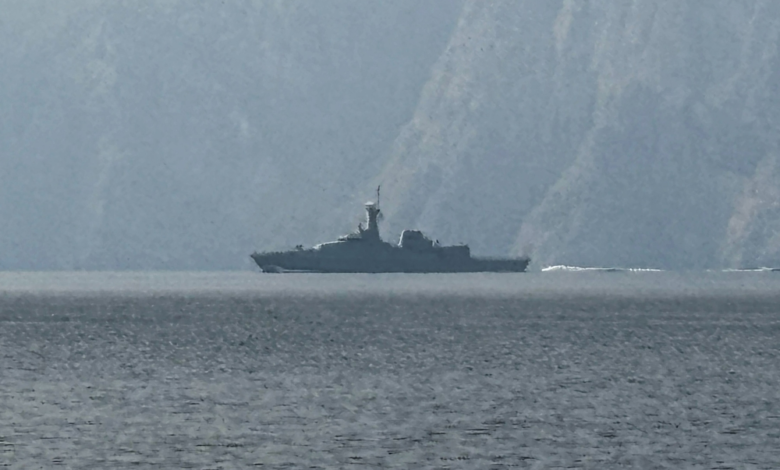
Amid escalating tensions between Tehran and Washington, Iran’s Fars News Agency claimed that Iranian naval forces targeted a US Navy frigate with two missiles as it attempted to approach the Strait of Hormuz. According to the Iranian claim, which lacked clear official sources, the US warship ignored repeated warnings before being targeted for violating maritime navigation rules near the Iranian port of Jask. This claim has sparked international concern given the strategic sensitivity of the region.
In response, Washington swiftly and categorically denied these claims. Officials at the U.S. Department of Defense (the Pentagon) confirmed that all U.S. warships in the region were safe and had not been attacked, describing the Iranian reports as “false propaganda” intended to destabilize the region and create confusion. This denial comes amidst an ongoing media and psychological war between the two countries, with each side using the media to convey political and military messages to the other.
Background to the tension and the importance of the Strait of Hormuz
This incident cannot be understood in isolation from the historical context of tensions in the Strait of Hormuz, one of the world's most important waterways. Nearly a fifth of the world's oil supply passes through this narrow strait, making it a vital artery for the global economy. Iran has long threatened to close the strait in response to economic sanctions or any potential military action against it, a move the United States and its allies consider a red line that threatens global energy security and freedom of navigation.
Over the years, the region has witnessed a series of serious incidents, including the seizure of oil tankers, attacks on commercial vessels, the downing of drones, and skirmishes between Iranian speedboats and US warships. These incidents reflect a brinkmanship strategy employed by both sides, each seeking to project power without escalating into a full-blown war.
Potential impacts at the regional and international levels
Even if the Iranian claim is false, its mere circulation carries serious repercussions. Economically, such news could cause immediate fluctuations in global oil prices and increase insurance costs for maritime shipping in the region. Militarily and politically, it increases the likelihood of miscalculations and misjudgments that could lead to a direct military confrontation. Any clash in the Strait of Hormuz would not only affect Iran and the United States, but would also impact neighboring Gulf states and the entire global economy, making it a constant source of concern for the international community, which consistently calls for restraint and de-escalation in this vital part of the world.