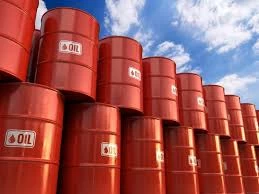

شهدت أسعار النفط العالمية قفزة كبيرة بنحو 5% في تداولات اليوم، لتعوض الخسائر التي سجلتها في وقت سابق وتدفع خام برنت القياسي نحو مستوى 114 دولاراً للبرميل. يأتي هذا الارتفاع الحاد في ظل تفاعل الأسواق مع التوترات الجيوسياسية المتصاعدة في منطقة الخليج، وتحديداً في مضيق هرمز، والتي غذتها تصريحات من الإدارة الأمريكية بشأن تأمين الملاحة في هذا الممر المائي الحيوي.
وارتفعت العقود الآجلة لخام برنت بمقدار 5.31 دولار، أو ما يعادل 4.91%، لتصل إلى 113.48 دولار للبرميل. في المقابل، صعد خام غرب تكساس الوسيط الأمريكي بواقع 4.87 دولار، أي بنسبة 4.78%، مسجلاً 106.81 دولار للبرميل. وجاء هذا الصعود بعد أن أشار الرئيس الأمريكي السابق دونالد ترامب، في منشور له، إلى أن الولايات المتحدة بدأت جهوداً لتأمين خروج السفن العالقة في مضيق هرمز، مما أثار مخاوف من احتمالية حدوث مواجهة مباشرة.
أهمية مضيق هرمز الاستراتيجية
يُعد مضيق هرمز أحد أهم الممرات المائية في العالم، حيث يمر عبره ما يقرب من خُمس استهلاك النفط العالمي يومياً، مما يجعله نقطة اختناق حيوية لإمدادات الطاقة العالمية. أي تعطيل لحركة الملاحة في هذا المضيق، سواء كان قصير الأمد أو طويل الأمد، يمكن أن يؤدي إلى اضطرابات هائلة في أسواق النفط ويزيد من تكاليف الشحن والتأمين، وهو ما ينعكس مباشرة على الأسعار العالمية للطاقة.
خلفية التوترات وتأثيرها على الأسواق
تعود جذور التوتر الحالي إلى الخلافات العميقة بين واشنطن وطهران، خاصة فيما يتعلق بالبرنامج النووي الإيراني والعقوبات الاقتصادية الأمريكية. وقد أدى تعثر المفاوضات الدبلوماسية بين الجانبين إلى بقاء حالة عدم اليقين مسيطرة على الأسواق، مما أبقى أسعار النفط مدعومة فوق حاجز 100 دولار للبرميل. يخشى المستثمرون من أن أي تصعيد عسكري قد يؤدي إلى إغلاق المضيق، مما سيقطع إمدادات كبيرة من النفط عن السوق العالمية في وقت يعاني فيه بالفعل من شح في المعروض.
التأثيرات الاقتصادية العالمية والإقليمية
إن استمرار ارتفاع أسعار النفط له تداعيات واسعة على الاقتصاد العالمي. فهو يغذي الضغوط التضخمية التي تواجهها معظم الدول، ويزيد من تكاليف الإنتاج والنقل، ويقلص من القوة الشرائية للمستهلكين. بالنسبة للدول المستوردة للنفط، يمثل هذا تحدياً كبيراً لموازناتها، بينما تستفيد الدول المصدرة من زيادة إيراداتها. إقليمياً، يزيد التصعيد من مخاطر الاستقرار في منطقة الشرق الأوسط، التي تعد بالفعل بؤرة للعديد من التوترات الجيوسياسية.
قرارات أوبك+ في مواجهة المخاطر
على صعيد العرض، يأتي هذا الارتفاع في الأسعار على الرغم من الجهود التي يبذلها تحالف “أوبك+”، الذي يضم منظمة البلدان المصدرة للبترول (أوبك) وحلفاءها بقيادة روسيا. وكان التحالف قد قرر مؤخراً زيادة متواضعة في أهداف الإنتاج بنحو 188 ألف برميل يومياً، في محاولة لتلبية الطلب المتزايد وتحقيق الاستقرار في السوق. ومع ذلك، فإن هذه الزيادات التدريجية تبدو غير كافية لتهدئة مخاوف السوق التي تهيمن عليها المخاطر الجيوسياسية أكثر من أساسيات العرض والطلب في الوقت الراهن.