
A heated night in Rabat following the Moroccan football classic
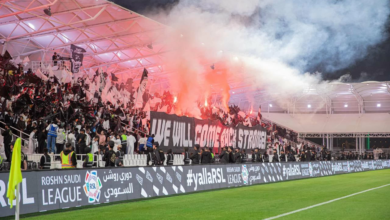
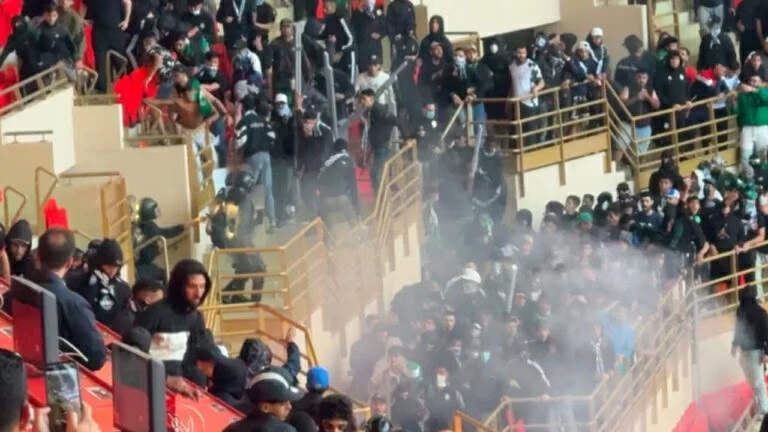
The joy of the Royal Army fans after their important 2-1 victory over arch-rivals Raja Casablanca at the Prince Moulay Abdellah Sports Complex in Rabat was short-lived. Immediately after the final whistle, the celebratory atmosphere around the stadium and in the capital's streets turned into widespread rioting and chaos, prompting a large-scale security intervention that resulted in the arrest of 136 people, including minors, suspected of involvement in acts of vandalism and violence.
Details of the riots and material losses
The tension began immediately after the fans left the stadium, with clashes erupting in various locations, particularly in the Al-Fath neighborhood adjacent to the stadium. According to local authorities, the riots resulted in significant material damage, including extensive damage to several private vehicles and the burning of a motorcycle belonging to a member of the security forces. The night also saw direct confrontations between rioters and security forces, who were pelted with stones, leading to chaos that lasted for hours before security forces were able to bring the situation under control and restore calm to the area.
Historical background of the clash of the giants
The match between AS FAR and Raja Casablanca, known as the "Moroccan Clasico," is one of the oldest and fiercest rivalries in the history of Moroccan football. This encounter represents a fierce competition between the team from the administrative capital (Rabat) and the team from the economic capital (Casablanca), a rivalry that extends beyond the pitch to encompass social and regional dimensions. Over the decades, the Clasico has been renowned for its passionate atmosphere and massive fan attendance, but it has also witnessed episodes of tension and violence, which always places it under tight security surveillance.
Expected impact: The reputation of Moroccan football is at stake
These unfortunate events come at a time when Moroccan football is enjoying its most successful period internationally, especially after the national team's historic achievement at the 2022 Qatar World Cup, and Morocco's preparations to host the 2025 Africa Cup of Nations and co-host the 2030 World Cup. The recurring incidents of hooliganism cast a shadow over this bright image and raise serious questions about the ability of Moroccan stadiums to guarantee the safety of fans and teams. Domestically, this incident has reignited the debate surrounding hooliganism and the role of ultras groups, placing significant pressure on the Royal Moroccan Football Federation and the authorities to find radical solutions that ensure sporting competition remains confined to the pitch, far removed from the language of violence and vandalism that threatens public order and distorts the very essence of sport.