Endowments: Prohibition of seizing endowed assets to settle the debts of the endower

A decisive decision to protect endowment assets
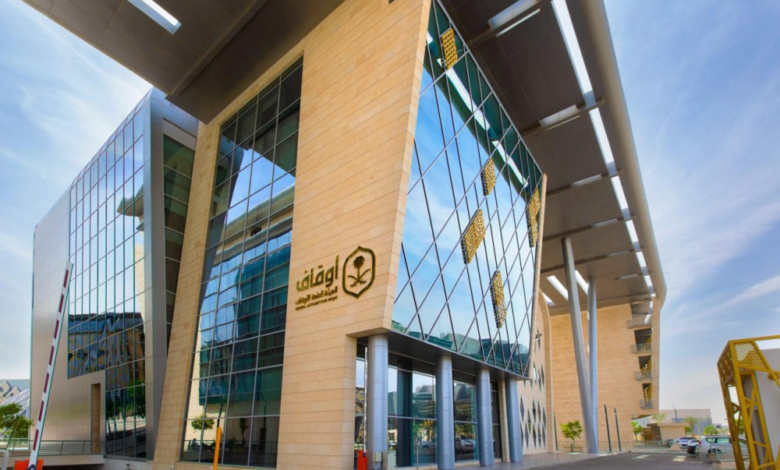
The General Authority for Endowments in the Kingdom of Saudi Arabia issued a decisive clarification aimed at protecting the endowments sector and enhancing its sustainability. It categorically affirmed that endowed assets cannot be seized or liquidated to settle the debts of the endower. This decision is based on the established legal and Sharia principle that an endowed asset is completely removed from the endower's financial liability and ownership upon its establishment and documentation as an endowment, becoming an independent entity dedicated entirely to achieving the charitable or public objectives and purposes stipulated in the endowment deed.
General context and historical background of endowments in the Kingdom
Endowments (waqf) hold a prominent position in Islamic law as one of the most important pillars of social solidarity and sustainable economic development. Historically, since its founding, the Kingdom of Saudi Arabia has given considerable attention to the endowment sector, working to protect it and develop its legislation to ensure the preservation of endowed assets and the continuity of their returns. In modern times, these efforts culminated in the establishment of the General Authority for Endowments, which has undertaken the responsibility of regulating, developing, and protecting this vital sector from any abuses that could harm endowment assets. This is achieved through strict Sharia and regulatory controls that guarantee the sustainability of charitable work and prevent its misuse.
Exceptional cases and judicial intervention
Despite the strict general rule prohibiting the seizure of endowments, the Authority revealed that there are very limited exceptional cases that may permit financial enforcement against the endowment or its proceeds. These cases are not arbitrary but are subject to purely judicial discretion by the competent courts. This procedure requires proving the existence of a strong legal and regulatory justification for seizure, such as proving that the endowment was established with the intention of harming creditors or evading the repayment of debts incurred prior to the endowment's establishment. The regulatory authorities emphasized that judicial intervention in these rare cases always takes into account the achievement of justice and the preservation of the rights of all parties involved in the dispute, while ensuring that the fundamental objectives of the endowment are not compromised or its charitable sustainability negatively impacted.
The importance of the decision and its expected impact locally and regionally
This regulatory affirmation carries significant weight on several levels. Domestically, the decision contributes to strengthening public and business confidence in the endowment system, encouraging the investment of more assets in the endowment sector without fear of future financial disputes. This aligns directly with the objectives of Saudi Vision 2030 to maximize the impact of the non-profit sector and increase its contribution to the GDP. Regionally and internationally, this legislative clarity solidifies the Kingdom's position as a leading model in endowment governance and management according to best legal and Sharia practices. This provides a reliable framework that other Islamic countries can utilize in developing their endowment legislation and protecting their charitable assets from dissipation.