
شهدت أسواق الطاقة العالمية قفزة كبيرة في أسعار النفط خلال تداولات يوم الإثنين، حيث تجاوز سعر خام برنت القياسي حاجز 105 دولارات للبرميل. ويأتي هذا الارتفاع الملحوظ في أعقاب تصاعد التوترات الجيوسياسية في منطقة الشرق الأوسط، وتحديداً بعد رفض الولايات المتحدة لمقترح إيراني حديث، مما أثار مخاوف المستثمرين بشأن استقرار إمدادات النفط العالمية.
تفاصيل حركة الأسعار في الأسواق
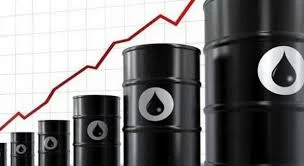
في تفاصيل التعاملات، صعدت العقود الآجلة لخام برنت القياسي العالمي تسليم شهر يوليو القادم بنسبة وصلت إلى 3.85%، أي ما يعادل 3.90 دولار، ليستقر سعر البرميل عند 105.19 دولار، بعد أن كان قد تراجع إلى 102.81 دولار في وقت سابق من الجلسة. على صعيد متصل، ارتفعت العقود الآجلة لخام غرب تكساس الوسيط الأمريكي (نايمكس) تسليم شهر يونيو بنسبة 4%، أو 3.81 دولار، مسجلة 99.23 دولار للبرميل.
السياق الجيوسياسي وأثره على الأسواق
تعتبر أسواق النفط شديدة الحساسية تجاه الأوضاع السياسية في الشرق الأوسط، نظراً لكون المنطقة تضم أكبر منتجي ومصدري النفط في العالم. ويعد مضيق هرمز، الذي تمر عبره قرابة خُمس إمدادات النفط العالمية، نقطة محورية في هذا السياق. أي تهديد بإغلاق هذا الممر المائي الحيوي أو تعطيل حركة الملاحة فيه يؤدي حتماً إلى حالة من القلق في الأسواق ويدفع الأسعار إلى الارتفاع بشكل فوري. الرفض الأمريكي للمبادرة الإيرانية الأخيرة، والذي وصفه الرئيس الأمريكي دونالد ترامب بأنه يجعل اتفاق وقف إطلاق النار “يحتضر”، تم تفسيره من قبل المتعاملين على أنه مؤشر على استمرار حالة عدم اليقين، مما يزيد من علاوة المخاطر الجيوسياسية المضافة إلى أسعار النفط.
توقعات المحللين وتأثيرها المحتمل
في هذا الإطار، حذر محللو “سيتي بنك” في مذكرة بحثية من أن أسعار النفط قد تشهد مزيداً من الصعود في الفترة المقبلة. وأشاروا إلى أنه في حال فشل الأطراف المعنية في التوصل إلى اتفاق يضمن أمن الملاحة وفتح مضيق هرمز بشكل كامل، فإن الأسعار مرشحة للارتفاع بقوة. ويأتي هذا التحذير على الرغم من المستويات المرتفعة نسبياً للمخزونات العالمية حالياً، مما يؤكد أن المخاوف من انقطاع الإمدادات في المستقبل تتفوق في تأثيرها على بيانات المخزون الحالية. إن هذا الوضع يعكس الطبيعة الاستشرافية لأسواق الطاقة، حيث يتم تسعير المخاطر المستقبلية في الوقت الحاضر.
التأثيرات الاقتصادية إقليمياً وعالمياً
إن ارتفاع أسعار النفط بهذا الشكل له تداعيات واسعة النطاق. على المستوى العالمي، يساهم في تغذية الضغوط التضخمية، ويرفع تكاليف الإنتاج والنقل على الشركات، وقد يؤدي إلى تباطؤ النمو الاقتصادي، خاصة في الدول المستوردة للنفط مثل الصين ودول الاتحاد الأوروبي. أما على الصعيد الإقليمي، فبينما تستفيد الدول المصدرة للنفط من زيادة إيراداتها، فإن حالة عدم الاستقرار التي تسبب هذا الارتفاع تشكل تهديداً طويل الأمد للمنطقة بأسرها. وبالنسبة للمستهلك النهائي حول العالم، يترجم هذا الارتفاع مباشرة إلى زيادة في أسعار الوقود وتكاليف الطاقة، مما يؤثر على ميزانيات الأسر والقدرة الشرائية.