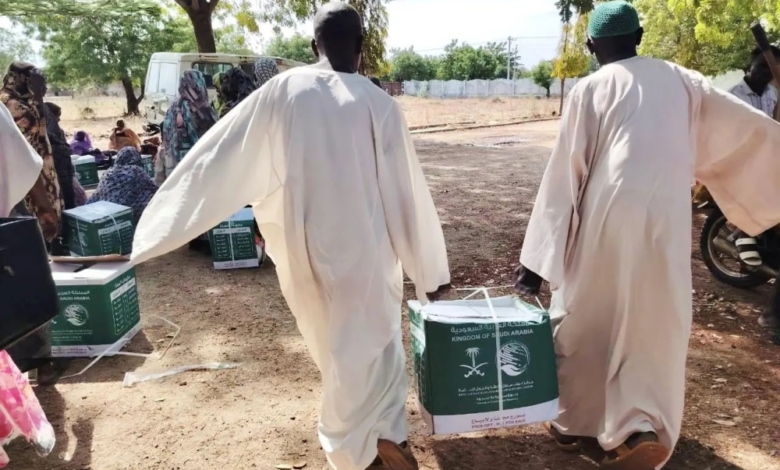
The King Salman Humanitarian Aid and Relief Center supports displaced people in Sudan with food baskets

As part of the ongoing humanitarian efforts provided by the Kingdom of Saudi Arabia to the brotherly Sudanese people, the King Salman Humanitarian Aid and Relief Center distributed 1,000 food baskets in the Qaysan locality of Blue Nile State, Sudan. This aid benefited 6,088 individuals from displaced and vulnerable families, as part of the Food Security Support Project in Sudan.
The general context of the humanitarian crisis in Sudan
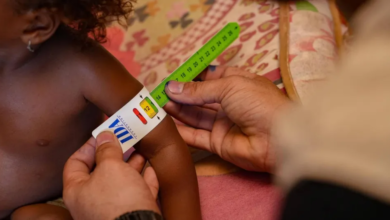
This aid comes at a critical time for Sudan, which has been experiencing a complex humanitarian crisis since the outbreak of conflict in April 2023. The conflict has displaced millions of people internally and forced hundreds of thousands to seek refuge in neighboring countries, creating one of the world's largest displacement crises. The population suffers from severe shortages of food, clean water, and healthcare, and UN agencies have repeatedly warned of the risk of famine threatening large parts of the country. Blue Nile State is among the affected states that have received large numbers of displaced people, further straining already limited resources.
The importance and impact of Saudi aid
The support provided by the King Salman Humanitarian Aid and Relief Centre is a lifeline for thousands of families who have lost their sources of income and are entirely dependent on aid for survival. Each food basket contains essential items sufficient for a family for several weeks, contributing to a relative improvement in local food security and alleviating hunger. Regionally and internationally, these efforts highlight the Kingdom of Saudi Arabia’s leading role in humanitarian work and underscore its commitment to supporting stability in the region and alleviating the suffering of people affected by crises. These initiatives also complement international efforts aimed at preventing the humanitarian catastrophe in Sudan from worsening.
Ongoing efforts in other areas
The center's efforts were not limited to Blue Nile State. Simultaneously, 800 additional food baskets were distributed in Omdurman locality, Khartoum State, benefiting 4,994 individuals from displaced and returning families. This aid falls under the "Madad" initiative launched by the center to support Sudan until 2026, reflecting a long-term vision to provide sustainable support to the Sudanese people to overcome this difficult crisis.