Details of the downing of a US fighter jet in Iran and the rescue of one of its pilots

Details of the US fighter jet crash in Iran
In a highly significant military and security development, US media reports indicate that American forces successfully conducted a complex rescue operation for one of the pilots of a US Air Force fighter jet that crashed inside Iranian territory. Intensive military and intelligence operations are still underway to search for the other officer who was aboard the aircraft. This incident adds a new chapter of tension to the already complex relationship between Washington and Tehran.
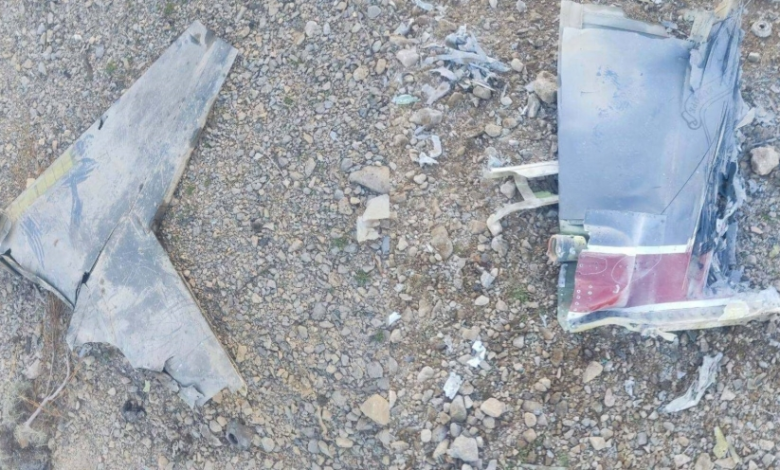
On the other hand, Iranian state media quickly covered the event, broadcasting videos and images showing the wreckage of the military aircraft scattered at the crash site. In a move reflecting the sensitivity of the situation and an attempt to exploit the incident, Iranian state television announced a substantial financial reward for anyone who could capture the American pilot or pilots and hand them over to Iranian security forces, reflecting a frantic race between American search and rescue operations and Iranian pursuit efforts.
Specifications of the F-15E fighter jet and its strategic importance
Reliable news reports, most notably those published by The New York Times and The Wall Street Journal, confirmed that the crashed aircraft was an F-15E Strike Eagle. This fighter jet is one of the most important dual-role attack aircraft in the American arsenal, designed to operate in all weather conditions and carry out precision strikes deep inside enemy territory. The aircraft is unique in that it carries a crew of two: a pilot in the front seat and a weapons systems officer (WSO) in the rear seat to manage the weapons and advanced radar systems, which explains the ongoing search for the second crew member.
The historical context of US-Iranian tensions
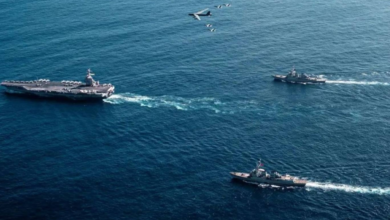
The downing of a US fighter jet in Iran cannot be understood in isolation from the broader context and historical background of ongoing tensions in the Middle East. Since the severing of diplomatic relations between the two countries in 1980 following the hostage crisis, the Persian Gulf and the Strait of Hormuz have become a constant theater of military confrontations. The United States maintains a significant military presence in the region through US Central Command (CENTCOM), ostensibly to secure maritime navigation and protect its allies, while Tehran views this presence as a direct threat to its national security.
The expected repercussions of the incident regionally and internationally
This incident is expected to have far-reaching repercussions at both the regional and international levels. Domestically and regionally, it could lead to a heightened state of alert among Iranian forces and increased military readiness at US bases in neighboring countries. Internationally, the downing of a technologically advanced US military asset in hostile territory raises serious concerns at the Pentagon about the possibility of sensitive military aviation technology falling into the hands of Iranian experts, potentially giving them the opportunity to study these systems or share them with other international allies.
In conclusion, this incident highlights the high level of expertise and the significant risks faced by U.S. Army combat search and rescue (CSAR) units. The coming hours remain crucial in determining the fate of the missing officer and the potential diplomatic and military repercussions of this crisis, which could reshape the unspoken rules of engagement between the United States and Iran in the region's airspace.