
في تصعيد دبلوماسي جديد يعكس عمق التوتر الأمني على الحدود، استدعت وزارة الخارجية الباكستانية يوم الإثنين القائم بالأعمال الأفغاني في إسلام آباد. جاء هذا الإجراء في أعقاب هجوم انتحاري منسق ودامي وقع نهاية الأسبوع في منطقة بانو بإقليم خيبر بختونخوا شمال غرب باكستان، والذي ألقت إسلام آباد باللوم فيه على مسلحين يتخذون من أفغانستان ملاذاً آمناً لهم.
تفاصيل الهجوم الدامي في بانو
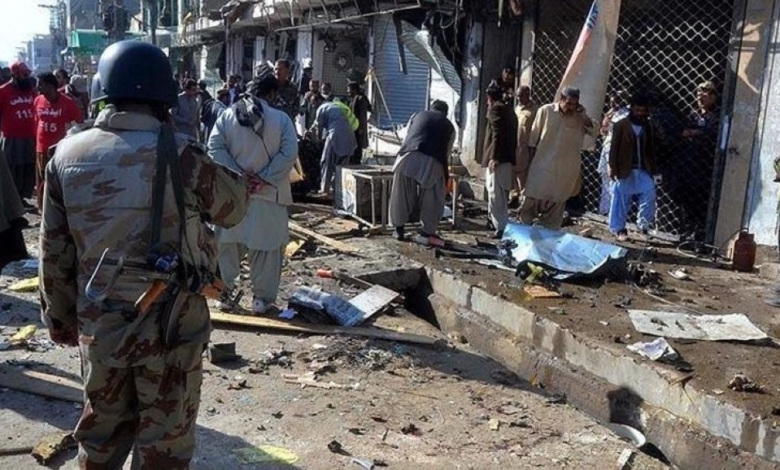
بدأ الهجوم المروع يوم السبت عندما فجّر انتحاري سيارة مفخخة عند نقطة تفتيش أمنية، أعقبه هجوم منسق شنه مسلحون آخرون، حيث فتحوا النار على قوات الأمن. وأسفر الاعتداء عن مقتل 15 شخصاً على الأقل، بحسب مسؤولين محليين. وأشار مسؤول إداري كبير في منطقة بانو، القريبة من الحدود الأفغانية، إلى أن الهجوم كان واسع النطاق، حيث شارك فيه أكثر من 100 مسلح استخدموا أسلحة ثقيلة وطائرات مسيرة صغيرة، مما يدل على مستوى عالٍ من التخطيط والتجهيز.
خلفية تاريخية وجذور التوتر
تعتبر منطقة الحدود الباكستانية الأفغانية، المعروفة بخط ديورند، بؤرة للتوتر منذ عقود طويلة. وقد شهدت هذه المنطقة نشاطاً متزايداً للجماعات المسلحة، وعلى رأسها حركة طالبان باكستان (TTP)، التي شنت تمرداً عنيفاً ضد الدولة الباكستانية لأكثر من عقد. ورغم أن حركة طالبان باكستان منفصلة عن حركة طالبان الأفغانية، إلا أنهما تشتركان في جذور أيديولوجية عميقة. منذ عودة طالبان إلى السلطة في كابول في أغسطس 2021، شهدت باكستان تصاعداً ملحوظاً في الهجمات التي تتبناها حركة طالبان باكستان، مما أحبط آمال إسلام آباد في أن تقوم الحكومة الأفغانية الجديدة بكبح جماح هذه الجماعات.
الأبعاد الإقليمية والدولية للتصعيد
يحمل هذا الهجوم وتداعياته الدبلوماسية أبعاداً تتجاوز الحدود المحلية. على الصعيد الإقليمي، يزيد الحادث من تدهور العلاقات المتوترة أصلاً بين باكستان وأفغانستان، والتي شهدت في الأشهر الأخيرة مواجهات مسلحة عبر الحدود وغارات جوية باكستانية داخل الأراضي الأفغانية. كما يضع حكومة طالبان في كابول تحت ضغط دولي متزايد لإثبات التزامها بمنع استخدام أراضيها لشن هجمات ضد دول الجوار، وهو تعهد أساسي قطعته في اتفاق الدوحة. وقد أعربت السفارة الأمريكية في إسلام آباد عن “حزنها العميق” إزاء الأحداث المأساوية، مؤكدة أن “المواطنين الباكستانيين يستحقون الأمن والسلام ومستقبلاً غير مثقل بآفة العنف الإرهابي”.
وأكدت وزارة الخارجية الباكستانية في بيانها أنها قدمت للقائم بالأعمال الأفغاني أدلة ومعلومات استخباراتية وتقنية تشير إلى أن “الهجوم دبره إرهابيون مقيمون في أفغانستان”. وفي المقابل، نفت حكومة طالبان مراراً هذه الاتهامات، مؤكدة أنها لا تسمح لأي جهة بتهديد أمن الدول الأخرى انطلاقاً من أراضيها، مما يبقي باب التوتر مفتوحاً ويهدد استقرار المنطقة بأكملها.