
تشديد الرقابة الأمريكية على صادرات النفط الإيرانية
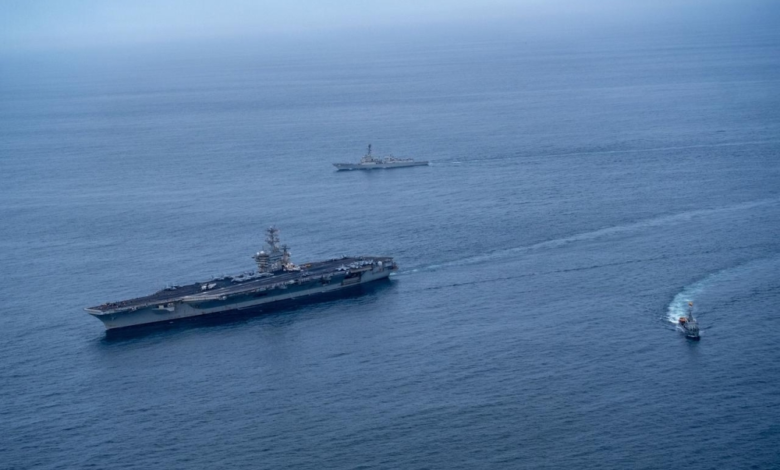
أعلنت وزارة الدفاع الأمريكية (البنتاغون)، يوم الخميس، أن القوات البحرية الأمريكية نفذت عملية اعتراض وتفتيش لناقلة نفط إيرانية في المحيط الهندي، في ثاني عملية من نوعها خلال ثلاثة أيام فقط. تأتي هذه الخطوة في سياق تشديد واشنطن للعقوبات المفروضة على طهران بهدف الحد من صادراتها النفطية التي تعد شريان الحياة لاقتصادها.
وفي بيان رسمي نُشر عبر منصة “إكس”، أوضحت الوزارة أن قواتها “نفذت عملية اعتراض بحري وتفتيش لسفينة النقل ‘ماجستيك إكس’ الخاضعة للعقوبات، والتي كانت تنقل النفط من إيران”. وأضاف البيان أن العملية تمت بموجب “حق التفتيش البحري” المعترف به دوليًا لفرض العقوبات ومنع الأنشطة غير المشروعة في المياه الدولية.
خلفية الصراع وسياسة “الضغط الأقصى”
تعود جذور هذه المواجهة البحرية إلى سياسة “الضغط الأقصى” التي تبنتها الإدارة الأمريكية السابقة بهدف إجبار إيران على إعادة التفاوض بشأن برنامجها النووي وأنشطتها الإقليمية. وشملت هذه السياسة إعادة فرض عقوبات اقتصادية صارمة بعد الانسحاب الأمريكي من الاتفاق النووي (خطة العمل الشاملة المشتركة) في عام 2018. وتستهدف هذه العقوبات بشكل أساسي قطاعي النفط والبنوك في إيران، مما أدى إلى تقليص قدرة طهران على بيع نفطها الخام في الأسواق العالمية بشكل كبير.
وقد أدت هذه الإجراءات إلى تصاعد التوتر في الممرات المائية الحيوية، خاصة في مضيق هرمز الذي يمر عبره خُمس استهلاك النفط العالمي، وشهدت المنطقة حوادث احتجاز سفن وهجمات متبادلة بين الطرفين خلال السنوات الماضية.
تأثيرات الحصار البحري على المستويات المحلية والإقليمية والدولية
تؤثر عمليات الاعتراض والحصار البحري بشكل مباشر على الاقتصاد الإيراني، حيث تحرمه من عائدات مالية حيوية، مما يزيد من الضغوط الداخلية على النظام. وعلى الصعيد الإقليمي، تزيد هذه العمليات من حالة عدم الاستقرار في منطقة الخليج والمحيط الهندي، وتثير قلق الدول المجاورة التي تعتمد على استقرار الملاحة البحرية لتجارتها. أما دوليًا، فتؤدي هذه التوترات إلى تقلبات في أسعار الطاقة العالمية، كما تخلق انقسامات دبلوماسية بين الولايات المتحدة والدول التي لا تزال تتعامل تجاريًا مع إيران، مثل الصين.
وفي وقت سابق، كان الجيش الأمريكي قد أعلن أنه وجّه 31 سفينة لتغيير مسارها أو العودة إلى الموانئ الإيرانية منذ بدء فرض الحصار، مؤكدًا في تصريحات نقلتها قناة “العربية” أنه “لن يسمح لأي سفينة بدخول الموانئ الإيرانية أو الخروج منها”. وقد نقلت وكالة “رويترز” عن مصادر ملاحية أن القوات الأمريكية اعترضت ما لا يقل عن 3 ناقلات نفط إيرانية في المياه الآسيوية، وأجبرت إحداها على تغيير مسارها، مما يعكس النطاق الواسع لعمليات المراقبة والإنفاذ الأمريكية.
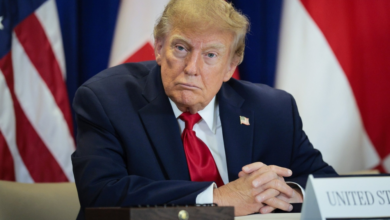
وكان الرئيس الأمريكي السابق دونالد ترامب قد صرح بأن الحصار المفروض على الموانئ الإيرانية “يرعب النظام الإيراني أكثر من القصف”، مؤكدًا استمرار هذه السياسة الصارمة للضغط على طهران.