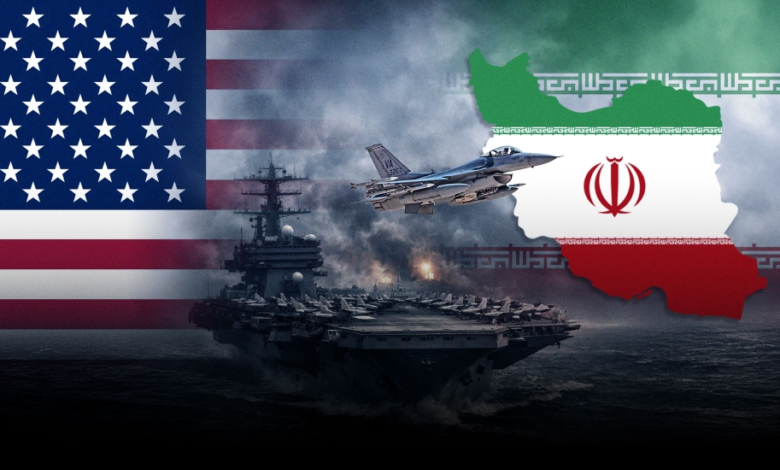

تتصاعد حدة التوترات الجيوسياسية في منطقة الشرق الأوسط بشكل متسارع، حيث رجح مسؤولون أمريكيون إمكانية توجيه ضربة محدودة لإيران في وقت مبكر من الأسبوع المقبل. يأتي هذا التطور الخطير في ظل تعثر المسار الدبلوماسي وتزايد التحشيد العسكري من كلا الطرفين، مما ينذر بمرحلة جديدة من التصعيد في المنطقة.
تفاصيل التصعيد والموقف الأمريكي
وفقاً لما نقلته قناة العربية عن صحيفة “وول ستريت جورنال”، أشار مسؤولون أمريكيون إلى أن مساعدي الرئيس دونالد ترامب يميلون إلى خيار توجيه ضربة عسكرية محدودة كأداة استراتيجية لزيادة الضغط الأقصى على طهران. وأكدت المصادر ذاتها أن هذا التوجه يأتي كنتيجة مباشرة لغياب أي تقدم ملموس في المحادثات الجارية مع الجانب الإيراني، مما دفع الإدارة الأمريكية إلى التلويح بالخيار العسكري.
وفي تصعيد لافت للغة الخطاب، حذر مسؤول أمريكي من أنه في حال لم تقدم طهران التنازلات المطلوبة وتغير من موقفها الحالي، فإن “التفاوض سيكون عبر القنابل”. وأوضح المسؤول في تصريحات لموقع “أكسيوس” أن الضغط الأمريكي يهدف بالأساس إلى دفع إيران للاستجابة بالشكل الصحيح، مؤكداً عدم وجود محادثات مباشرة حول جوهر الاتفاق النووي، بل تقتصر الاتصالات على قنوات غير مباشرة للاتفاق على شكل المفاوضات المستقبلية.
تحركات عسكرية إيرانية وتأهب صاروخي
على الجانب الآخر، لم تقف طهران مكتوفة الأيدي أمام هذه التهديدات. فقد كشفت تقارير استخباراتية أمريكية، نقلتها صحيفة “نيويورك تايمز”، أن القيادة العسكرية الإيرانية بدأت في اتخاذ خطوات ميدانية تحسباً لأي هجوم. وشملت هذه التحركات نقل منصات إطلاق صواريخ أرض-أرض وإعادة فتح عشرات المواقع الصاروخية التي كانت مغلقة، في إشارة واضحة إلى الاستعداد لتجدد القتال والرد على أي استهداف للأراضي الإيرانية.
السياق التاريخي للأزمة النووية
لفهم الجذور العميقة لهذا التصعيد، يجب العودة إلى السياق التاريخي للأزمة. فمنذ انسحاب الولايات المتحدة أحادي الجانب من الاتفاق النووي (خطة العمل الشاملة المشتركة) في عام 2018، تبنت واشنطن سياسة “الضغوط القصوى” التي شملت عقوبات اقتصادية قاسية. في المقابل، تخلت إيران تدريجياً عن التزاماتها النووية، ورفعت نسب تخصيب اليورانيوم إلى مستويات تقترب من الدرجة العسكرية، مما أثار قلق المجتمع الدولي بأسره.
وقد شهدت السنوات الماضية حوادث تصعيد مشابهة، لعل أبرزها التوترات التي أعقبت اغتيال قائد فيلق القدس قاسم سليماني في أوائل عام 2020، والذي ردت عليه إيران بضربة صاروخية استهدفت قاعدة عين الأسد التي تستضيف قوات أمريكية في العراق. هذه السوابق التاريخية تجعل من التهديدات الحالية بتوجيه ضربة محدودة سيناريوهاً قابلاً للتحقق، وليس مجرد مناورة سياسية.
التداعيات الإقليمية والدولية المتوقعة
إن أي عمل عسكري ضد إيران، حتى وإن كان محدوداً، يحمل في طياته تداعيات خطيرة على المستويين الإقليمي والدولي. إقليمياً، قد يؤدي الهجوم إلى إشعال جبهات متعددة عبر حلفاء إيران والفصائل المسلحة المرتبطة بها في المنطقة، مما يهدد أمن الدول المجاورة وحركة الملاحة البحرية.
دولياً، يمثل مضيق هرمز، الذي تطل عليه إيران، شرياناً حيوياً يمر عبره نحو خُمس استهلاك العالم من النفط. وأي توتر عسكري في هذه المنطقة الحساسة سيؤدي حتماً إلى تقلبات حادة في أسعار الطاقة العالمية، مما سيلقي بظلاله السلبية على الاقتصاد العالمي. لذلك، تترقب الأوساط الدولية بحذر شديد مسار الأحداث خلال الأيام القادمة، وسط دعوات لضبط النفس والعودة إلى طاولة الحوار الجاد والعميق بشأن البرنامج النووي الإيراني.