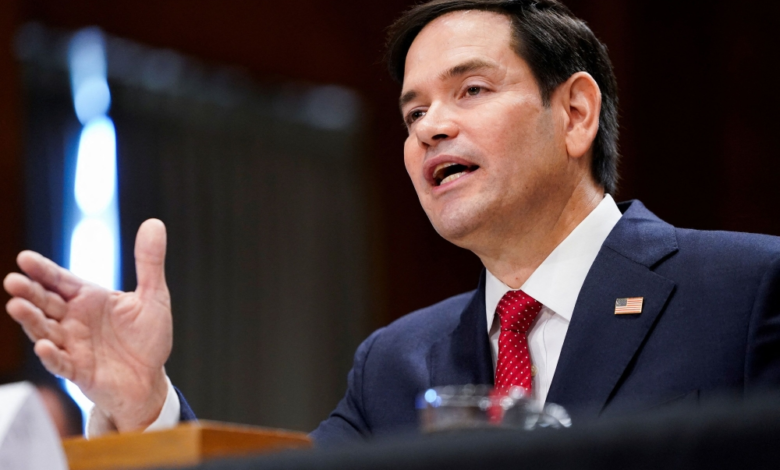

في خطوة تعكس التحولات في السياسة الصحية الخارجية للولايات المتحدة، أعلن وزير الخارجية الأمريكي، ماركو روبيو، عن خطة طموحة تهدف إلى احتواء تفشي فيروس إيبولا في الكونغو الديمقراطية. وتتضمن هذه الخطة افتتاح نحو 50 عيادة طبية متخصصة لمعالجة المصابين، في محاولة للحد من انتشار هذا الوباء القاتل الذي أودى بحياة العشرات مؤخراً.
تفاصيل الدعم الأمريكي لمكافحة فيروس إيبولا
أكد روبيو أن الولايات المتحدة التزمت بتقديم حزمة مساعدات مالية بقيمة 13 مليون دولار أمريكي لدعم جهود الاستجابة الطبية، وذلك على الرغم من الاقتطاعات الحادة التي شهدتها ميزانية المساعدات الخارجية في العام الماضي. سيتم تخصيص هذه الأموال بشكل أساسي لإنشاء وتشغيل 50 عيادة طبية في جمهورية الكونغو الديمقراطية، مما سيوفر بنية تحتية حيوية لتقديم الرعاية الصحية العاجلة وعزل الحالات المصابة لمنع انتقال العدوى.
انتقادات لمنظمة الصحة العالمية والاعتماد على (CDC)
وفي سياق رده على تساؤلات الصحفيين حول كيفية تعامل الإدارة الأمريكية مع هذا التفشي الخطير، وجه روبيو انتقادات مبطنة لجهود الأمم المتحدة، مشيراً إلى أن منظمة الصحة العالمية تأخرت في إعلان حالة الطوارئ وتفشي المرض. وقال روبيو نصاً: “المرجع سيكون بطبيعة الحال مراكز مراقبة الأمراض والوقاية منها (سي دي سي) ومنظمة الصحة العالمية التي للأسف تأخرت بعض الشيء على هذا الصعيد”. يأتي هذا التصريح في وقت أعربت فيه منظمة الصحة العالمية عن قلقها البالغ إزاء سرعة انتشار الفيروس ونطاقه، خاصة بعد تسجيل وفاة 131 شخصاً جراء الإصابة به.
الخلفية التاريخية والتحديات اللوجستية في الكونغو
تعتبر جمهورية الكونغو الديمقراطية الموطن الأول الذي تم فيه اكتشاف فيروس إيبولا عام 1976 بالقرب من نهر إيبولا، ومنذ ذلك الحين، واجهت البلاد موجات متعددة من التفشي. ومع ذلك، فإن الاستجابة الطبية تواجه تحديات هائلة. فقد لفت وزير الخارجية الأمريكي إلى أن الوصول إلى المناطق الموبوءة صعب بعض الشيء، نظراً لكونها مناطق ريفية نائية تقع في بلد مزقته الحروب والنزاعات المسلحة. إن غياب البنية التحتية السليمة، ووجود الجماعات المسلحة في شرق الكونغو، يعرقلان وصول الفرق الطبية وتتبع المخالطين، مما يجعل من الدعم الدولي المباشر أمراً بالغ الأهمية.
السياق السياسي: إرث ترامب والسياسة الصحية العالمية
لا يمكن فصل هذه الخطوة الأمريكية عن السياق السياسي الأوسع المتعلق بعلاقة واشنطن بالمنظمات الدولية. ففي العام الماضي، وخلال ولايته السابقة، اتخذ الرئيس دونالد ترامب قراراً حاسماً بتوقيع مرسوم يقضي بانسحاب الولايات المتحدة من منظمة الصحة العالمية. جاء ذلك القرار بعد توجيه انتقادات شديدة للمنظمة بشأن كيفية إدارتها واستجابتها لجائحة كورونا (كوفيد-19)، وهي الجائحة التي ألقت بظلالها الثقيلة على ولايته الرئاسية الأولى وأثرت على المشهد السياسي قبيل انتخابات 2020. يعكس التوجه الحالي نحو التدخل المباشر عبر مراكز (CDC) استراتيجية أمريكية جديدة تعتمد على المبادرات الثنائية بدلاً من الاعتماد الكلي على الكيانات المتعددة الأطراف.
الأهمية الإقليمية والدولية لاحتواء الوباء
يحمل التدخل الأمريكي في الكونغو أهمية استراتيجية تتجاوز الحدود المحلية. إقليمياً، يهدد تفشي إيبولا بالانتقال إلى الدول المجاورة في القارة الأفريقية، مما قد يخلق أزمة إنسانية واقتصادية واسعة النطاق. ودولياً، أثبتت الأوبئة السابقة أن الأمن الصحي العالمي مترابط، وأن القضاء على الفيروسات في بؤرها الأولى هو خط الدفاع الأول لمنع تحولها إلى جوائح عالمية. من خلال هذا الدعم، تسعى واشنطن إلى تأكيد دورها القيادي في مجال الأمن الصحي العالمي، مع ضمان حماية المصالح الدولية من التداعيات الكارثية للأوبئة.