
تصريحات حاسمة من الكرملين بشأن مستقبل أرمينيا
في تصعيد جديد يعكس عمق التوترات الجيوسياسية في منطقة القوقاز، أكد الرئيس الروسي فلاديمير بوتين أن مساعي أرمينيا للانضمام إلى الاتحاد الأوروبي تمثل “أمراً مستحيلاً” من الناحية العملية والقانونية. جاء هذا التصريح الحاسم استناداً إلى حقيقة أن يريفان تعد عضواً فاعلاً في اتحاد جمركي متكامل مع موسكو، وهو ما يتعارض كلياً مع سياسات الانضمام للتكتل الأوروبي.
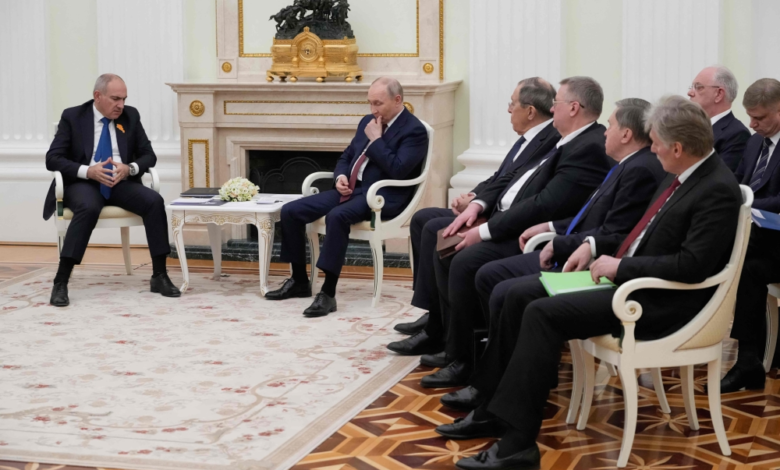
وخلال اجتماع ثنائي عقد في الكرملين يوم الأربعاء مع رئيس الوزراء الأرمني نيكول باشينيان، أوضح بوتين الموقف الروسي بوضوح قائلاً: “إن الانضمام إلى اتحاد جمركي مع كل من الاتحاد الأوروبي والاتحاد الاقتصادي الأوراسي في آن واحد هو أمر مستحيل، إنه مستحيل ببساطة بطبيعة الحال”. وأضاف الرئيس الروسي بنبرة تحمل رسائل سياسية مبطنة: “نحن نتفهم أن كل دولة تسعى إلى تحقيق أقصى استفادة ممكنة من تعاونها مع دول أخرى، ولكن يجب أن يكون ذلك واضحاً وصادقاً ومتفقاً عليه منذ البداية”.
السياق التاريخي: الاتحاد الأوراسي والاعتماد الاقتصادي
لفهم أبعاد هذا التحذير، يجب العودة إلى عام 2015، عندما اتخذت أرمينيا، وهي جمهورية سوفيتية سابقة تقع في منطقة القوقاز الاستراتيجية ويبلغ عدد سكانها نحو 2.7 مليون نسمة، قراراً بالانضمام إلى الاتحاد الاقتصادي الأوراسي. هذا التحالف الذي تهيمن عليه روسيا، تم تأسيسه ليكون نظيراً اقتصادياً للاتحاد الأوروبي، ويفرض على أعضائه سياسات جمركية وتجارية موحدة تمنعهم من الانخراط في تكتلات اقتصادية منافسة.
تاريخياً، ارتبطت أرمينيا بروسيا بعلاقات تحالف وثيقة، حيث تعتمد يريفان بشكل كبير على موسكو في مجالات الطاقة والاقتصاد، فضلاً عن الجانب الأمني. ولا تزال روسيا تحتفظ بقاعدة عسكرية ضخمة في مدينة غيومري الأرمنية، وتعتبر الضامن الأمني الرئيسي لأرمينيا ضمن منظمة معاهدة الأمن الجماعي.
جذور الخلاف: تداعيات صراع ناغورني قره باغ
على الرغم من هذا التحالف التاريخي، شهدت العلاقات بين موسكو ويريفان تدهوراً غير مسبوق وعداءً متزايداً منذ أكثر من عامين. ويعود السبب الجوهري لهذا الصدع إلى النزاع المسلح مع أذربيجان حول إقليم ناغورني قره باغ. فقد اتهمت الحكومة الأرمنية الكرملين وقوات حفظ السلام الروسية بالتخلي عنها وعدم تقديم الدعم العسكري والسياسي الكافي خلال حربي عامي 2020 و2023، مما أدى في النهاية إلى سيطرة أذربيجان الكاملة على الإقليم ونزوح عشرات الآلاف من الأرمن.
هذا الشعور بالخذلان دفع حكومة باشينيان إلى إعادة تقييم تحالفاتها الاستراتيجية، وبدأت في توجيه بوصلتها نحو الغرب، محاولة تعزيز علاقاتها مع الولايات المتحدة وفرنسا والاتحاد الأوروبي، في خطوة أثارت حفيظة صانع القرار في موسكو.
التوجه نحو الغرب والتحولات السياسية الداخلية
في إطار هذا التحول الاستراتيجي، شهدت الساحة السياسية الأرمنية تحركات تشريعية غير مسبوقة. فقد أقر البرلمان الأرمني مؤخراً تشريعات تهدف إلى تمهيد الطريق لبدء مفاوضات رسمية للانضمام إلى الاتحاد الأوروبي، وهو ما تعتبره موسكو تحدياً مباشراً لنفوذها التقليدي في منطقة القوقاز، ومحاولة غربية لتطويق روسيا من حدودها الجنوبية.
وعلى الصعيد الداخلي الأرمني، تتجه الأنظار نحو الانتخابات البرلمانية المقررة في شهر يونيو المقبل، والتي ستكون حاسمة في تحديد المسار الجيوسياسي للبلاد. وفي هذا السياق، أعرب بوتين عن أمله في أن تشارك الحركات السياسية والأحزاب المؤيدة لروسيا بقوة في هذه الانتخابات، في محاولة للحفاظ على موطئ قدم لموسكو في المشهد السياسي الأرمني. من جانبه، رد نيكول باشينيان بتأكيده على التزام بلاده بالمسار الديمقراطي قائلاً: “نرغب بشدة في أن تتمكن كل هذه الأحزاب السياسية والسياسيين من المشاركة بحرية في هذا العمل السياسي الداخلي خلال الانتخابات”.