
توترات داخل حلف الناتو بسبب غياب التشاور المسبق
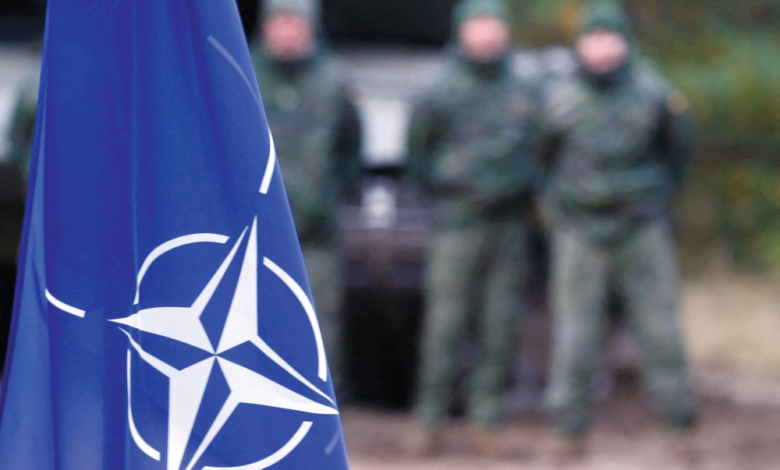
أثار تصريح مستشار رفيع للرئيس البولندي جدلاً واسعاً في الأوساط السياسية والدبلوماسية، بعد أن وجه انتقادات لاذعة للولايات المتحدة الأمريكية، معتبراً أنها أبدت “قلة احترام” لبقية الدول الأعضاء في حلف شمال الأطلسي (الناتو). جاء هذا الموقف على خلفية إعلان واشنطن الحرب على إيران دون إجراء مشاورات مسبقة مع حلفائها الاستراتيجيين، وهو ما يسلط الضوء على الفجوة المتزايدة بين القرارات الأمريكية الأحادية ومبدأ العمل الجماعي الذي بُني عليه الحلف منذ تأسيسه.
وأشار مارسين بجداتش، رئيس مكتب السياسة الدولية لدى الرئيس البولندي أندجيه دودا، إلى أن الوضع المتفجر في الشرق الأوسط، والذي نتج بالدرجة الأولى عن قرارات مشتركة بين إسرائيل والولايات المتحدة، كان يجب أن يكون موضوعاً لمشاورات مكثفة ومسبقة مع الحلفاء في إطار الناتو. وأكد في مقابلة مع إذاعة “زيت” الخاصة، أن التحالفات العابرة للأطلسي تتطلب حداً أدنى من الاحترام المتبادل، مما يقتضي إشراك الحلفاء في صنع القرار قبل اتخاذه، وليس اللجوء إليهم فقط عند تفاقم المشكلات وظهور التداعيات السلبية.
السياق التاريخي للعلاقات الأمريكية البولندية
تكتسب هذه التصريحات أهمية مضاعفة بالنظر إلى التقارب التاريخي والوثيق بين وارسو وواشنطن. فمنذ انضمام بولندا إلى حلف الناتو في عام 1999، تعتبر واحدة من أقوى حلفاء الولايات المتحدة في أوروبا الشرقية، وتستضيف الآلاف من القوات الأمريكية على أراضيها لتعزيز الجناح الشرقي للحلف. ورغم هذا التحالف العميق، تتعارض تصريحات بجداتش مع الخط العام المؤيد للرئيس الأمريكي السابق دونالد ترامب، والذي يتبناه الرئيس البولندي دودا.
وكان الرئيس البولندي قد أجرى زيارة هامة إلى الولايات المتحدة الأسبوع الماضي، حيث تفقد موقعاً لتجميع مقاتلات “إف – 35” المتطورة المخصصة لتعزيز القدرات الجوية لبلاده. وخلال كلمة ألقاها أمام تجمع للمحافظين الأمريكيين في ولاية تكساس، شدد دودا على أن الولايات المتحدة ليست مجرد حليف تقليدي، بل هي شريك يتقاسم مع بولندا نفس المُثل العليا والقيم الديمقراطية. وللتدليل على التزام بلاده، ذكّر دودا بأن 66 عسكرياً بولندياً فقدوا أرواحهم خلال العمليات العسكرية في العراق وأفغانستان، مشيراً أيضاً إلى أن دافعي الضرائب في بولندا يساهمون في تمويل جزء من تكاليف الوجود العسكري الأمريكي على أراضيهم.
تداعيات الأزمة ودعوات التضامن الغربي
على الصعيد الإقليمي والدولي، تبرز مخاوف أوروبية من أن يؤدي التصعيد في الشرق الأوسط إلى تداعيات أمنية واقتصادية تطال القارة العجوز. وفي هذا السياق، دعا بجداتش دول الحلف القادرة، وخاصة تلك التي تمتلك أساطيل بحرية ضخمة وقدرات عسكرية متقدمة، إلى تقديم الدعم السريع للحليف الأمريكي. وحذر من مغبة التخلي عن واشنطن قائلاً: “إذا لم نساعد نحن الأوروبيين، بصفتنا أقرب حلفاء الولايات المتحدة، فإننا سنواجه صعوبة بالغة لاحقاً في توقع دعمهم لنا في حال تعرضنا لأي تهديد أمني”.
انتقادات ترامب للحلفاء الأوروبيين
في المقابل، لم تخلُ الساحة من التوترات التي أججها دونالد ترامب، الذي وجه انتقادات حادة لعدد من الدول الأعضاء في الناتو، من بينها فرنسا وإسبانيا وإيطاليا. وجاءت هذه الانتقادات على خلفية رفض هذه الدول السماح بعبور الطائرات العسكرية أو استخدام قواعدها الجوية لنقل المعدات والأسلحة إلى إسرائيل، وذلك في إطار الحرب على إيران التي اندلعت شرارتها في 28 فبراير. يعكس هذا الموقف التباين الواضح في الرؤى بين واشنطن وبعض العواصم الأوروبية التي تفضل انتهاج مسارات دبلوماسية لتجنب حرب إقليمية شاملة قد تعصف باستقرار الشرق الأوسط وتؤثر على أمن الطاقة العالمي.