A firm US denial: The truth about the targeting of a warship in the Strait of Hormuz

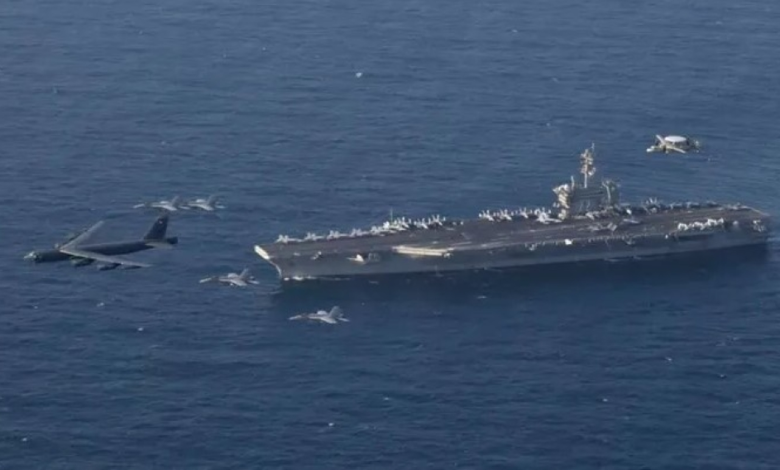
The U.S. Central Command (CENTCOM) categorically denied media reports claiming that a U.S. Navy ship had been attacked in the strategic Strait of Hormuz. In an official statement released across its platforms, CENTCOM confirmed that all its ships were operating safely and that none had been targeted, describing the reports as completely false.
This denial came in response to claims published by Iranian media outlets, which alleged an incident in the vital waterway. Such rumors are a recurring element in the information war raging in the region, as various parties seek to gain propaganda advantages or influence regional and international public opinion.
General context and strategic importance of the Strait of Hormuz
The Strait of Hormuz is one of the world's most important waterways, with approximately one-fifth of the world's daily oil consumption passing through it, making it a vital artery for the global energy economy. This waterway separates the Persian Gulf from the Gulf of Oman and controls shipping routes to and from oil-producing nations such as Saudi Arabia, the United Arab Emirates, Kuwait, Iraq, and Iran.
Historically, the Strait of Hormuz has been the scene of numerous tensions and confrontations, particularly between Iran and the United States. The region has witnessed frequent incidents over the decades, from the "Tanker War" during the Iran-Iraq War in the 1980s to the seizure of commercial vessels and skirmishes between Iranian speedboats and U.S. warships in recent years. This history of tension makes any report of a new incident, even an unconfirmed one, of paramount importance to global markets and policymakers.
Potential impacts at the regional and international levels
Any real escalation in the Strait of Hormuz would have serious repercussions far beyond the region. Economically, any disruption to shipping could lead to an immediate and sharp rise in global oil prices and increased marine insurance costs, negatively impacting the entire global economy.
On the geopolitical front, a confirmed attack on U.S. military assets could provoke a military response, threatening to ignite a wider conflict in the already volatile Gulf region. For this reason, the United States and its allies are keen to reaffirm their commitment to ensuring freedom of navigation and the security of international waterways by maintaining a robust naval presence and conducting regular patrols in the region to deter any potential threats and guarantee the uninterrupted flow of global energy.