
The impact of the US embargo on Iranian oil exports
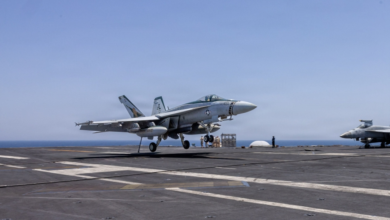
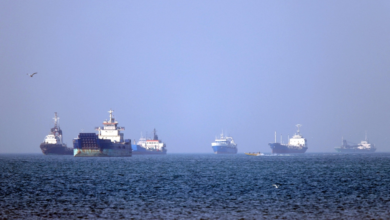
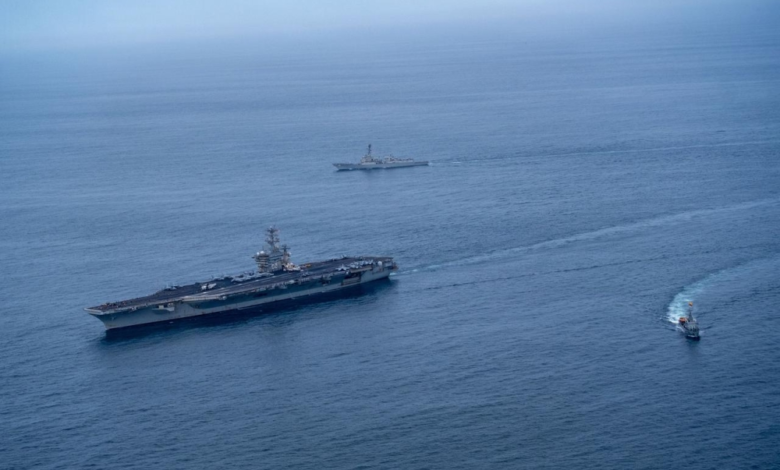
The US military announced that the embargo on Iran is highly effective, noting that 41 oil tankers carrying a total of 69 million barrels of Iranian crude oil are unable to sell their cargo on global markets. The military explained that these measures have prevented the Iranian regime from generating more than $6 billion in revenue, and confirmed that military operations are ongoing to disrupt maritime trade to and from Iranian ports. As part of these operations, a vessel attempting to breach the embargo was diverted, marking the 42nd such vessel to be intercepted.
Background to the “maximum pressure” policy
These developments come in the context of the “maximum pressure” campaign adopted by the previous US administration under President Donald Trump, which began after the United States withdrew from the nuclear agreement (Joint Comprehensive Plan of Action – JCPOA) in 2018. This policy aimed to force Tehran to renegotiate its nuclear program, curb its regional influence, and halt its ballistic missile development. The campaign included imposing crippling economic sanctions primarily targeting the oil and banking sectors, the lifeblood of the Iranian economy, effectively isolating Tehran from the global financial system and significantly reducing its oil export capacity.
Economic and geopolitical repercussions
Domestically, the sanctions have triggered a severe economic crisis in Iran, with the local currency (the rial) plummeting in value and inflation and unemployment soaring, exacerbating the suffering of ordinary citizens. Former US President Donald Trump famously declared that the Iranian economy was “collapsing” and that their currency had become “worthless” as a result of these pressures. Regionally, the maximum pressure campaign has escalated tensions in the Gulf region, particularly in the strategic Strait of Hormuz, which has witnessed tanker seizures and tit-for-tat attacks. Washington aims to curtail Iran’s ability to fund its proxies in the region through these measures. Internationally, this policy has created a rift between the United States and its European allies, who have sought to preserve the nuclear agreement, while simultaneously destabilizing global energy markets due to the volatility of Iranian oil supplies.
Conditional negotiations and firm statements
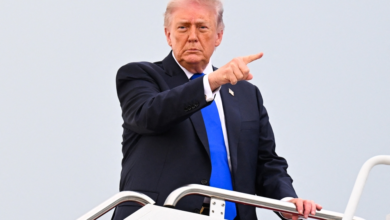
In a related context, former President Trump confirmed that his country is holding telephone talks with Iran, but that he prefers direct negotiations, emphasizing that any future agreement must guarantee that Iran does not possess nuclear weapons. He added, “Our situation in Iran is very good. We have destroyed more than 80% of their missile capabilities, and there are 159 Iranian ships on the seabed.” He reiterated his assertion that Iran will not possess nuclear weapons, noting that Tehran acquired light weapons during the ceasefire period and that their locations are known to the United States.