
In a significant development reflecting escalating geopolitical tensions in the Middle East, the US military announced it had successfully diverted 10 commercial vessels since the start of the strict naval blockade on Iranian ports. This escalation adds a new chapter to the long history of disputes concerning maritime security in the region.
Details of the naval blockade and the rerouting of ships
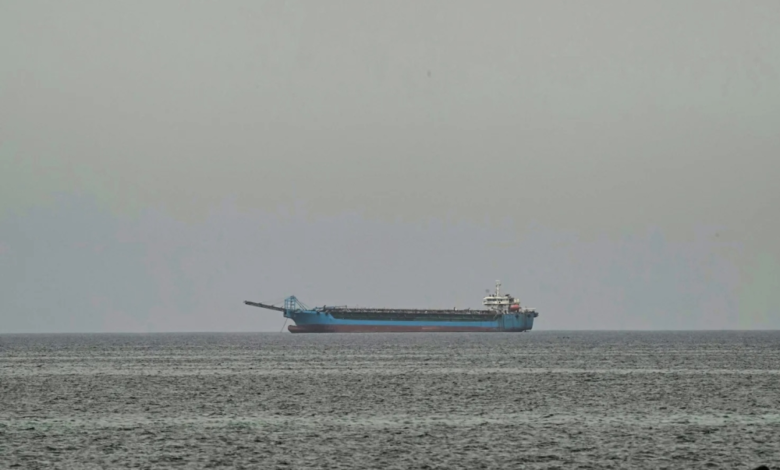
According to Al Arabiya's official X account, the US Central Command confirmed that no ship has yet managed to breach the security cordon and blockade. In a specific incident highlighting the strictness of the measures, an Iranian-flagged cargo ship attempted to circumvent the blockade after departing the strategic port of Bandar Abbas, but US forces intervened decisively and successfully forced it to change course completely.
Iranian response: Threats to expand the circle of conflict
In response, Tehran was quick to react to these moves, threatening to impose a counter-blockade of the Red Sea, despite not having a direct coastline on it. These threats come amidst strongly worded Iranian warnings that the continued US blockade of its ports could lead to the complete collapse of the ceasefire agreement in effect since April 8th.
In this context, the commander of the Iranian armed forces, General Ali Abdollahi, stated that the United States' continued naval blockade and the creation of uncertainty regarding the security of Iranian commercial vessels and oil tankers would constitute a de facto "prelude" to a breach of the ceasefire. In an official statement broadcast on state television, he added that the Iranian armed forces would not permit any exports or imports in the Persian Gulf, the Sea of Oman, or the Red Sea, emphasizing that his country would act decisively to defend its sovereignty and national interests.
Strategic importance and global economic impacts
These developments are of paramount importance given the historical context of the conflict. The Persian Gulf and the Strait of Hormuz are among the world's most vital waterways, through which a significant portion of global energy supplies pass. Imposing a naval blockade would not only impact the Iranian economy but also extend its reach to global oil markets, raising concerns about increased shipping insurance costs and disruptions to supply chains.
The repercussions of failed negotiations and the future of the region
The United States began enforcing this naval blockade on Monday, a direct result of the failure of diplomatic negotiations with Iran in Islamabad, Pakistan, on Saturday. Regionally and internationally, this escalation puts the entire region on edge, with the international community watching with grave concern the possibility of this tension turning into an open confrontation that could disrupt international shipping and cause unprecedented damage to the global economy.