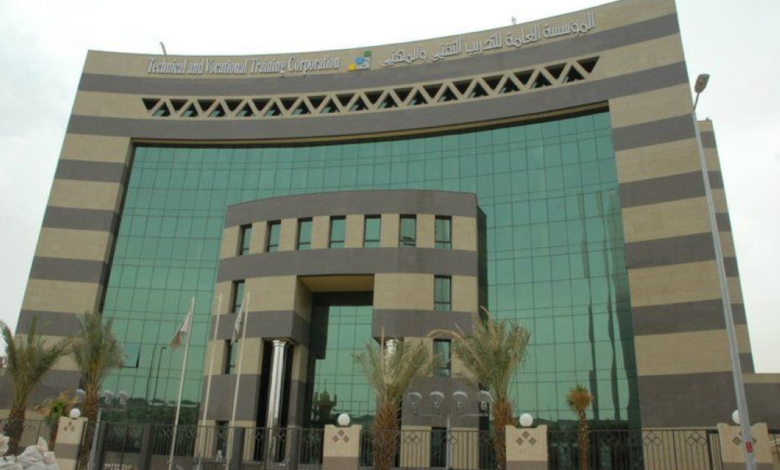

Details of the decision to suspend in-person training in Asir
The General Directorate of Technical and Vocational Training in the Asir region announced an important decision to suspend in-person training on Monday at all its training facilities, including technical colleges and industrial institutes for both male and female students. This proactive decision comes in response to reports and warnings from the National Center for Meteorology indicating unstable weather conditions that necessitate caution.
Seamless transition to e-learning platforms
In its commitment to ensuring the continuity of the educational and training process without interruption, the administration clarified that training will be conducted remotely via the approved "e-training" platform. This measure reflects the high level of preparedness of the General Organization for Technical and Vocational Training's digital infrastructure, which has proven its efficiency in handling various emergency situations, thus guaranteeing the safety of trainees, as well as the administrative and training staff.
General context: The geography of Asir and weather fluctuations
Considering the general context and historical background of such decisions, we find that the Asir region is characterized by its mountainous geography and rugged terrain, and is known for its climate, which experiences heavy rainfall and dense fog during certain periods of the year. Historically, educational and training institutions in Saudi Arabia, particularly in the mountainous and southern regions, have consistently made similar decisions to suspend in-person attendance as a precautionary measure. This proactive approach has been significantly strengthened in recent years, as government investments have accelerated the pace of digital transformation, making distance learning and training a strategic, readily available, and reliable option at any time.
The role of the National Center for Meteorology in protecting society
The National Center of Meteorology plays a pivotal role in this context, working around the clock to monitor climate changes and issue early warnings. Government agencies, including educational and training institutions, rely entirely on these accurate reports to make crucial decisions that prioritize the safety of citizens and residents, protecting them from the dangers of flash floods and reduced visibility on highways and secondary roads.
The importance and expected impact of the decision
Regarding the significance of this event and its anticipated impact, locally, this decision directly contributes to reducing traffic congestion in the streets of the Asir region during periods of inclement weather, thus decreasing the likelihood of traffic accidents and easing the burden on security forces and emergency response teams. Regionally and nationally, this measure underscores the Kingdom of Saudi Arabia's commitment to achieving the goals of Vision 2030, particularly concerning the development of digital infrastructure and the enhancement of quality of life. The ability to efficiently transition thousands of trainees to virtual platforms within a few hours demonstrates the strength and resilience of the Kingdom's technological systems and confirms that business and educational continuity are no longer affected by severe weather conditions as was the case in previous decades.