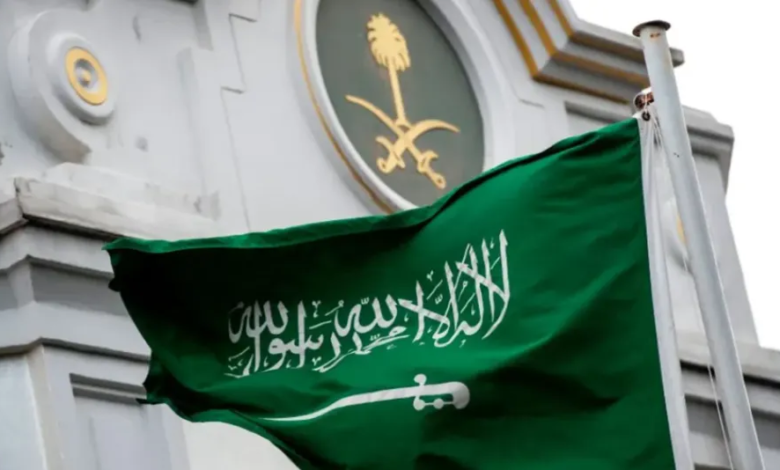
Saudi Arabia emphasizes the importance of the Nuclear Non-Proliferation Treaty

The Kingdom of Saudi Arabia reaffirmed its firm and principled position calling for the full and comprehensive implementation of the Treaty on the Non-Proliferation of Nuclear Weapons, considering it the cornerstone of the global security system and the only way to ensure a more secure and stable world, especially in the Middle East region, which faces increasing security challenges.
This affirmation comes in the context of the Kingdom’s ongoing diplomatic efforts in international forums, such as the Treaty Review Conferences and the periodic meetings of the International Atomic Energy Agency, with the aim of mobilizing international support to strengthen the non-proliferation regime and prevent a nuclear arms race that threatens regional and international peace and security.
Historical background and importance of the treaty
The Treaty on the Non-Proliferation of Nuclear Weapons (NPT), which entered into force in 1970, is a landmark international agreement aimed at preventing the spread of nuclear weapons and their manufacturing technologies, promoting cooperation in the peaceful uses of nuclear energy, and achieving nuclear disarmament. The treaty rests on three fundamental pillars: non-proliferation, disarmament, and the peaceful uses of nuclear energy. It has been ratified by 191 states, making it the most widely adopted arms control agreement in history.
Regional challenges and the Kingdom's position
Saudi Arabia’s firm stance stems from a deep understanding of the dangers surrounding the Middle East. The Kingdom has consistently called for a Middle East free of all weapons of mass destruction, a regional and Arab demand aimed at achieving equal security for all. The Kingdom views with concern the region’s opaque nuclear programs, which lack full oversight by the International Atomic Energy Agency, raising suspicions about their true objectives and increasing the likelihood of the region sliding into a destructive arms race.
In this context, Saudi Arabia stresses the need for all countries in the region, without exception, to join the treaty and subject all their nuclear facilities to the comprehensive safeguards system of the International Atomic Energy Agency, in a clear reference to the need to address the situation of Israel, which has not joined the treaty, and to deal firmly with any violations that may be committed by any other regional party.
Expected impact and international significance
The Kingdom’s consistent advocacy not only serves its national interests and regional security but also supports the global nuclear non-proliferation regime. Regionally, this stance contributes to diplomatic pressure to ensure all parties adhere to international standards and reduces the risk of miscalculation and future conflicts. Internationally, Saudi Arabia’s position, as a pivotal state in the Arab and Islamic worlds and a key player in the global energy market, lends additional impetus to international efforts to strengthen the treaty and ensure its effectiveness. This position underscores that security cannot be achieved through the possession of weapons of mass destruction, but rather through cooperation, adherence to international law, and building trust among nations.