
روسيا تؤكد التزامها بتأمين إمدادات الطاقة للصين
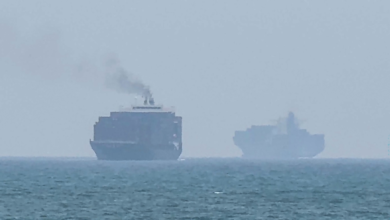
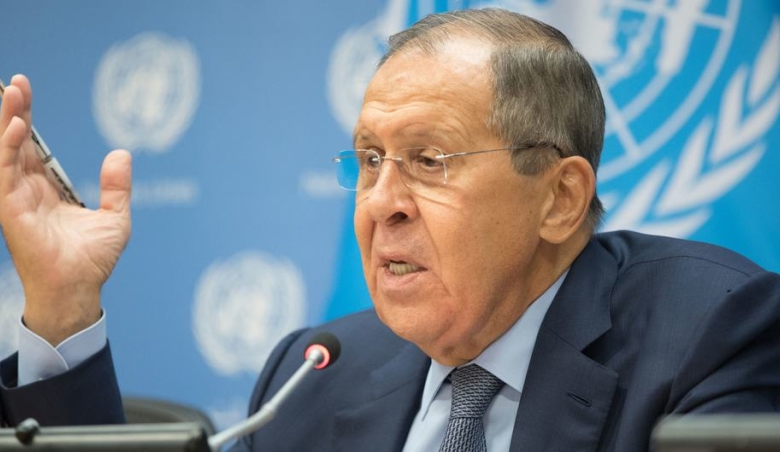
في خطوة تعكس عمق التحالف الاستراتيجي بين موسكو وبكين، أعلن وزير الخارجية الروسي سيرغي لافروف أن بلاده على أتم الاستعداد لتعويض أي نقص في موارد الطاقة قد تواجهه الصين أو أي دول أخرى مهتمة بالتعاون مع روسيا. وتأتي هذه التصريحات في ظل أزمة طاقة عالمية تلوح في الأفق بسبب استمرار الحرب والتوترات الجيوسياسية في منطقة الشرق الأوسط، والتي أثرت بشكل مباشر على سلاسل التوريد وحركة الملاحة البحرية العالمية.
وأكد لافروف خلال مؤتمر صحفي عقده في العاصمة الصينية بكين يوم الأربعاء، أن روسيا تمتلك القدرات والموارد اللازمة لضمان استقرار أسواق الطاقة للدول الصديقة، مشيراً إلى أن التعاون الروسي الصيني في هذا المجال يشهد نمواً غير مسبوق، ويعد ركيزة أساسية لاقتصادي البلدين.
الخلفية التاريخية: تحول بوصلة الطاقة الروسية نحو الشرق
تاريخياً، كانت القارة الأوروبية هي السوق الأكبر والأهم للطاقة الروسية. ولكن مع اندلاع الحرب الروسية الأوكرانية في أوائل عام 2022 وفرض العقوبات الغربية القاسية على موسكو، سارعت القيادة الروسية إلى تحويل بوصلة صادراتها من النفط والغاز نحو القارة الآسيوية، وعلى رأسها الصين والهند. وقد توطدت هذه الشراكة الاقتصادية من خلال مشاريع بنية تحتية ضخمة مثل خط أنابيب “قوة سيبيريا”، وزيادة الاعتماد على العملات المحلية في التبادلات التجارية، مما ساهم في تخفيف وطأة العقوبات على الاقتصاد الروسي وتأمين احتياجات الصين المتزايدة من الطاقة بأسعار تنافسية وموثوقية عالية.
انتقادات حادة للسياسات الأمريكية في آسيا
على الصعيد السياسي، لم يخلُ لقاء لافروف بالمسؤولين الصينيين من توجيه رسائل شديدة اللهجة للولايات المتحدة. فقد انتقد لافروف بشدة ما وصفه بـ “الألاعيب الشديدة الخطورة” التي تمارسها واشنطن في منطقة المحيطين الهندي والهادئ وآسيا بشكل عام. واتهم الولايات المتحدة بالسعي الحثيث لتأجيج التوترات الإقليمية من خلال بناء تحالفات عسكرية مصغرة، بهدف رئيسي يتمثل في احتواء النفوذ المتصاعد لكل من بكين وموسكو.
وتعكس هذه التصريحات توافقاً روسياً صينياً متيناً على ضرورة مواجهة الهيمنة الأمريكية، والعمل المشترك لتأسيس نظام عالمي متعدد الأقطاب يرفض سياسة الإملاءات والعقوبات الأحادية الجانب.
زيارة مرتقبة للرئيس بوتين وتأثيرات الحدث عالمياً
وفي سياق تعزيز العلاقات الثنائية، كشف وزير الخارجية الروسي أن الرئيس فلاديمير بوتين يعتزم إجراء زيارة رسمية إلى الصين خلال النصف الأول من العام الجاري. وتكتسب هذه الزيارة المرتقبة أهمية بالغة، حيث من المتوقع أن تشهد توقيع اتفاقيات استراتيجية جديدة تعمق من الشراكة “بلا حدود” التي أعلنها البلدان.
أما على الصعيدين الإقليمي والدولي، فإن هذا التقارب الروسي الصيني يحمل تداعيات كبرى. إقليمياً، يعزز من استقرار إمدادات الطاقة في آسيا ويقلل من تأثرها بصدمات الشرق الأوسط. ودولياً، يبعث برسالة واضحة للغرب مفادها أن سياسة العزل لم تنجح في تحجيم روسيا، بل دفعتها لبناء تحالفات أمتن مع قوى اقتصادية عظمى كالصين، مما يعيد تشكيل خارطة التحالفات الجيوسياسية والاقتصادية في العالم.