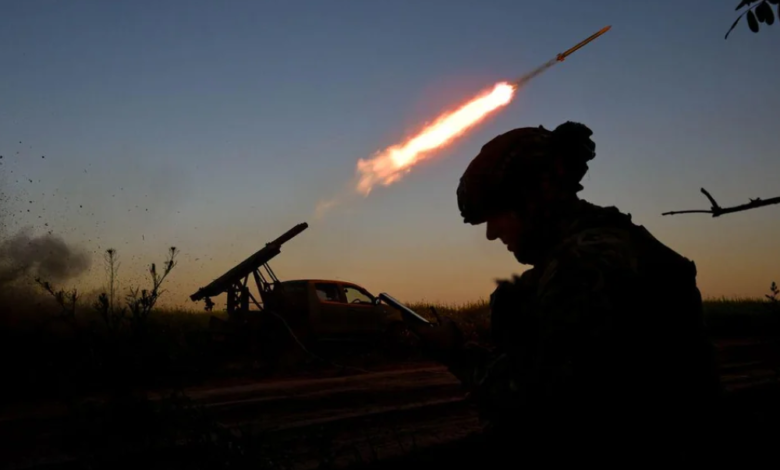

هدنتان منفصلتان في خضم حرب مستعرة
في تصعيد جديد يعكس عمق انعدام الثقة بين طرفي الصراع، أعلنت كل من روسيا وأوكرانيا عن هدنتين منفصلتين لوقف إطلاق النار، تزامنت مع احتفالات موسكو بـ “عيد النصر”. فبينما قدمت روسيا عرضها كبادرة مرتبطة بذكرى تاريخية، قابلته كييف بالرفض والتشكيك، معلنة عن ترتيباتها الخاصة، في مشهد يؤكد أن حتى محاولات التهدئة المؤقتة أصبحت جزءاً من الحرب الإعلامية والنفسية.
إعلان موسكو: هدنة مشروطة بتهديدات
أعلنت وزارة الدفاع الروسية عن وقف إطلاق نار من جانب واحد يومي 8 و9 مايو، وهي فترة تتزامن مع إحياء روسيا ذكرى انتصار الاتحاد السوفيتي على ألمانيا النازية في الحرب العالمية الثانية. وتعتبر هذه المناسبة، المعروفة بـ “عيد النصر”، حجر زاوية في الهوية الوطنية الروسية الحديثة، حيث تقيم موسكو عرضاً عسكرياً ضخماً في الساحة الحمراء. إلا أن هذه الهدنة لم تكن دعوة مفتوحة للسلام، بل جاءت مصحوبة بتهديد واضح؛ فقد حذرت موسكو من أنها ستشن “ضربة صاروخية انتقامية كبيرة” على العاصمة كييف في حال استغلت أوكرانيا هذه المناسبة لتنفيذ أي هجمات أو “استفزازات”.
رد كييف: تشكيك وهدنة مضادة
من جانبها، رفضت أوكرانيا العرض الروسي، معتبرة إياه مناورة دعائية. وفي منشور للرئيس الأوكراني فولوديمير زيلينسكي، أشار إلى أن كييف لم تتلق أي طلب رسمي يوضح آليات الهدنة المقترحة، ملمحاً إلى أن الخطوة الروسية تنبع من خشية موسكو من تحليق الطائرات الأوكرانية المسيّرة فوق الساحة الحمراء أثناء العرض العسكري. ورداً على ذلك، أعلنت كييف عن وقف إطلاق نار خاص بها يبدأ في وقت مبكر، مشددة على أن مطالبها بوقف شامل لإطلاق النار ليست جديدة، ولا ترتبط بالمناسبات العسكرية الروسية.
سياق الصراع وأهمية “عيد النصر”
تأتي هذه التطورات في سياق الحرب الروسية الأوكرانية التي اندلعت في فبراير 2022، والتي تعد بدورها تصعيداً للنزاع المستمر منذ عام 2014. لطالما كانت الهدنات المؤقتة، خاصة خلال الأعياد الدينية مثل عيد الميلاد وعيد الفصح الأرثوذكسي، سمة من سمات هذا الصراع، لكنها غالباً ما كانت هشة وشهدت انتهاكات متبادلة. يكتسب “عيد النصر” أهمية رمزية خاصة للكرملين، الذي يستخدمه لتعزيز الشعور الوطني وحشد الدعم الشعبي للحرب، مما يجعل أي تهديد للاحتفالات أمراً شديد الحساسية بالنسبة لموسكو.
التأثيرات المتوقعة على الصعيدين المحلي والدولي
على الصعيد المحلي، لا يُتوقع أن تغير هذه الهدنات غير المنسقة من الواقع الميداني بشكل كبير، لكنها تزيد من حالة عدم اليقين لدى المدنيين في مناطق القتال. أما على الصعيد الدولي، فإن هذا التراشق بالهدنات والتهديدات يبرز غياب أي أفق حقيقي للمفاوضات الدبلوماسية الجادة. كما يعكس فشل الجهود الدولية في التوصل إلى وقف دائم لإطلاق النار، ويؤكد أن كلا الطرفين لا يزالان يراهنان على الحل العسكري، مما ينذر باستمرار الصراع وتداعياته على الأمن الإقليمي واستقرار أسواق الطاقة والغذاء العالمية.