UN warning: Closing the Strait of Hormuz threatens a global humanitarian crisis

UN warns of catastrophic humanitarian consequences
A senior UN official has sounded the alarm, warning of a widespread humanitarian crisis that could engulf the world if an immediate solution is not found to ensure the continued flow of navigation through the Strait of Hormuz. Jorge Moreira da Silva, Executive Director of the United Nations Office for Project Services (UNOPS), emphasized that any disruption to the movement of fertilizers and related raw materials through this vital waterway would have dire consequences for global food security, particularly as the planting season begins in many parts of the world.
Da Silva, who heads the UN working group on the issue, explained that the disruption to shipping in the strait is already affecting global fertilizer supply chains. He noted that the disruption to the flow of essential raw materials for fertilizer production, such as urea, ammonia, and sulfur, will have a direct and immediate impact on agricultural productivity and hunger levels, threatening to exacerbate the current global food crisis.
The strategic importance of the Strait of Hormuz
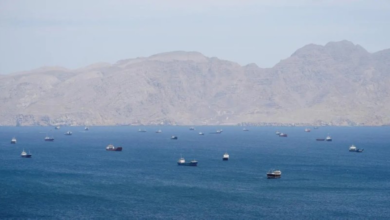
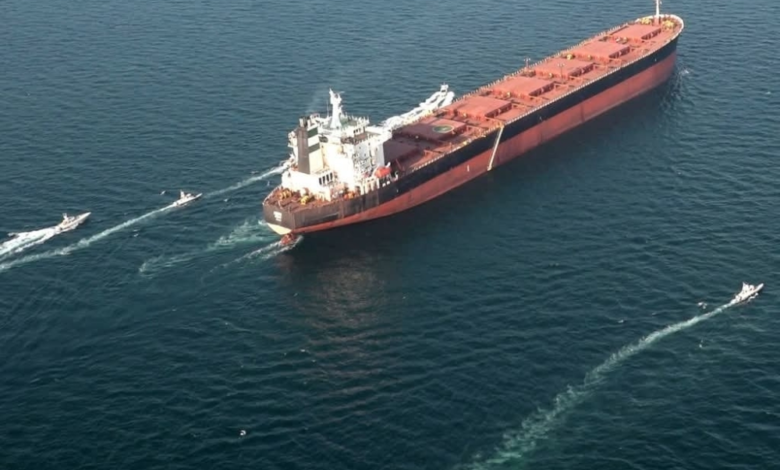
The Strait of Hormuz is one of the world's most important waterways, connecting the Persian Gulf, the Gulf of Oman, and the Arabian Sea. It is the only maritime outlet for several oil and gas producing countries in the region, such as Kuwait, Iraq, and Qatar. Historically, the strait has held immense strategic importance, as approximately one-fifth of the world's oil consumption passes through it, in addition to vast quantities of liquefied natural gas, making it a pivotal point for the stability of global energy markets. The strait has long been a stage for geopolitical tensions, with threats of closure serving as leverage in regional and international conflicts, raising persistent concerns about the stability of global trade.
Effects that extend beyond the region
Any closure or disruption to shipping in the Strait of Hormuz would not only affect the countries of the region but would also impact the entire global economy. Economically, a halt in oil supplies would lead to a dramatic price increase, driving up energy and transportation costs and fueling global inflation. On the humanitarian front, as highlighted by the UN warning, the greatest danger lies in the disruption of fertilizer trade, a third of which passes through the strait. This disruption would mean a sharp decline in agricultural yields in countries that rely on fertilizer imports, driving up food prices and pushing millions of people to the brink of famine, particularly in developing countries in Africa and Asia.
Urgent UN efforts to avert disaster
In response to these risks, the UN official stated that UN Secretary-General António Guterres has established a specialized task force to develop a mechanism to ensure the safe passage of fertilizers and raw materials. This mechanism is based on building trust among the parties involved through registration, coordination, monitoring, and verification processes. Da Silva emphasized that this mechanism could be operational within just seven days, provided the necessary political will and approval are in place. He warned that any delay in action could exacerbate the hunger crisis, as it is estimated that an additional 45 million people could face acute food insecurity if the disruptions in the Strait of Hormuz continue.