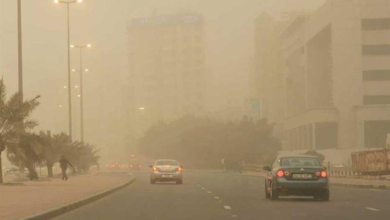

Important weather forecasts for the coming months in the Kingdom
The National Center for Meteorology in Saudi Arabia has released its comprehensive climate report for the period from April to June, which includes important indicators regarding expected weather conditions. According to the report, several regions in the Kingdom will experience rainfall ranging from heavy to unusually heavy, coinciding with a noticeable rise in temperatures. These forecasts come at a time when the world is witnessing significant climate changes that are impacting traditional weather patterns in the region.
April weather details: Unusually heavy rainfall
The National Center for Meteorology explained that April will witness a significant increase in the probability of rainfall exceeding the normal average. These forecasts include the northern and eastern regions of Tabuk, the eastern and southern parts of Medina, as well as Mecca, Asir, and Al-Jawf (excluding the eastern parts). The forecasts also include Hail (excluding the eastern part), Al-Qassim, the Northern Borders, Riyadh, Najran (excluding the eastern part), the Eastern Province (excluding the southern part), Al-Baha, Jazan, and the southwestern coastal strip of the Kingdom.
The center warned that the intensity of the rains may range between heavy and very heavy, and may reach unusual levels, especially in the Jazan and Asir regions, while rainfall amounts are expected to be around their normal average in the rest of the regions.
May and June forecast: Rainy weather to continue
With the arrival of May, the center indicated that above-average rainfall would continue in the regions of Asir, Jazan, Al-Baha, and western Najran, in addition to southern and parts of eastern Makkah, and parts of western and central Riyadh. The intensity of this rainfall would range from heavy to very heavy. In June, the likelihood of above-average rainfall would be concentrated in Jazan, western Asir, western Al-Baha, and southern and western Makkah, with intensity ranging from light to moderate, while the remaining regions would experience rainfall within normal averages.
High temperatures and their effects
Regarding temperatures, the National Center for Meteorology forecasts a rise in average temperatures above normal in most regions of the Kingdom, with varying degrees of increase. The maximum increase is expected to reach approximately one degree Celsius in parts of northern Eastern Province, the Northern Borders region, Al-Jawf, northern Madinah, Hail region (excluding its southern and western parts), and Tabuk region (excluding its western parts).
Historical context and climate change
Historically, the Arabian Peninsula has been known for its arid desert climate, but recent years have witnessed a significant increase in extreme rainfall events during the spring and early summer. This shift is attributed to global climate change and the impacts of major weather phenomena that are reshaping rainfall and temperature distribution in the Middle East, making these forecasts part of a new climate pattern that requires ongoing study and monitoring.
Importance and expected impact locally and regionally
These forecasts have far-reaching implications. Locally, the heavy rainfall will contribute to bolstering the Kingdom's strategic water reserves and replenishing dams and groundwater, positively impacting the agricultural sector and supporting the goals of the "Saudi Green Initiative" to increase vegetation cover and combat desertification. Conversely, these unusual weather conditions necessitate heightened readiness of infrastructure, with relevant authorities, such as the Civil Defense, proactively implementing emergency plans to ensure the safety of lives and property and maintain transportation.
In conclusion, these forecasts come as part of the National Center of Meteorology’s ongoing efforts to provide accurate seasonal climate information, calling on everyone to follow its periodic reports and updates through its official channels to ensure public safety.