The Gulf Cooperation Council: We will not accept holding the region's stability hostage to chaos

A firm stance from the Gulf Cooperation Council regarding the security of the region
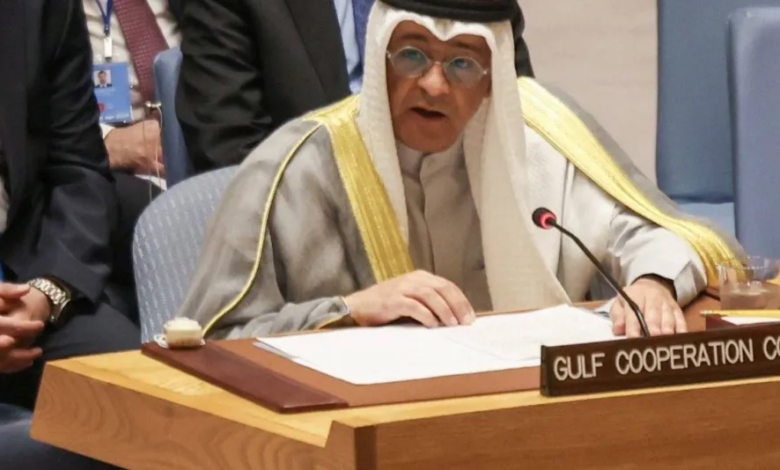
The Gulf Cooperation Council (GCC) reaffirmed its firm and unwavering stance of categorically rejecting any attempts to destabilize regional security, emphasizing a clear message: “We will not accept that the stability of our region be held hostage to chaos.” This resolute position comes amidst the rapidly evolving geopolitical challenges facing the Middle East, which necessitate concerted efforts and joint coordination to safeguard national achievements and secure the future of the Gulf and Arab peoples.
Historical context: The establishment of the council as a bastion of security
Since its establishment in 1981, the Gulf Cooperation Council (GCC) has been guided by the fundamental vision of its founding leaders to create a strong regional bloc capable of addressing security and political challenges. Its establishment came at a critical juncture marked by widespread regional turmoil, and since then, the Council has demonstrated its ability to navigate numerous regional and international crises. The Gulf states have consistently pursued rational and balanced policies, prioritizing dialogue and diplomacy over military escalation, while maintaining their legitimate right to defend their sovereignty and national security against any external interference or threats from non-state actors.
Current challenges and confronting chaos
Currently, the Middle East faces complex challenges, including armed conflicts, threats to maritime navigation, and escalating extremism. In this context, the Gulf states' statements rejecting the subordination of the region's future to agendas of chaos are particularly significant. The GCC countries fully understand that regional security is indivisible, and that any instability in a neighboring state inevitably impacts the security system as a whole. Therefore, Gulf efforts continue to support peace initiatives, whether in Yemen, Sudan, or regarding the Palestinian issue, which remains the central cause for the Arab world.
Importance and impact: locally, regionally, and internationally
This firm Gulf stance carries far-reaching implications and effects on several levels:
- At the local level: Security stability provides a fertile environment for the continuation of ambitious development plans, such as “Saudi Vision 2030” and other Gulf visions that aim to diversify the economy, attract foreign investments and improve the quality of life for citizens.
- At the regional level, the Gulf Cooperation Council (GCC) serves as a safety valve and a key element of stability in the Middle East. By rejecting chaos, the Council sends a reassuring message to its allies and partners in the Arab world, affirming its support for national state institutions and its rejection of armed militias and foreign interference.
- At the international level, the stability of the Gulf region impacts not only its own countries but also the entire global economy. The Gulf is a vital artery for global energy supplies, and any threat to its security poses a direct threat to energy security and international trade. Therefore, the international community views the Gulf's position as a crucial factor in maintaining international peace and security.
Summary of the Gulf position
In conclusion, the Gulf Cooperation Council demonstrates day after day that regional stability is not merely a political choice, but an existential necessity and a red line that cannot be crossed. The Gulf states' commitment to joint action and continuous coordination reflects a profound awareness of the magnitude of the challenges and affirms to the world that the region will not be dragged into chaos, but will remain a beacon of development, peace, and prosperity amidst a turbulent environment.