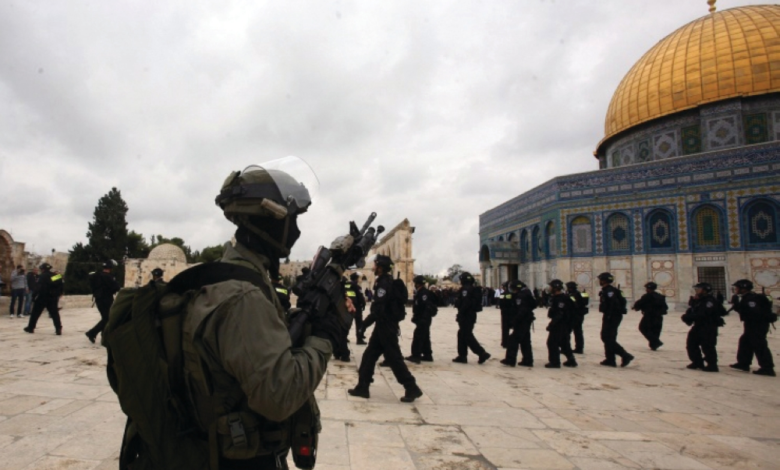

في تطور دبلوماسي بارز يعكس القلق الإقليمي والدولي المتزايد، أصدرت المملكة العربية السعودية إلى جانب سبع دول عربية وإسلامية بياناً مشتركاً شديد اللهجة، تدين فيه بشدة الانتهاكات الإسرائيلية المستمرة التي تستهدف حرية العبادة في القدس المحتلة.
موقف دولي موحد ضد تقييد الشعائر الدينية
تضم قائمة الدول الموقعة على البيان كلاً من المملكة العربية السعودية، جمهورية مصر العربية، المملكة الأردنية الهاشمية، دولة قطر، دولة الإمارات العربية المتحدة، بالإضافة إلى جمهورية تركيا، جمهورية إندونيسيا، وجمهورية باكستان الإسلامية. وقد عبرت وزارات خارجية هذه الدول عن رفضها القاطع للقيود الممنهجة التي تفرضها سلطات الاحتلال الإسرائيلي على المصلين من المسلمين والمسيحيين على حد سواء.
وأشار البيان إلى سلسلة من الإجراءات التعسفية، أبرزها منع المصلين المسلمين من الوصول بحرية إلى المسجد الأقصى المبارك (الحرم القدسي الشريف)، وإغلاق أبوابه أمامهم لمدة 30 يوماً متتالية، وهو ما تزامن بشكل خطير مع شهر رمضان المبارك. ولم تقتصر الانتهاكات على المسلمين فحسب، بل شملت التضييق على المسيحيين، حيث تم منع بطريرك اللاتين في القدس وحارس الأراضي المقدسة من دخول كنيسة القيامة لإقامة قداس أحد الشعانين، مما يعد سابقة خطيرة في تقييد ممارسة الشعائر الدينية.
الوضع التاريخي والقانوني في القدس المحتلة
تمثل مدينة القدس ببعديها الإسلامي والمسيحي مركزاً روحياً عالمياً. ومنذ احتلال القدس الشرقية عام 1967، ينص القانون الدولي على ضرورة الحفاظ على الوضع التاريخي والقانوني القائم (Status Quo) للمقدسات. وفي هذا السياق، شدد الوزراء على أن المسجد الأقصى المبارك، بكامل مساحته البالغة 144 دونماً، هو مكان عبادة خالص للمسلمين.
كما أعادوا التأكيد على الدور المحوري لإدارة أوقاف القدس وشؤون المسجد الأقصى، التابعة لوزارة الأوقاف والشؤون والمقدسات الإسلامية الأردنية، بصفتها الجهة القانونية الوحيدة صاحبة الاختصاص الحصري في إدارة شؤون الحرم القدسي وتنظيم الدخول إليه، وذلك استناداً إلى الوصاية الهاشمية التاريخية المعترف بها دولياً على المقدسات.
تداعيات الانتهاكات الإسرائيلية ومخالفة القانون الدولي
اعتبرت الدول الثماني في بيانها أن هذه الممارسات الإسرائيلية تشكل انتهاكاً صارخاً للقانون الدولي، وتحديداً القانون الدولي الإنساني واتفاقيات جنيف التي تضمن حرية العبادة وحماية المدنيين في الأراضي الواقعة تحت الاحتلال. إن استمرار إسرائيل، بصفتها القوة القائمة بالاحتلال، في فرض هذه القيود يمثل تعدياً على الحق غير المقيد في الوصول إلى أماكن العبادة.
على الصعيد الإقليمي، حذرت الدول من أن هذه الإجراءات التصعيدية واستفزاز مشاعر ملايين المسلمين والمسيحيين حول العالم من شأنه أن يغذي التوترات، مما ينعكس سلباً على السلم والأمن الإقليميين والدوليين. إن محاولات تغيير الهوية الدينية والتاريخية للمدينة المقدسة تنسف جهود السلام وتقوض مبدأ حل الدولتين.
دعوة عاجلة للمجتمع الدولي
في ختام البيان، وجهت الدول نداءً عاجلاً للمجتمع الدولي ومؤسساته الأممية، مطالبة باتخاذ موقف حازم وجاد يُلزم إسرائيل بالوقف الفوري لجميع انتهاكاتها وممارساتها غير القانونية بحق المقدسات الإسلامية والمسيحية. كما طالبت بإزالة كافة القيود المفروضة على الوصول إلى البلدة القديمة في القدس، والامتناع عن عرقلة وصول المصلين، مؤكدة بشكل قاطع أنه لا سيادة للاحتلال الإسرائيلي على القدس المحتلة ومقدساتها.