
تصريحات البيت الأبيض حول تكلفة الحرب ضد إيران
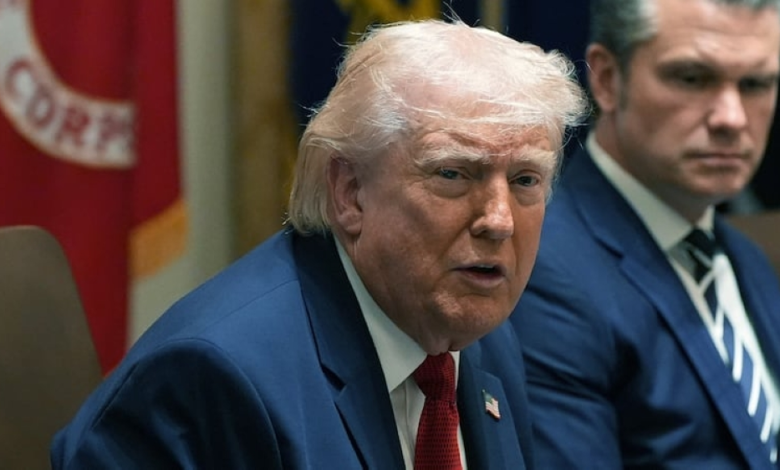
في تطور سياسي بارز يعكس توجهات الإدارة الأمريكية، كشف البيت الأبيض عن تفاصيل جديدة تتعلق بالسياسة الخارجية للولايات المتحدة في منطقة الشرق الأوسط. وأفادت تقارير رسمية يوم الاثنين بأن الرئيس الأمريكي دونالد ترامب يبدي اهتماماً كبيراً بإمكانية إسهام الدول العربية في تغطية تكلفة الحرب ضد إيران في حال اندلاع نزاع عسكري مباشر. وقد جاءت هذه التصريحات لتسلط الضوء على استراتيجية واشنطن في التعامل مع الملف الإيراني الشائك.
تفاصيل الموقف الأمريكي الرسمي
أكدت الناطقة باسم البيت الأبيض، كارولاين ليفيت، خلال مؤتمر صحافي عقد مؤخراً، أن مسألة تمويل أي عمل عسكري محتمل هي أمر يبدي الرئيس الأمريكي اهتماماً كبيراً بفعله. وأضافت ليفيت في معرض ردها على سؤال طرحه أحد الصحافيين حول الجهة التي ستدفع تكلفة هذه الحرب وما إذا كانت الدول العربية ستساهم فيها، قائلة: “لن أستبق ما سيقوله الرئيس، لكنني أعلم أنها فكرة موجودة لديه، وموضوع سيتحدث عنه بالتأكيد بمزيد من التفصيل في المستقبل القريب”.
السياق التاريخي لسياسة ترامب تجاه طهران
لفهم هذا التوجه، يجب النظر إلى السياق التاريخي لسياسة ترامب الخارجية. فمنذ ولايته الأولى، تبنى ترامب سياسة “الضغط الأقصى” ضد طهران، والتي توجت بانسحاب الولايات المتحدة الأحادي من الاتفاق النووي الإيراني (خطة العمل الشاملة المشتركة) في عام 2018. كما أعادت إدارته فرض عقوبات اقتصادية قاسية استهدفت قطاعات حيوية مثل النفط والمصارف. وتنسجم فكرة مطالبة الحلفاء بالمساهمة المالية مع عقيدة ترامب السياسية المعروفة بـ “أمريكا أولاً”، حيث طالما حث حلفاء واشنطن، سواء في حلف شمال الأطلسي (الناتو) أو في الشرق الأوسط وآسيا، على تحمل جزء أكبر من الأعباء المالية للدفاع والأمن المشترك.
الأهمية الاستراتيجية والتداعيات الإقليمية والدولية
يحمل هذا الإعلان أهمية بالغة وتداعيات معقدة على المستويات المحلية والإقليمية والدولية. على الصعيد الإقليمي، تسعى الدول العربية، وخاصة دول الخليج، إلى الحفاظ على الاستقرار الأمني لضمان استمرار خططها التنموية والاقتصادية الطموحة. اندلاع أي حرب في المنطقة قد يؤدي إلى زعزعة هذا الاستقرار، خاصة مع التهديدات المستمرة باستهداف البنية التحتية الحيوية مثل آبار النفط أو إغلاق مضيق هرمز الاستراتيجي، الذي يمر عبره خُمس استهلاك العالم من النفط.
التأثير المتوقع على أسواق الطاقة العالمية
على الصعيد الدولي، يثير التلويح بضرب منشآت حيوية إيرانية، مثل جزيرة خارك التي تعد العصب الرئيسي لصادرات النفط الإيرانية، مخاوف جدية من تحليق أسعار المحروقات عالمياً. إن أي تصعيد عسكري واسع النطاق لن تقتصر تكلفته على النفقات العسكرية المباشرة فحسب، بل سيمتد ليشمل موجات تضخم عالمية وركوداً اقتصادياً محتملاً، مما يجعل مسألة تكلفة الحرب ضد إيران قضية تتجاوز التمويل العسكري لتشمل الأمن الاقتصادي العالمي بأسره.