King Abdulaziz University: 19,000 graduates and updated job specializations for 2030

A strategic transformation at King Abdulaziz University to keep pace with the future
In a pioneering move reflecting the commitment of Saudi Arabia's higher education institutions to keeping pace with global developments, King Abdulaziz University in Jeddah has unveiled a comprehensive and radical transformation of its academic curricula. This transformation aims to integrate artificial intelligence technologies across various disciplines, preparing approximately 19,000 graduates annually for future jobs that are not yet fully defined. These efforts are a direct response to the evolving demands of the labor market and align with the objectives of Saudi Vision 2030, which prioritizes human capital development.
Historical context and alignment of the national vision
Since its founding in 1967, King Abdulaziz University has played a pivotal role in graduating national talent that has contributed to building the modern state. With the launch of Saudi Vision 2030 in 2016, the urgent need to restructure the education sector to align with the Fourth Industrial Revolution became apparent. In this context, the Human Capital Development Program is one of the Vision's most important initiatives, focusing on preparing globally competitive citizens. The university's current initiative is a practical implementation of this program, aiming to bridge the gap between educational outcomes and the actual needs of the local and international labor market, thereby strengthening the Kingdom's position as a regional hub for innovation and technology.
The 13th Career Forum: A Bridge Between Education and the Labor Market
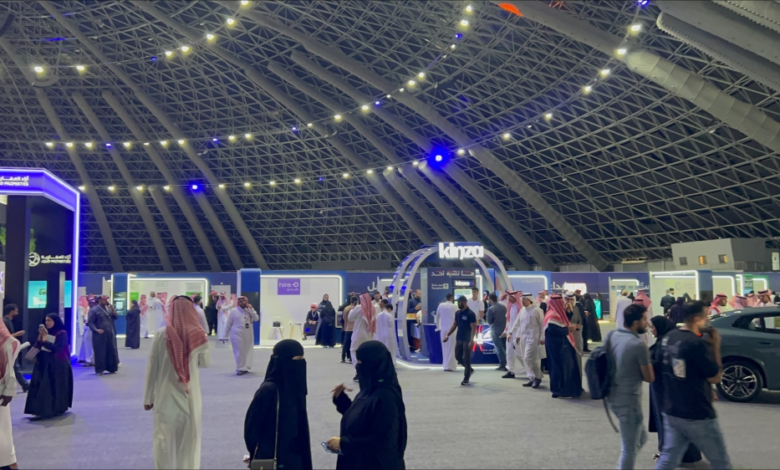
These strategic announcements were made on the sidelines of the 13th Career Forum, which was held under the patronage of His Royal Highness Prince Khalid Al-Faisal, Advisor to the Custodian of the Two Holy Mosques and Governor of Makkah Region. The forum witnessed a remarkable turnout, reflecting the event's significance, attracting over 40,000 students. It also featured the participation of 90 leading companies and 60 expert speakers who delivered 29 workshops, providing a unique interactive platform to connect students with current and future job opportunities.
Complete change and innovative study plans
Professor Hani Bardisi, Director of the Center for University Education Development, emphasized in his statements to Al-Youm newspaper a crucial scientific and economic fact: 60% of the jobs expected in 2030 do not yet exist. This significant reality necessitates a comprehensive overhaul to prepare graduates for global competition. Bardisi explained that the university has initiated the formation of specialized advisory committees comprised of experts from the industry and commerce sectors to update the curricula. The ultimate goal is to cultivate Saudi citizens equipped with the tools for excellence and leadership.
In an unprecedented proactive move, the university has integrated artificial intelligence courses into all academic disciplines without exception. In addition, a mandatory course on job market skills has been introduced, aimed at developing students' leadership, critical thinking, and teamwork abilities. Dr. Bardisi noted that traditional disciplines such as medicine, engineering, and law will not disappear, but will instead be technologically reshaped to keep pace with the times. He cited the cybersecurity sector as an example, which has transformed from a purely technical field into a vital, independent discipline governed by employment guidelines and comprehensive regulatory bodies.
Empowering women and specialized fields to support development
Regarding women's empowerment, a key pillar of Vision 2030, the center's director revealed the university's full commitment to empowering female students in specialized fields that were previously exclusively male, such as marine studies, earth sciences, and advanced engineering disciplines. This approach not only supports equal opportunities but also infuses vital sectors with new, qualified talent that contributes to comprehensive national development.
Expected impact locally, regionally, and internationally
Graduating 19,000 graduates annually, equipped with artificial intelligence and 21st-century skills, will have a tangible economic and social impact. Locally, it will contribute to reducing unemployment rates and increasing Saudization in advanced technology sectors. Regionally, it will reinforce the Kingdom's leadership as the largest digital economy in the Middle East. Internationally, these steps will elevate King Abdulaziz University's global ranking and ensure its graduates are highly sought after in the global market, guaranteeing their readiness to meet the rapidly evolving demands of the job market.