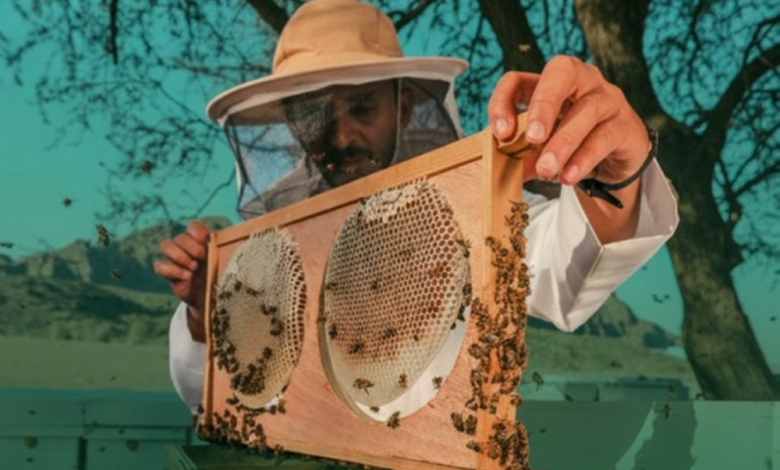

أعلن برنامج التنمية الريفية الزراعية المستدامة “ريف السعودية” عن إنجاز استراتيجي جديد يهدف إلى تعزيز قطاع إنتاج العسل في المملكة، وذلك باكتمال خمسة مشاريع تنموية متخصصة في تربية ملكات النحل وإنتاج الطرود، بتكلفة إجمالية تتجاوز 38.2 مليون ريال. تأتي هذه الخطوة الهامة في إطار الجهود الوطنية لتحقيق الاكتفاء الذاتي ودعم منظومة الأمن الغذائي، تماشياً مع مستهدفات رؤية السعودية 2030.
خلفية تاريخية وأهمية قطاع العسل في المملكة
تتمتع المملكة العربية السعودية بتاريخ عريق في تربية النحل وإنتاج العسل، خاصة في المناطق الجبلية مثل عسير والباحة والطائف، حيث تنمو أشجار السدر والطلح والسمر التي ينتج منها أجود أنواع العسل عالمياً. ولطالما كان العسل جزءاً لا يتجزأ من الثقافة والتراث المحلي، سواء كغذاء أو كعلاج. ومع ذلك، اعتمد القطاع لفترة طويلة على الأساليب التقليدية. تهدف المبادرات الحديثة، مثل مشاريع “ريف السعودية”، إلى نقل هذا القطاع الحيوي إلى مرحلة جديدة من النمو عبر إدخال التقنيات الحديثة، وحماية السلالات المحلية، ورفع الكفاءة الإنتاجية، وتحويله من نشاط تقليدي إلى صناعة مستدامة ذات عوائد اقتصادية وبيئية كبيرة.
تفاصيل المشاريع وتوزيعها الجغرافي
أوضح المتحدث الرسمي لبرنامج “ريف السعودية”، ماجد البريكان، أن هذه المحطات الخمس المتطورة قد تم توزيعها بعناية في مناطق استراتيجية تشمل عسير، وجازان، والمدينة المنورة، وحائل، وتبوك. وأكد أن العمل جارٍ على قدم وساق لتنفيذ مشروعين مماثلين في منطقتي نجران والطائف، بالإضافة إلى استكمال الأعمال الإنشائية في محطة ملكات النحل بمحافظة بلجرشي. يهدف هذا التوزيع الجغرافي إلى خدمة أكبر عدد ممكن من النحالين في مختلف أنحاء المملكة، مع مراعاة التنوع البيئي والمناخي لكل منطقة.
الأثر المتوقع على المستويين المحلي والوطني
من المتوقع أن تُحدث هذه المشاريع نقلة نوعية في قطاع العسل السعودي. فعلى الصعيد المحلي، ستوفر دعماً مباشراً لصغار المنتجين والنحالين من خلال تزويدهم بملكات نحل عالية الجودة وطرود نحل متكيفة مع البيئة المحلية، مما يساهم في زيادة إنتاجهم وتحسين جودة منتجاتهم. كما ستسهم في حماية السلالات المحلية من النحل، التي تتميز بقدرتها على التكيف مع الظروف المناخية للمنطقة، وهو أمر بالغ الأهمية للحفاظ على التنوع البيولوجي. أما على المستوى الوطني، فإن زيادة الإنتاج المحلي ستقلل من الاعتماد على الاستيراد، وتعزز الأمن الغذائي، وتخلق فرص عمل جديدة ومستدامة في المناطق الريفية. بالإضافة إلى ذلك، يلعب النحل دوراً حيوياً في تلقيح المحاصيل الزراعية، مما يعني أن ازدهار قطاع تربية النحل سيدعم بشكل غير مباشر إنتاجية القطاعات الزراعية الأخرى.
مستقبل واعد لصناعة العسل السعودية
تُعد هذه الاستثمارات جزءاً من استراتيجية أوسع يتبناها برنامج “ريف السعودية” لتمكين النحالين وتطوير الصناعات المرتبطة بمنتجات النحل. من خلال إنشاء مراكز متخصصة للإنتاج والتدريب، تسعى المملكة ليس فقط لتحقيق الاكتفاء الذاتي من العسل، بل أيضاً لترسيخ مكانتها كمنتج رائد للعسل عالي الجودة على المستويين الإقليمي والدولي، مستفيدة من سمعة العسل السعودي الفاخر مثل عسل السدر. وتمثل هذه المبادرات خطوة ثابتة نحو تحقيق زراعة مستدامة واقتصاد ريفي مزدهر.