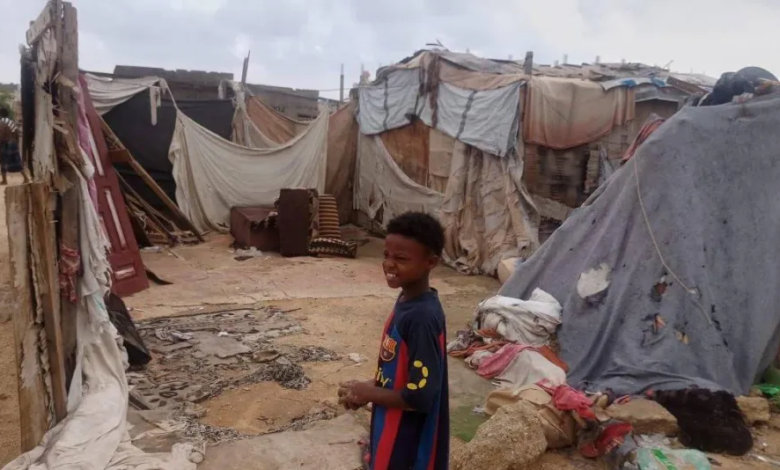

أعربت منظمات الأمم المتحدة ووكالات الإغاثة الدولية عن قلقها البالغ إزاء التوقعات بهطول أمطار موسمية غزيرة وغير اعتيادية على مناطق واسعة من اليمن خلال الفترة المقبلة، محذرة من أن هذه الظروف الجوية القاسية قد تؤدي إلى فيضانات وسيول مدمرة، مما يهدد بتعميق الأزمة الإنسانية التي تعد الأسوأ في العالم.
سياق مناخي وإنساني معقد
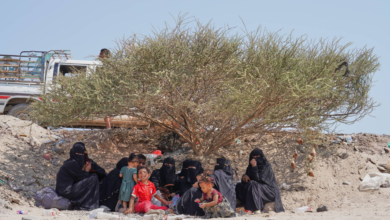
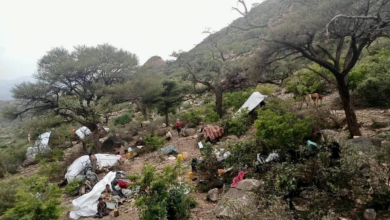
يأتي هذا التحذير في وقت يعاني فيه اليمن بالفعل من تداعيات سنوات طويلة من الصراع المدمر الذي أدى إلى انهيار البنية التحتية الحيوية، بما في ذلك شبكات الصرف الصحي والسدود وأنظمة إدارة المياه. تاريخياً، شهدت اليمن العديد من الكوارث الطبيعية المرتبطة بالسيول، لكن وتيرة وشدة هذه الظواهر قد ازدادت في السنوات الأخيرة، وهو ما يربطه الخبراء بالتغيرات المناخية العالمية. فالموقع الجغرافي لليمن وتضاريسه المتنوعة يجعلانها عرضة بشكل خاص للسيول المفاجئة التي تجتاح الوديان والمناطق المنخفضة، حيث تتركز العديد من المخيمات العشوائية للنازحين داخلياً.
تأثيرات متوقعة على المستويات كافة
على المستوى المحلي، تشكل هذه الأمطار تهديداً مباشراً لحياة الملايين، خاصة النازحين الذين يعيشون في مآوٍ مؤقتة لا تقوى على الصمود أمام الرياح العاتية والمياه الجارفة. ومن المتوقع أن تؤدي الفيضانات إلى تدمير المنازل والأراضي الزراعية، التي تمثل مصدر الرزق الوحيد لآلاف الأسر، مما يفاقم من أزمة انعدام الأمن الغذائي الحادة. كما أن تلوث مصادر المياه جراء الفيضانات يفتح الباب أمام تفشي الأمراض المنقولة بالمياه، وعلى رأسها الكوليرا التي شهد اليمن موجات وبائية قاتلة منها في السابق.
أما على الصعيدين الإقليمي والدولي، فإن تفاقم الكارثة في اليمن يضع ضغوطاً إضافية على جهود الإغاثة الدولية التي تعاني أصلاً من نقص حاد في التمويل. وستحتاج وكالات الأمم المتحدة، مثل برنامج الأغذية العالمي ومنظمة الصحة العالمية، إلى تعزيز استجابتها الطارئة وتوفير المساعدات العاجلة من غذاء ومأوى ورعاية صحية لمئات الآلاف من المتضررين المحتملين. إن تداخل أزمة المناخ مع الصراع يخلق وضعاً إنسانياً كارثياً يتطلب استجابة دولية منسقة وعاجلة لمنع وقوع المزيد من الوفيات والمعاناة.
وتعمل الفرق الميدانية التابعة للأمم المتحدة وشركاؤها المحليون على تكثيف حملات التوعية في المجتمعات الأكثر عرضة للخطر، وتوزيع حزم المساعدات الأساسية، ومحاولة تعزيز قدرة البنية التحتية الهشة على الصمود، لكن حجم التحدي يفوق بكثير القدرات المتاحة حالياً على الأرض.