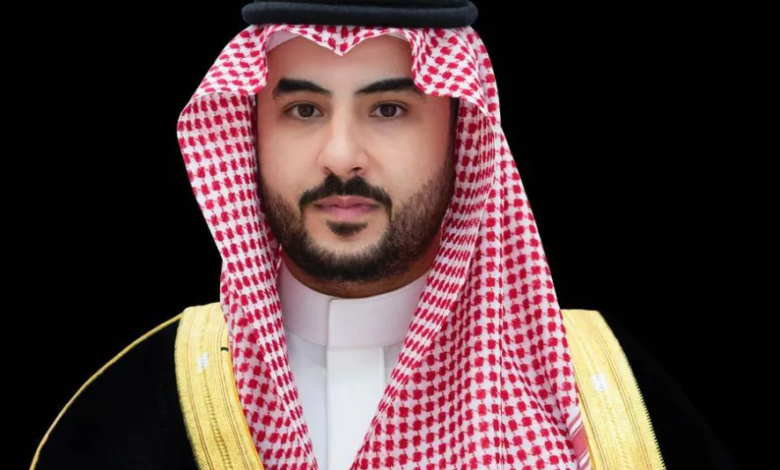
The Saudi Defense Minister and his Hungarian counterpart discuss regional developments

Strategic talks between Saudi Arabia and Hungary
His Royal Highness Prince Khalid bin Salman bin Abdulaziz, the Saudi Minister of Defense, held official talks with his Hungarian counterpart, Kristof Szalai-Bobronecszky, focusing on ways to enhance bilateral cooperation in the military and defense fields. They also discussed key regional and international developments and their implications. This meeting reflects the Kingdom of Saudi Arabia's commitment to strengthening its international partnerships and expanding cooperation with friendly nations in a manner that serves international peace and security.
General context and history of Saudi-Hungarian relations
Relations between the Kingdom of Saudi Arabia and Hungary are characterized by continuous development and steady growth across various fields, including political, economic, and defense sectors. Diplomatic ties between the two countries extend back decades, with recent years witnessing active diplomatic engagement and high-level reciprocal visits aimed at deepening the strategic partnership. Hungary views Saudi Arabia as a major regional power and a center of political and economic influence in the Middle East, while Riyadh sees Budapest as an important European partner with whom it can collaborate on technology transfer and the exchange of military expertise, in line with the objectives of Saudi Vision 2030, which seeks to localize military industries and develop national defense capabilities.
Discussing the repercussions of developments in the region
The rapid developments in the Middle East dominated the discussions between the two defense ministers. They reviewed the repercussions of current events, particularly the security tensions affecting international navigation in the Red Sea, and the efforts underway to de-escalate tensions and establish peace. Both sides emphasized the importance of concerted international efforts to address these challenges wisely and prevent the region from sliding into wider conflicts that could threaten global security. They also discussed the importance of supporting peace initiatives and diplomatic solutions to the current crises, reflecting a shared vision on the necessity of establishing the foundations for regional stability.
Strategic importance and expected impact
This meeting is of great strategic importance on several levels:
- At the local level: The meeting contributes to strengthening the defense capabilities of the Kingdom of Saudi Arabia by opening new horizons for military cooperation, joint training, and exchange of experiences with Hungary, which supports the Saudi Ministry of Defense’s efforts in modernization and continuous development.
- At the regional level, this diplomatic move underscores the Kingdom's leading and pivotal role in guiding efforts to de-escalate tensions and maintain security in the Middle East. Coordination with European countries like Hungary strengthens regional positions advocating for stability and respect for national sovereignty.
- At the international level: As an active member of the European Union and NATO, Hungary's enhanced cooperation represents a crucial bridge between the Middle East and Europe. Furthermore, the region's security is closely linked to European and global security, particularly with regard to ensuring the security of energy supplies and the safety of international waterways.
Prospects for future cooperation
At the conclusion of the talks, both sides reaffirmed their commitment to continued joint efforts and to elevating bilateral relations to broader levels. The coming period is expected to witness increased security and defense coordination between Riyadh and Budapest, and the signing of memoranda of understanding that will contribute to institutionalizing this cooperation. These ongoing meetings clearly reflect the Kingdom of Saudi Arabia's strategy of building a broad network of international alliances and partnerships that safeguard its national interests and contribute effectively to global stability.