
في إطار الاستعدادات المكثفة لموسم الحج، أعلنت وزارة الشؤون الإسلامية والدعوة والإرشاد في المملكة العربية السعودية عن اكتمال تهيئة وتجهيز أكثر من 20 ألف مسجد وجامع في مكة المكرمة والمدينة المنورة والمشاعر المقدسة، بالإضافة إلى المواقيت والطرق التي يسلكها الحجاج، بهدف تقديم أرقى الخدمات لضيوف الرحمن وتمكينهم من أداء مناسكهم بيسر وطمأنينة.
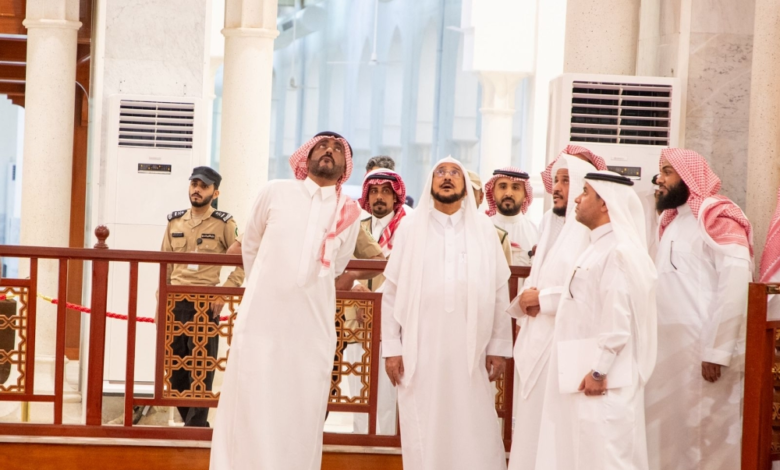
جاء هذا الإعلان عقب جولة ميدانية تفقدية قام بها معالي وزير الشؤون الإسلامية والدعوة والإرشاد، المشرف العام على أعمال الوزارة بالحج والعمرة والزيارة، الشيخ الدكتور عبداللطيف بن عبدالعزيز آل الشيخ. وشملت الجولة الوقوف على جاهزية المساجد الرئيسية في المشاعر المقدسة، مثل مسجد نمرة في عرفات، ومسجد المشعر الحرام بمزدلفة، ومسجد الخيف في منى، والتي تشهد كثافة عالية من الحجاج خلال أيام المناسك.
خلفية تاريخية وأهمية خدمة الحجيج
تولي المملكة العربية السعودية، منذ تأسيسها، أهمية قصوى لخدمة الحرمين الشريفين ورعاية قاصديهما من الحجاج والمعتمرين والزوار. وتعتبر هذه الخدمة شرفًا ومسؤولية تاريخية، حيث تتطور الخدمات المقدمة عامًا بعد عام لتواكب الزيادة المستمرة في أعداد الحجاج وتلبية احتياجاتهم المتغيرة. وتأتي هذه الجهود السنوية كجزء من منظومة عمل متكاملة تشارك فيها كافة قطاعات الدولة، لضمان نجاح موسم الحج الذي يعد أكبر تجمع إسلامي سنوي في العالم، ويحمل رمزية دينية عميقة لدى أكثر من ملياري مسلم حول العالم.
تجهيزات متكاملة وخدمات نوعية
أوضح الوزير آل الشيخ أن التجهيزات لم تقتصر على النظافة والصيانة الدورية، بل شملت تحديث وتطوير كافة المرافق لضمان راحة الحجاج. تم فحص وصيانة أنظمة التكييف والصوتيات والإضاءة، وتوفير خدمات السقيا، وتطبيق أعلى معايير السلامة العامة. كما تم التركيز على المشاريع النوعية التي تهدف إلى تحسين تجربة الحاج، ومن أبرزها مشاريع خفض الحمل الحراري وتلطيف الهواء في ساحات المساجد بالمشاعر المقدسة، والتي تسهم بشكل كبير في التخفيف من وطأة حرارة الطقس على ضيوف الرحمن.
التأثير المحلي والدولي لنجاح موسم الحج
إن نجاح إدارة وتنظيم موسم الحج له أبعاد تتجاوز الحدود المحلية، فهو يعزز مكانة المملكة كقائدة للعالم الإسلامي ويؤكد على قدرتها التنظيمية واللوجستية الفائقة في إدارة الحشود المليونية. وعلى الصعيد الدولي، يعكس نجاح الموسم الصورة الحضارية للمملكة والتزامها بخدمة الإسلام والمسلمين. كما يمثل هذا الحدث فرصة لتعزيز الروابط الإنسانية والثقافية بين الشعوب الإسلامية، حيث يجتمع المسلمون من مختلف الجنسيات والثقافات في مكان واحد لأداء فريضة دينية عظيمة.
جهود دعوية وتقنية لدعم الحجاج
إلى جانب التجهيزات المادية، سخّرت الوزارة إمكاناتها البشرية والتقنية لخدمة الحجاج. حيث تم اعتماد أكثر من 160 ألف منشط دعوي ينفذها 1822 داعية و220 مترجمًا، وتوزيع ما يزيد عن 1.4 مليون مادة توعوية بـ 27 لغة عالمية. كما تم توفير ما يقارب مليوني نسخة من المصحف الشريف وتراجم معاني القرآن الكريم بأكثر من 80 لغة. وتقنيًا، تم توفير خدمة الواي فاي، وتفعيل الشاشات التفاعلية والمكتبة الإلكترونية وتطبيق “رشد” لتقديم إرشادات متكاملة للحجاج بلغات متعددة، مما يجسد حرص المملكة على الاستفادة من التقنيات الحديثة في خدمة ضيوف الرحمن.
وفي ختام تصريحه، رفع معالي الوزير شكره وتقديره لخادم الحرمين الشريفين الملك سلمان بن عبدالعزيز آل سعود، ولصاحب السمو الملكي الأمير محمد بن سلمان بن عبدالعزيز آل سعود ولي العهد رئيس مجلس الوزراء، على دعمهما ورعايتهما المستمرة لكل ما من شأنه خدمة الإسلام والمسلمين وتوفير أقصى درجات الراحة لحجاج بيت الله الحرام.