
Introduction to the health requirements for Hajj 1447
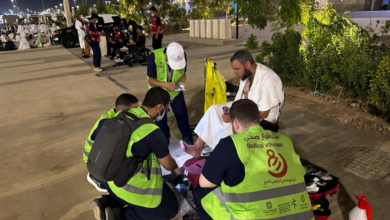
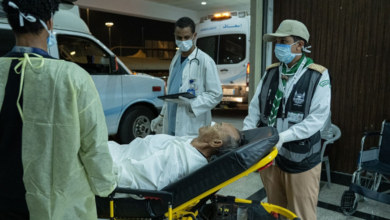
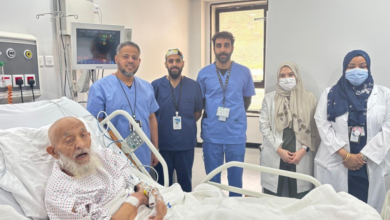
As part of early preparations to ensure the safety of pilgrims, the Saudi Public Health Authority (Weqaya) announced the health requirements for Hajj 1447 AH (corresponding to 2026 CE). These guidelines apply to all travelers arriving in the Kingdom of Saudi Arabia to perform Hajj, as well as those working in the holy sites of Makkah, Madinah, Jeddah, and Taif. These measures aim to define health requirements, mandatory vaccinations, and preventative guidelines to ensure a safe and epidemic-free Hajj season.
The historical context of the Kingdom's efforts in providing healthcare for pilgrims
Historically, Saudi Arabia has placed great importance on the health of pilgrims, as the Hajj, which draws millions of people, is one of the largest human gatherings in the world. Over the decades, the Saudi Ministry of Health and relevant authorities, such as the Public Health Authority, have developed rigorous protocols to address health challenges, drawing on past experiences in managing global health crises such as the COVID-19 pandemic and Middle East Respiratory Syndrome Coronavirus (MERS-CoV). This ongoing development reflects the Kingdom's commitment to providing a safe and healthy environment that prevents the spread of infectious diseases and ensures the safe return of pilgrims to their home countries.
The importance of health requirements and their local and international impact
are The health requirements for Hajj 1447 of paramount importance on several levels. Locally, these measures contribute to protecting the Saudi healthcare system from excessive strain and ensuring the safety of citizens and residents. Regionally and internationally, these requirements play a crucial role in global health security, preventing the cross-border transmission of infectious diseases as millions of pilgrims return home, thus making these measures the first line of defense against global pandemics.
Conditions for health capacity and excluded diseases
The Ministry of Health clarified that the minimum health requirement stipulates that pilgrims must be free from illnesses that would impede the performance of the rituals or affect their general health. The requirements included excluding the following categories:
- Patients with advanced organ failure, such as kidney failure requiring dialysis, and heart failure accompanied by symptoms with minimal exertion.
- Those suffering from chronic lung diseases that require the use of oxygen, and advanced liver cirrhosis.
- Severe neurological and psychiatric diseases that impair perception or movement, and cases of aging accompanied by dementia.
- Pregnant women in the last three months or those suffering from high-risk pregnancies.
- Those suffering from active infectious diseases such as open pulmonary tuberculosis and hemorrhagic fevers.
- Patients with active cancer who are receiving chemotherapy or immunosuppressive drugs.
Mandatory vaccinations for Hajj 1447
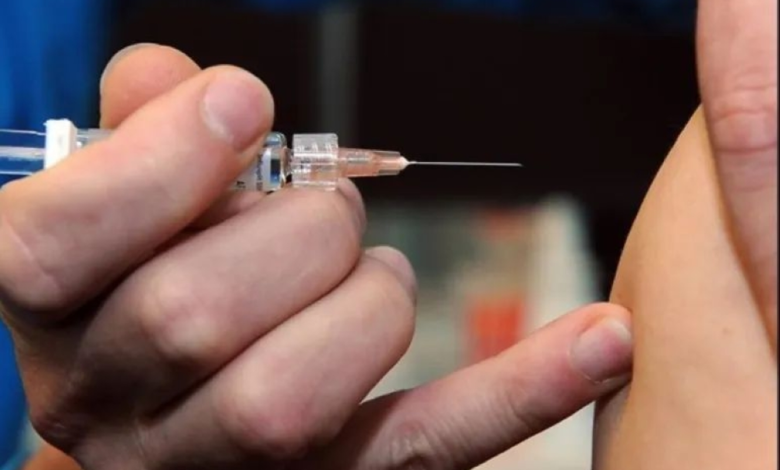
To ensure prevention, the authority mandated that all pilgrims and workers receive a range of vaccines, most notably:
- Meningococcal vaccine: Must be obtained at least 10 days before travel. Its shelf life ranges from 3 to 5 years depending on the type of vaccine.
- COVID-19 vaccine: An updated dose for the 2025-2026 season is required, or completion of previous basic doses, or proof of recovery during 2025.
- Polio and yellow fever vaccination: It is mandatory for those arriving from countries that are endemic or designated by the World Health Organization, according to specific age groups and time periods.
Preventive guidelines and food safety
The guidelines emphasized the importance of personal hygiene, such as washing hands regularly, using tissues when coughing, and wearing masks in crowded places. They also recommended avoiding contact with camels on farms to prevent respiratory illnesses and stressed the importance of getting the seasonal flu vaccine.
Regarding food safety, the guidelines stipulate the need to cook food thoroughly, wash fruits and vegetables, avoid unpasteurized milk and raw meat, and refrain from consuming damaged canned goods. To prevent heat stress, it is advised to avoid direct sunlight, drink plenty of fluids, and consult a doctor if using diuretics.
The documented form and health certificate
Finally, to ensure compliance with these standards, the Authority adopted an official form for the health fitness certificate. This form must be completed by the treating physician in the pilgrim's country of origin and certified by the relevant health authorities and Hajj affairs offices, serving as official proof that the pilgrim is free from disqualifying diseases and has received the required vaccinations.