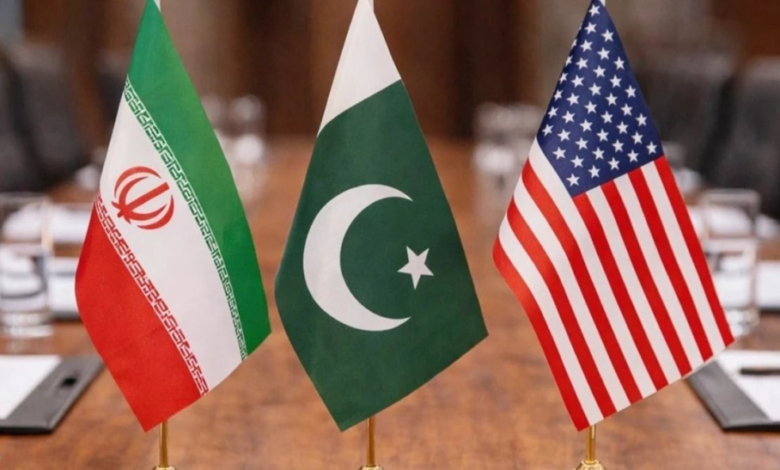

Talks between Washington and Tehran remain deadlocked
A senior Pakistani diplomat confirmed a “real stalemate” in negotiations between the United States and Iran, indicating that resuming dialogue and achieving any progress necessarily requires tangible concessions from both sides. In remarks carried by Al Arabiya, the diplomat explained that the pace of progress in the talks is “very slow,” and that the main obstacle from Tehran’s perspective is the “siege,” referring to the stringent economic sanctions imposed by Washington, which the latter continues to maintain.
He added that Pakistan, given its relations with both sides, is seeking to play a mediating role, attempting to persuade Iran to return to the negotiating table in Islamabad to de-escalate tensions. However, Tehran has insisted that lifting sanctions is a prerequisite for any serious dialogue. The diplomat concluded by emphasizing that the talks have not yet been officially canceled, but are effectively stalled and lack the necessary momentum to achieve a breakthrough.
Background to the crisis: From the nuclear agreement to the policy of maximum pressure
The current tensions stem from former US President Donald Trump's 2018 decision to unilaterally withdraw from the Joint Comprehensive Plan of Action (JCPOA), commonly known as the Iran nuclear deal, which was signed in 2015 between Iran and the P5+1 group of nations. Following the withdrawal, Washington reimposed harsh economic sanctions on Tehran as part of a strategy dubbed the "maximum pressure campaign," aimed at forcing Iran to negotiate a new agreement with stricter parameters, including its missile program and regional policies. This prompted Iran to gradually reduce its compliance with the agreement, further complicating the situation and raising concerns among international powers.
Regional and international repercussions and escalation in vital shipping lanes
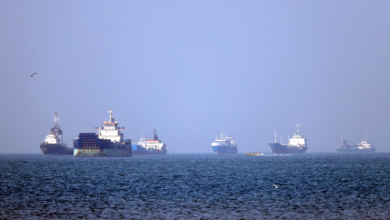
This stalemate has not only impacted bilateral relations but has also posed a threat to regional and international stability. Tensions have escalated particularly in the Arabian Gulf region, specifically in the Strait of Hormuz, a vital waterway through which approximately one-fifth of the world's oil supply passes. In this context, President Trump's statements ordering the US Navy to destroy any Iranian boats that might threaten American ships have raised the risk of direct military confrontation. Trump has repeatedly asserted that the economic sanctions imposed on Iranian ports are a more effective tool of pressure on the Iranian regime than military action, indicating that Washington will continue this policy until a "good deal" is reached that serves the interests of the American people and their allies in the region.