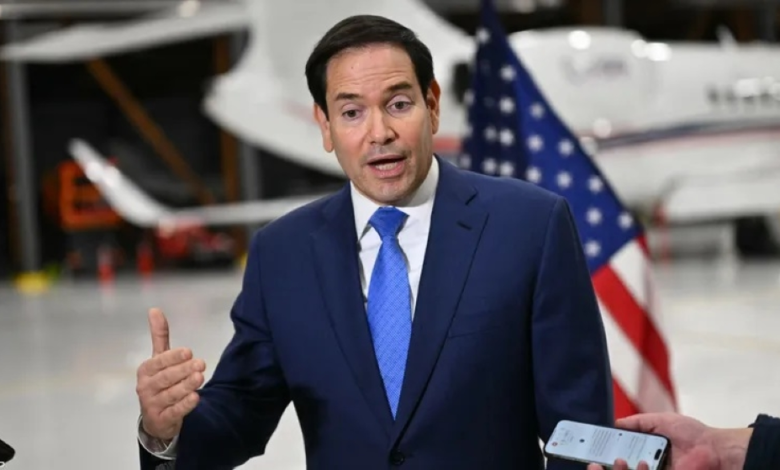

Strong statements from the US senator
Prominent US Senator Marco Rubio accused Iran of exploiting its geographical location to control the Strait of Hormuz, describing this control as an “economic nuclear weapon” aimed at the entire world. In remarks reported by Al Arabiya, Rubio emphasized that Iran deliberately uses this vital waterway as leverage, boasting of its ability to hold global energy supplies hostage to achieve its political objectives.
The strategic importance of the Strait of Hormuz
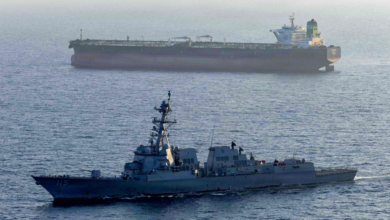
The Strait of Hormuz is one of the world's most important waterways, with approximately one-fifth of the world's daily oil consumption passing through it. Connecting the Persian Gulf to the Gulf of Oman, and from there to the Arabian Sea and the Indian Ocean, the strait is a vital artery for the economies of major industrialized nations such as China, Japan, India, European countries, and the United States. Any disruption to navigation in this strait, even for a brief period, could lead to an immediate and sharp rise in global oil prices, threatening to shock the entire global economy.
Historical background of tensions
Historically, this is not the first time Iran has brandished the threat of closing the Strait of Hormuz. During the Iran-Iraq War in the 1980s, the region witnessed what became known as the "Tanker War," in which both Tehran and Baghdad targeted oil tankers belonging to the other side and its allies. Since then, Iranian threats to close the strait have resurfaced whenever tensions with the United States and the international community escalate, particularly concerning its nuclear program and the economic sanctions imposed upon it. These threats serve as a deterrent, demonstrating Iran's capacity to inflict significant economic damage on its adversaries.
Doubts about the seriousness of the negotiations
Rubio expressed deep skepticism about the seriousness of the Iranian negotiating team, noting that the Iranian negotiators lack the necessary authority to make decisive decisions and are forced to return to Tehran to determine what they can offer—a situation he described as a “major obstacle” to any progress. He added, “We have questions about whether those who made the latest Iranian offer have the authority to implement it.” Rubio emphasized that the fundamental, non-negotiable issue is preventing Iran from acquiring a nuclear weapon under any circumstances.
Potential impacts on regional and international stability
Turning the Strait of Hormuz into a battleground would not only have economic repercussions but would also destabilize the entire Middle East. The Gulf states, which rely almost entirely on the strait for their oil and gas exports, would be the hardest hit. Furthermore, any military action in the strait could provoke a broad international intervention, led by the United States, whose Fifth Fleet is based in Bahrain to protect freedom of navigation in these strategic waters. This could open the door to a large-scale military confrontation with grave consequences for international peace and security.
US administration position
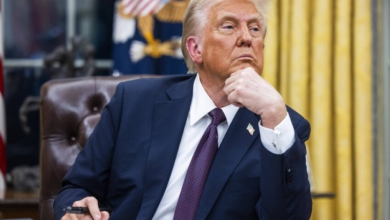
Rubio's remarks come amid heightened tensions, with press reports citing US officials indicating that former President Donald Trump was frustrated by the Iranian delegation's failure to offer substantial concessions on the nuclear issue. According to The New York Times, Trump was determined to extract clear nuclear concessions, deeming the Iranian offers insufficient. Reports suggest that some of his advisors at the time proposed maintaining maximum pressure by tightening the blockade on Iranian ports, reflecting a hardline US strategy aimed at forcing Tehran to capitulate.