
سياسة الغموض المتعمد: ترامب يترك الباب مفتوحاً أمام كل الخيارات مع إيران
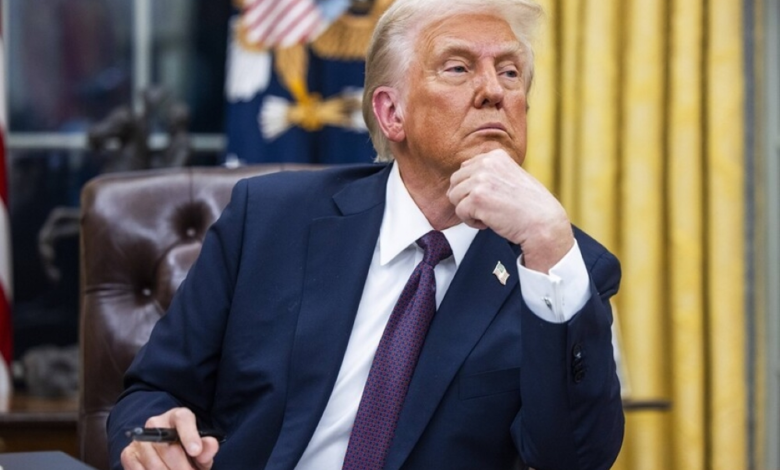
في تصريح يعكس استراتيجيته المعهودة القائمة على الغموض وعدم اليقين، رفض الرئيس الأمريكي السابق دونالد ترامب الكشف عن نواياه المستقبلية تجاه إيران، تاركاً العالم في حيرة بشأن ما إذا كانت إدارته، في حال عودته للسلطة، ستتجه نحو مسار المفاوضات الدبلوماسية أم ستختار خيار المواجهة العسكرية. هذا الموقف، الذي نقلته مصادر إعلامية عن منصة “أكسيوس”، يؤجج التوترات في منطقة الشرق الأوسط ويضع العلاقات الأمريكية-الإيرانية المعقدة أصلاً عند مفترق طرق حاسم.
سياق متوتر وخلفية تاريخية للعلاقات
لفهم أبعاد هذا الغموض، لا بد من العودة إلى فترة رئاسة ترامب الأولى التي شهدت تحولاً جذرياً في السياسة الأمريكية تجاه طهران. ففي عام 2018، اتخذ ترامب قراراً تاريخياً بالانسحاب من جانب واحد من الاتفاق النووي الإيراني (خطة العمل الشاملة المشتركة – JCPOA) الذي تم توقيعه في عام 2015. وصف ترامب الاتفاق بأنه “أسوأ صفقة على الإطلاق”، معتبراً أنه لم يعالج برنامج الصواريخ الباليستية الإيراني أو نفوذها الإقليمي. تبع هذا الانسحاب فرض حملة “الضغط الأقصى”، وهي عبارة عن عقوبات اقتصادية خانقة هدفت إلى شل الاقتصاد الإيراني وإجبار طهران على العودة إلى طاولة المفاوضات بشروط أمريكية.
تأثيرات سياسة “الضغط الأقصى” وتصعيد التوترات
أدت حملة العقوبات إلى تدهور حاد في الاقتصاد الإيراني، لكنها لم تحقق هدفها المعلن بإخضاع النظام. على العكس، ردت إيران بتصعيد أنشطتها النووية، متجاوزة تدريجياً القيود المفروضة عليها بموجب الاتفاق المنهار. وشهدت المنطقة خلال تلك الفترة سلسلة من الحوادث الخطيرة التي كادت أن تشعل حرباً شاملة، من بينها الهجمات على ناقلات النفط في الخليج، وإسقاط إيران طائرة استطلاع أمريكية مسيرة، وصولاً إلى ذروة التوتر باغتيال قائد فيلق القدس قاسم سليماني في بغداد مطلع عام 2020، والذي ردت عليه إيران بقصف قواعد عسكرية تستضيف قوات أمريكية في العراق.
الأهمية الإقليمية والدولية للغموض الأمريكي
إن رفض ترامب تحديد مساره تجاه إيران له تداعيات تتجاوز حدود البلدين. فعلى الصعيد الإقليمي، يضع هذا الموقف حلفاء واشنطن التقليديين، مثل المملكة العربية السعودية وإسرائيل، في حالة تأهب وترقب، حيث تعتمد استراتيجياتهم الأمنية بشكل كبير على الموقف الأمريكي. أما دولياً، فإن أي تصعيد محتمل يهدد استقرار إمدادات الطاقة العالمية عبر مضيق هرمز الاستراتيجي، وقد يؤدي إلى ارتفاع أسعار النفط. كما أن هذا الغموض يزيد من تعقيد جهود القوى الدولية الأخرى، خاصة الأوروبية، التي تسعى لإيجاد حل دبلوماسي للملف النووي الإيراني.
تصريحات ترامب: بين التهديد والمناورة
تأتي تصريحات ترامب الأخيرة لتؤكد على هذا النهج المزدوج. فبينما يرفض تأكيد استمراره في المفاوضات، يطلق تهديدات مبطنة، مشيراً إلى أن إدارته تراقب عن كثب مواقع اليورانيوم الإيرانية وأنها لن تتردد في التحرك. كما وصف الرد الإيراني على مقترح أمريكي سابق لإنهاء الصراع بأنه “غير مقبول على الإطلاق”. هذا التكتيك يهدف على الأرجح إلى إبقاء الخصم في حالة تخمين مستمر، وزيادة النفوذ الأمريكي في أي مفاوضات مستقبلية محتملة، مع الحفاظ على ورقة الخيار العسكري كأداة ردع أخيرة.