
Weather forecast for Saudi Arabia and ongoing weather fluctuations
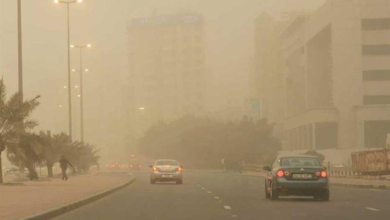
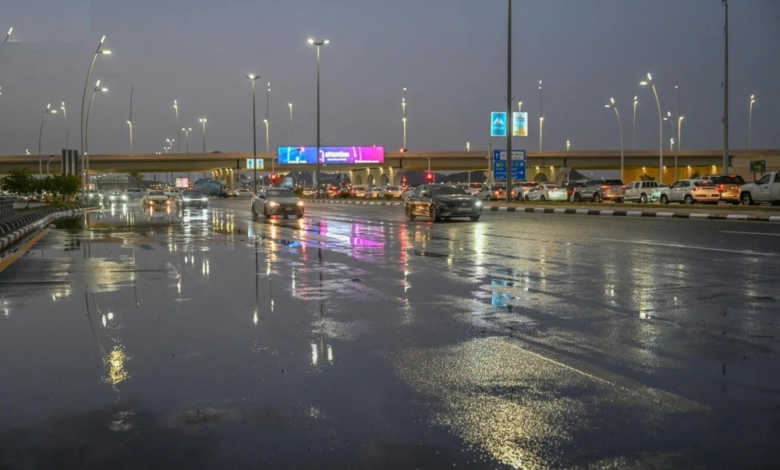
Those interested in following the weather in Saudi Arabia closely monitoring the ongoing updates issued by the National Center for Meteorology, which predicts continued thunderstorms of varying intensity across a wide geographical area of the Kingdom. This weather pattern is expected to last from Monday until next Friday, accompanied by a range of weather phenomena including dust storms, hail, and flash floods in valleys and ravines in some areas.
Climate context: The nature of weather changes in the Kingdom
Historically, Saudi Arabia experiences significant weather fluctuations during seasonal transitions. The diverse geographical terrain plays a major role in determining the course and intensity of these events. While the Sarawat Mountains in the southwest trap moisture from the Red Sea, leading to the formation of cumulonimbus clouds and thunderstorms, the central, eastern, and northern regions experience the expansion of low-pressure systems that bring active winds and varying levels of rainfall. These climatic patterns are well-known and documented in the Kingdom's climate records and are part of the natural cycle that contributes to the renewal of the desert and mountain environments.
The impact of the rainy weather on the southwestern regions and Mecca
The weather report indicated that the southwestern regions would be at the heart of the weather event and among the areas most affected by the rainfall. Moderate to heavy rain is expected in the regions of Asir, Jazan, and Al-Baha. This forecast includes several governorates such as Ahad Al Masarihah, Samtah, Abu Arish, Sabya, Baysh, and Al Darb in Jazan. In Asir, the weather system extends to include Muhayil Asir, Khamis Mushait, Ahad Rafidah, Al Namas, Balqarn, and Bisha. It also includes Al-Baha governorates such as Al Makhwah, Al Hajrah, Qalwah, Ghamid Al Zanad, Baljurashi, and Al Aqiq. The rainfall is expected to intensify on Thursday and Friday, with the possibility of hail and high waves along the coasts. The weather system also extends to the Makkah region, specifically Taif, Maysan, Adham, Al Ardiyat, Turabah, Al Khurmah, and Ranyah.
Rain extends to Riyadh, the Eastern Province and Najran
In the Najran region, moderate to heavy rainfall is expected in the governorates of Najran, Badr Al Janoub, Habuna, Yadma, Thar, and Khubash, while Sharurah will experience light to moderate rain. In the capital, Riyadh, and its surrounding areas, Wadi Al Dawasir, As Sulayyil, and Al Aflaj will see moderate to heavy rainfall, while light to moderate rain is expected in Ad Dawadmi, Al Quway'iyah, Afif, Riyadh city, Al Kharj, Al Majma'ah, Az Zulfi, Shaqra, Dhurma, and Al Muzahmiyah. In the Eastern Province, light to moderate rain is expected on Wednesday and Thursday, including in Dammam, Khobar, Qatif, Ras Tanura, Abqaiq, Al Ahsa, An Nu'ayriyah, Hafr Al Batin, and Al Khafji.
Northern regions and the local and regional impact of weather phenomena
The rainy weather system extends, to a lesser extent, to the Qassim, Hail, Al-Jawf, Tabuk, and Northern Borders regions, where light rain is expected in cities such as Buraidah, Unaizah, Hail, Sakaka, Dumat Al-Jandal, Tabuk, Arar, and Tarif. This system may be accompanied by downdrafts reaching speeds of up to 60 km/h. Locally and regionally, this rainfall is of paramount importance; it directly contributes to supporting the agricultural sector, increasing groundwater levels, and replenishing strategic dams upon which the Kingdom relies for its water security. However, these conditions necessitate extreme caution to avoid the risks of flash floods and reduced horizontal visibility, which could affect land and air transportation.
Important guidelines for citizens and residents
In light of these fluctuations, the National Center for Meteorology and the General Directorate of Civil Defense called on all citizens and residents to take precautions, follow weather reports and warnings issued through the center’s official website, the “Anwaa” application, and its accounts on social media platforms, and stay away from valleys and flood channels to ensure public safety.