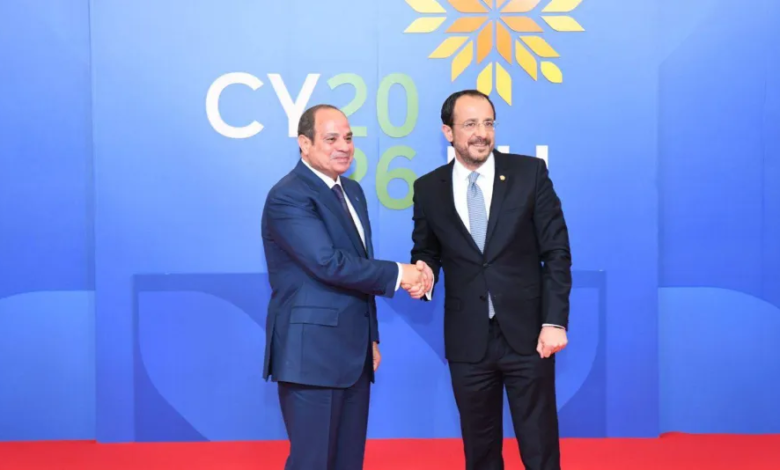

In a significant diplomatic move, a consultative meeting of foreign ministers from Arab and European countries has commenced, aiming to strengthen dialogue and coordinate positions in pursuit of a broader consensus on addressing the multiple crises plaguing the Middle East. This meeting comes at a critical juncture, as tensions escalate and humanitarian and security challenges intensify, placing a heavy responsibility on the participants to find common ground upon which to build.
Historical background and context of the dialogue
Arab-European relations are not a recent phenomenon; their roots extend deep into history and are based on profound geographical, cultural, and economic ties. This dialogue has been institutionalized through several initiatives, most notably the Euro-Mediterranean Dialogue and the Barcelona Process, launched in 1995, and later the Union for the Mediterranean in 2008. These frameworks aimed to create an environment of peace and shared prosperity, but they have faced significant challenges due to differing viewpoints on key issues, primarily the Palestinian question, as well as the political transformations witnessed in the Arab region.
This meeting gains additional momentum in light of current international changes, including the war in Ukraine and its impact on global energy and food security, and the increasing roles of other international powers in the region, which pushes the Arab and European blocs to reassess their partnership and activate consultation mechanisms to confront common interests and challenges more effectively.
The importance of the meeting and its expected impact
The meeting's agenda focuses on a number of thorny issues, foremost among them the war in Gaza and its catastrophic humanitarian consequences, and the urgent need to push for a ceasefire and revive the two-state solution. Discussions will also cover the ongoing crises in Syria, Libya, Sudan, and Yemen, as well as issues related to counterterrorism, maritime security, and illegal immigration.
At the regional level, the meeting aims to unify perspectives as much as possible to formulate a coordinated Arab-European position that can exert effective diplomatic pressure on the conflicting parties and support mediation efforts led by the United Nations and regional organizations. Reaching a consensus would enhance the chances of reaching sustainable political solutions and contribute to alleviating the humanitarian suffering of millions of people.
At the international level, the success of this dialogue sends a powerful message about the importance of multilateral diplomacy as a tool for conflict resolution. It also reinforces the standing of the European Union and the League of Arab States as key players in managing international crises and provides a model of partnership between two major regional blocs facing common challenges. The greatest challenge remaining for the participants is to overcome traditional differences and translate initial agreements into practical and impactful steps on the ground.