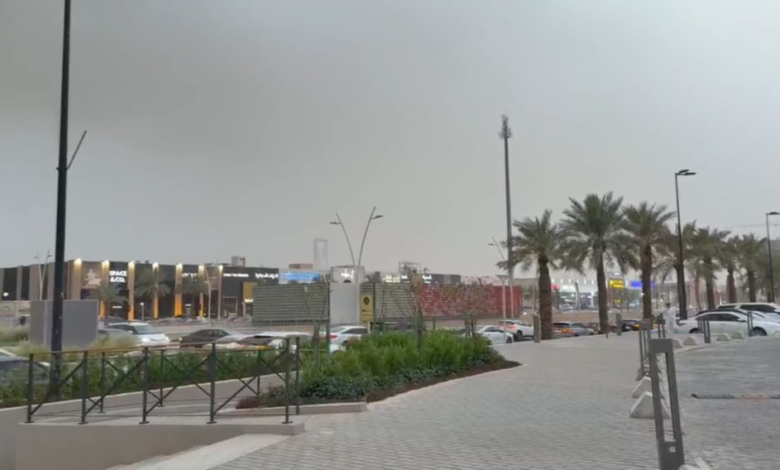

Heavy rains hit the capital, Riyadh, prompting authorities to mobilize
The Saudi capital, Riyadh, experienced heavy rainfall , accompanied by thunderstorms and strong downdrafts, significantly reducing visibility on several main roads and highways. This weather event prompted a full mobilization of relevant authorities to manage water accumulation and ensure smooth traffic flow and the safety of road users.
National Center of Meteorology warns of flash floods
In this context, the National Center for Meteorology issued successive warnings about the risk of flash floods in some low-lying areas and valleys. The center explained in its periodic reports that the weather conditions affecting the Riyadh region are a result of the formation of cumulonimbus clouds producing rain, and it anticipates continued chances of thunderstorms with varying intensity, reaching heavy levels at times. The center also indicated that these rains will be accompanied by hail and significant surface wind activity, requiring the utmost caution.
Rising water levels and chances of evening rainfall
The National Center for Meteorology indicated that rainfall could reach high levels during the evening hours, with a probability exceeding 90% at times. This significant increase in rainfall chances raises the likelihood of flash floods and rising water levels in some roads and tunnels, necessitating swift and continuous intervention by emergency teams and the Riyadh Municipality to ensure efficient water drainage and prevent traffic disruptions.
Historical context and government efforts in infrastructure
Historically, the Riyadh region and central Saudi Arabia are known for experiencing periods of atmospheric instability during seasonal transitions. These periods are characterized by heavy rainfall over short periods, leading to flash floods in the region's well-known wadis, such as Wadi Hanifa. As part of its Vision 2030 goals, the Saudi government has prioritized developing infrastructure, including stormwater drainage projects and flood mitigation measures, to minimize the negative impacts of these natural phenomena on daily life and the local economy.
Safety and Civil Defense Guidelines
Locally, these weather changes directly impact traffic, making it crucial to stay informed about weather forecasts. The General Directorate of Civil Defense and other relevant authorities have urged all citizens and residents to exercise caution and adhere to their instructions. They emphasized the importance of staying away from floodplains and wadis, avoiding driving on flooded roads, and not attempting to cross wadis while they are flowing. They also stressed the importance of monitoring updates and warnings issued by official channels, especially given the expected continued weather fluctuations in the region over the coming hours.
Climate change and its regional impact
It is worth noting that global climate change is casting its shadow over the Middle East, where extreme weather events, such as sudden torrential rains in desert regions, are becoming more frequent. This is prompting regional authorities to strengthen early warning systems and develop rapid response plans to protect communities from the direct impacts of severe climate fluctuations.