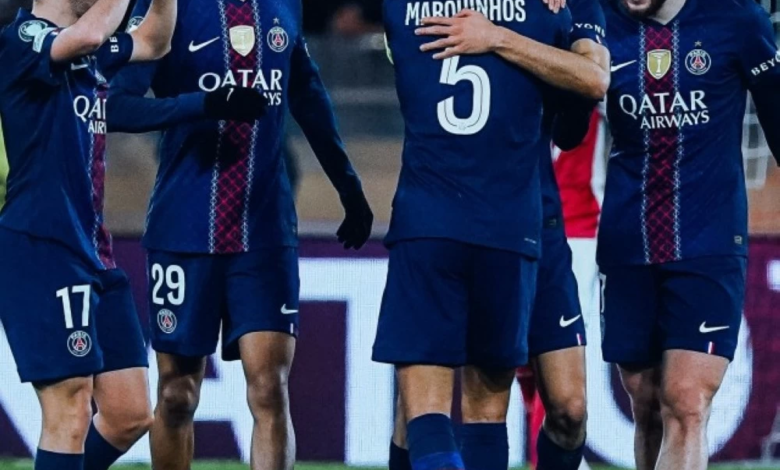
Summary of the Paris Saint-Germain and Monaco match: Remontada and goals by Hakimi and Douai

In a nail-biting night of football, Paris Saint-Germain secured a hard-fought and thrilling victory over Monacoin the Champions League play-off round. The match, played at the Stade Louis II in Monaco, witnessed a dramatic turnaround as the Parisian side overturned a two-goal deficit to claim a precious 3-2 win.
Match details and the Parisian comeback
The match began with an early shock for the Parisian side, as the home team surprised their visitors with a sweeping attack that resulted in a very early goal in the first minute by the brilliant striker Foulard Pagon. Paris Saint-Germain had barely recovered from the shock of the first goal when Pagon struck again in the 18th minute, extending Monaco's lead with a second goal that put the visitors under immense pressure.
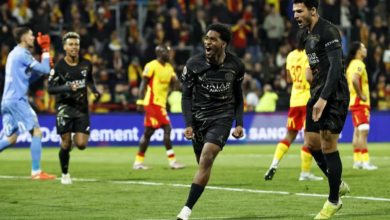
Despite a shaky start, Paris Saint-Germain showed the character of champions, narrowing the gap in the 29th minute through rising star Djibril Doue, ending the first half with Monaco leading 2-1. In the second half, Doue continued his brilliance, equalizing in the 67th minute, before Moroccan star Achraf Hakimi the role of savior, scoring the decisive winning goal and his team's third, securing a hard-fought victory for Paris in Monaco.
History of the conflict between the giants of France
Matches between Paris Saint-Germain and Monaco always take on a special character, transcending the typical football game; they represent a clash between two distinct schools of French football. This "modern-day classic" is one of the most watched matches in Ligue 1 and European competitions, given the intense rivalry between the two clubs for domestic titles over the past decade. Historically, the Stade Louis II has always been a tough hurdle for PSG, making this victory all the more significant, especially as it came within the context of a crucial continental competition.
The importance of the victory and its impact on the European scene
This victory carries significant implications beyond the numerical score; it sends a powerful message to their Champions League rivals about Paris Saint-Germain's ability to stage comebacks and handle pressure away from home. The win is a major morale boost for the coach's squad, especially with the impressive performances of young players like Djibril Doué and Achraf Hakimi's decisive leadership. On the other hand, this defeat is a painful blow for Monaco, who had a near-perfect first half, forcing them to address the defensive errors that cost them the game in the final minutes.