
Introduction: A remarkable recovery in energy supply
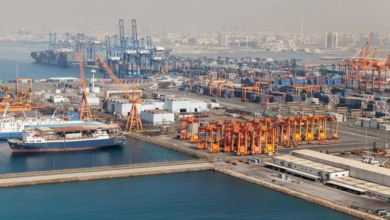
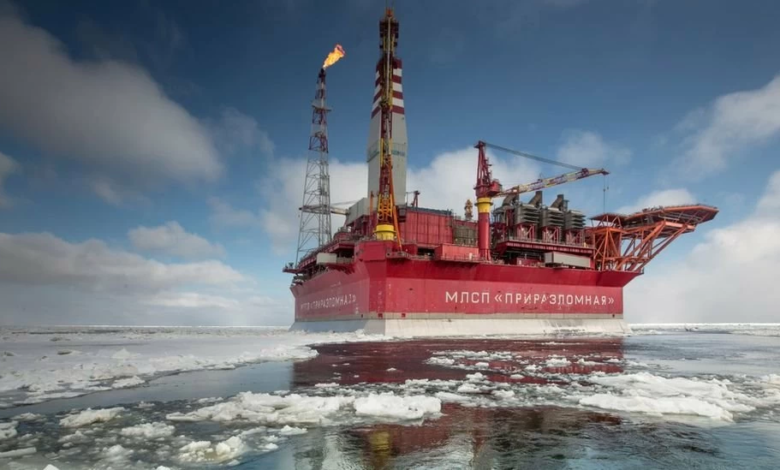
saw Russia's seaborne oil exports a significant increase of nearly 10% month-on-month during the first half of May. This positive growth coincided with the gradual resumption of fuel shipments at some major Russian ports, following a period of disruptions and temporary shutdowns primarily caused by Ukrainian drone attacks targeting Russian energy infrastructure.
Volume of Russian oil exports according to recent data
According to data from the London Stock Exchange Group (LSEG), total Russian exports of petroleum products transported via seaports reached approximately 4.2 million metric tons during the first fifteen days of May. This increase is primarily attributed to Russian companies drawing on accumulated oil stockpiles built up during previous periods of disruption.
Despite this recovery, the Russian oil industry continues to face persistent pressures stemming from unplanned seasonal maintenance at several refineries, coupled with a significant increase in domestic fuel demand within Russia. Meanwhile, diesel shipments through the Baltic Sea port of Primorsk, the country's largest diesel export terminal, reached approximately 710,000 tons in the first half of May, remaining roughly unchanged from the same period in April.
General context and historical background of the event
To understand the implications of this surge in Russian oil exports, one must consider the broader geopolitical and economic context. Since the outbreak of the Russian-Ukrainian conflict in late February 2022, Western countries, including the United States and the European Union, have imposed unprecedented economic sanctions on Moscow, including an embargo on Russian oil imports and a price cap imposed by the G7. This has led to a radical shift in the global energy flow map, with Russia redirecting its exports toward Asian markets, particularly China and India, which have become major importers of Russian crude oil and refined products.
More recently, Ukraine has adopted a new strategy of targeting Russian oil refineries and ports with suicide drones, aiming to cripple Moscow's financial capabilities and reduce its foreign currency earnings. These attacks caused a temporary decline in Russian refining capacity, highlighting the importance of the current recovery and the return of ports to higher operational efficiency.
The importance of the event and its expected impact locally and internationally
Local and regional impact
Domestically, the oil and gas sector is the lifeblood of the Russian economy and the primary source of revenue for the state budget. A resurgence in exports would mean additional cash flow, helping the Russian government meet its financial needs and mitigate the impact of Western sanctions. Balancing the growing domestic demand for fuel with the export of surplus remains a persistent challenge for policymakers in Moscow, particularly during peak agricultural and travel seasons when diesel and gasoline consumption surges.
International impact and global energy markets
Internationally, Russia plays a pivotal role as one of the world's top three oil producers and exporters, and an active member of the OPEC+ alliance. Any fluctuation in its supplies is immediately reflected in global energy prices. The recovery of Russian exports helps reassure global markets and alleviate concerns about supply shortages, particularly in the structurally tight global diesel market. Stable supplies prevent sharp price spikes that could harm the global economy, which is still struggling to control high inflation rates.