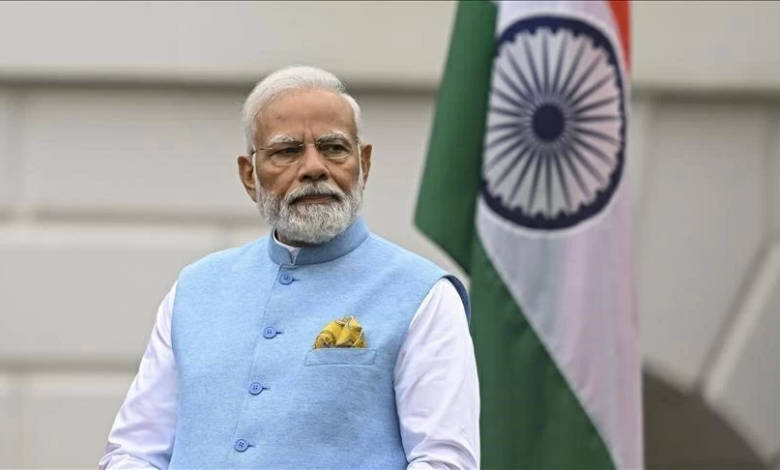

دعوة حكومية لمواجهة التحديات الاقتصادية
في خطوة تعكس حجم الضغوط الاقتصادية الناجمة عن اضطراب أسواق الطاقة العالمية، وجه رئيس الوزراء الهندي ناريندرا مودي نداءً عاجلاً للمواطنين والشركات لترشيد استهلاك الوقود، مشدداً على ضرورة إعطاء الأولوية للعمل من المنزل وعقد الاجتماعات عبر الإنترنت. تأتي هذه الدعوة في وقت حرج، حيث أدى الارتفاع الحاد في أسعار النفط والغاز عالمياً إلى تآكل احتياطيات النقد الأجنبي لدى نيودلهي، مما يهدد استقرار الاقتصاد الهندي الذي يعتمد بشكل كبير على استيراد الطاقة.
السياق الاقتصادي: اعتماد الهند على واردات النفط
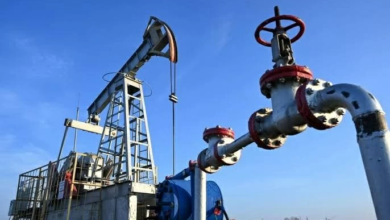
تُعد الهند ثالث أكبر مستورد ومستهلك للنفط في العالم، حيث تستورد أكثر من 85% من احتياجاتها من النفط الخام. هذا الاعتماد الكبير يجعل الاقتصاد الهندي شديد الحساسية لتقلبات الأسعار في الأسواق العالمية. عندما ترتفع أسعار النفط، تضطر الحكومة لإنفاق المزيد من الدولارات الأمريكية لشرائه، مما يستنزف احتياطياتها من العملة الصعبة ويضع ضغطاً على قيمة الروبية الهندية. وأوضح مودي أن “ارتفاع أسعار الوقود عالمياً يفرض على الهند ضرورة ترشيد استهلاك البنزين والديزل للحفاظ على احتياطيات النقد الأجنبي”، مؤكداً أن العودة إلى نماذج العمل التي أثبتت نجاحها خلال جائحة كوفيد-19، مثل العمل عن بعد، ستعود بالنفع على الاقتصاد الوطني عبر تقليل فاتورة استيراد الطاقة.
أزمة طاقة عالمية غير مسبوقة
تتزامن هذه الإجراءات المحلية في الهند مع تحذيرات دولية من أزمة طاقة هي الأشد منذ عقود. فقد صرح فاتح بيرول، مدير وكالة الطاقة الدولية (IEA)، بأن العالم يواجه “أكبر أزمة طاقة في التاريخ”، مشيراً إلى أن التداعيات المجمعة للحرب الروسية الأوكرانية والتوترات الجيوسياسية في الشرق الأوسط قد خلقت وضعاً حرجاً. وأوضح بيرول أن “الصراع بين إيران والولايات المتحدة وإسرائيل” يضاف إلى “أزمة الغاز المرتبطة بروسيا”، مما يشكل ضغطاً هائلاً على إمدادات الطاقة العالمية.
التأثيرات الإقليمية والدولية
تفاقمت الأزمة بسبب اضطراب حركة الملاحة في ممرات حيوية مثل مضيق هرمز، الذي يمر عبره ما يقرب من خُمس إمدادات النفط والغاز الطبيعي المسال في العالم. كما أدت الحرب في أوكرانيا إلى انقطاع شبه كامل لإمدادات الغاز الروسي إلى أوروبا، مما دفع الدول الأوروبية للبحث عن مصادر بديلة وزاد من حدة المنافسة العالمية على موارد الطاقة المحدودة. إن دعوة الهند لترشيد الاستهلاك لا تعد مجرد إجراء داخلي، بل هي مؤشر على أن الاقتصادات الناشئة الكبرى بدأت تشعر بآثار هذه الأزمة العالمية بشكل مباشر، وقد تدفع دولاً أخرى مستوردة للطاقة إلى اتخاذ خطوات مماثلة لحماية اقتصاداتها من الصدمات الخارجية.