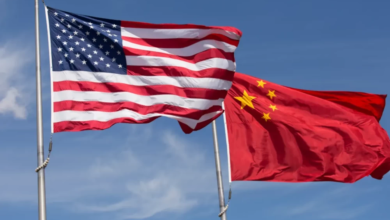

أعلنت وزارة التجارة الصينية عن انطلاق جولة جديدة من المحادثات الاقتصادية والتجارية رفيعة المستوى مع الولايات المتحدة في العاصمة الكورية الجنوبية، سيول. ويترأس الوفد الصيني نائب رئيس مجلس الدولة، خه لي فنغ، في خطوة تعكس الأهمية التي يوليها البلدان للحوار المستمر رغم التوترات القائمة بينهما.
سياق تاريخي من التنافس والتعاون
تأتي هذه المباحثات كحلقة في سلسلة طويلة من اللقاءات التي تهدف إلى إدارة العلاقة الاقتصادية الأكثر تعقيدًا وأهمية في العالم. فمنذ اندلاع الحرب التجارية في عهد الإدارة الأمريكية السابقة، والتي شهدت فرض رسوم جمركية متبادلة على مئات المليارات من الدولارات من السلع، يسعى البلدان إلى إيجاد أرضية مشتركة لتجنب تصعيد قد يضر بالاقتصاد العالمي. وقد استمر هذا النهج في عهد الإدارة الحالية، التي تركز على سياسة “الحد من المخاطر” بدلاً من “الفصل الكامل”، مع الحفاظ على قنوات الاتصال مفتوحة من خلال زيارات متبادلة لمسؤولين كبار مثل وزيرة الخزانة الأمريكية جانيت يلين ووزير الخارجية أنتوني بلينكن.
أجندة حافلة بالقضايا الشائكة
من المتوقع أن تركز المحادثات على مجموعة من القضايا الاقتصادية والتجارية الملحة التي تهم الجانبين. فالولايات المتحدة تبدي قلقًا متزايدًا بشأن ما تصفه بـ”الفائض في القدرة الصناعية” لدى الصين، خاصة في قطاعات التكنولوجيا الخضراء مثل السيارات الكهربائية والألواح الشمسية، وتأثير ذلك على الأسواق العالمية. في المقابل، تعترض الصين بشدة على القيود التي تفرضها واشنطن على تصدير التكنولوجيا المتقدمة، مثل أشباه الموصلات، وتعتبرها محاولة لكبح جماح نموها التكنولوجي. كما تشمل الأجندة ملفات أخرى كحقوق الملكية الفكرية، والعجز التجاري الأمريكي، وسبل تحقيق معاملة بالمثل للشركات في كلا السوقين.
الأهمية والتأثير المتوقع
تحظى هذه المباحثات بمتابعة دولية واسعة نظرًا لتأثيرها المحتمل على الاقتصاد العالمي. فعلى الصعيد الدولي، يمكن لأي تقدم إيجابي أن يبعث برسالة طمأنة للأسواق المالية ويساهم في استقرار سلاسل الإمداد العالمية. أما على الصعيد الإقليمي، فإن اختيار سيول كمكان للاجتماع يسلط الضوء على دور كوريا الجنوبية كحليف رئيسي للولايات المتحدة وشريك تجاري مهم للصين، ومحاولتها الموازنة بين القوتين العظميين. وعلى الصعيد المحلي، يسعى كل بلد لتحقيق مكاسب تدعم اقتصاده؛ فالصين تحتاج إلى استقرار علاقاتها التجارية لدعم نموها الاقتصادي، بينما تهدف الولايات المتحدة إلى حماية صناعاتها ووظائفها. ورغم أنه من غير المرجح أن تسفر هذه الجولة عن حلول جذرية، إلا أنها تعد خطوة ضرورية في مسار إدارة التنافس ومنع تحوله إلى صراع مفتوح.