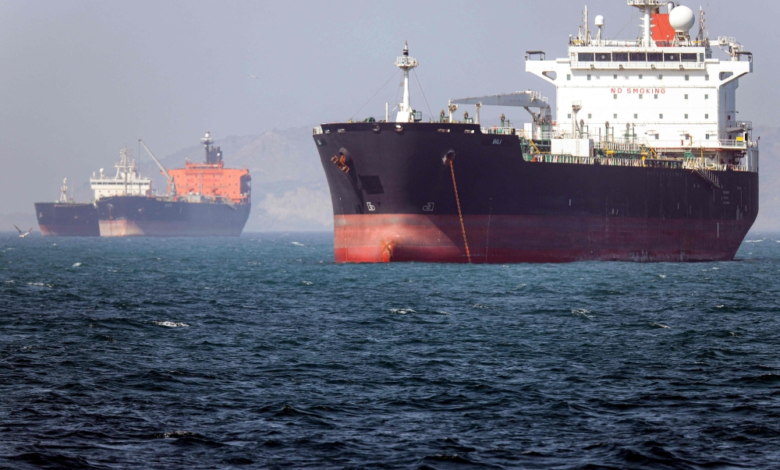

أعلنت حكومة كوريا الجنوبية أنها تدرس بعناية طلبًا من الولايات المتحدة للمشاركة في تحالف عسكري دولي يهدف إلى حماية الملاحة البحرية في مضيق هرمز الاستراتيجي. يأتي هذا التطور في أعقاب تصاعد التوترات في المنطقة وحادث استهداف ناقلة نفط مرتبطة بكوريا الجنوبية، مما دفع الرئيس الأمريكي آنذاك، دونالد ترامب، إلى حث سيول على المساهمة في تأمين هذا الممر المائي الحيوي.
خلفية التوترات وأهمية مضيق هرمز
يعد مضيق هرمز أحد أهم الممرات المائية في العالم، حيث يمر عبره ما يقرب من خُمس استهلاك النفط العالمي. وقد شهدت المنطقة تصاعدًا كبيرًا في التوتر بين الولايات المتحدة وإيران، خاصة بعد انسحاب واشنطن من الاتفاق النووي الإيراني في عام 2018 وإعادة فرضها عقوبات اقتصادية مشددة على طهران. ردًا على ذلك، شهدت المنطقة سلسلة من الحوادث الأمنية، بما في ذلك هجمات على ناقلات نفط في خليج عُمان، ألقت الولايات المتحدة باللوم فيها على إيران، وهو ما نفته طهران باستمرار. وفي هذا السياق، دعت واشنطن حلفاءها لتشكيل “مبادرة الأمن البحري الدولي” (Operation Sentinel) لضمان حرية الملاحة وردع أي تهديدات محتملة للسفن التجارية.
الموقف الكوري الجنوبي.. توازن دقيق
تجد كوريا الجنوبية نفسها في موقف دبلوماسي معقد. فمن ناحية، تعتمد بشكل كبير على واردات النفط والغاز من الشرق الأوسط، والتي يمر معظمها عبر مضيق هرمز، مما يجعل أمن الملاحة مصلحة وطنية عليا. ومن ناحية أخرى، تربطها بالولايات المتحدة علاقة تحالف استراتيجي قوي، مما يضع عليها ضغوطًا للاستجابة للطلب الأمريكي. ومع ذلك، تسعى سيول أيضًا للحفاظ على علاقات اقتصادية ودبلوماسية جيدة مع إيران، وتخشى أن يُنظر إلى مشاركتها في تحالف تقوده الولايات المتحدة على أنه خطوة تصعيدية قد تضر بمصالحها في المنطقة.
وقد أكدت وزارة الدفاع في سيول أنها “ستراجع الموقف بعناية”، آخذة في الاعتبار عدة عوامل، بما في ذلك سلامة مواطنيها وسفنها، وتأثير القرار على اقتصادها الوطني، والالتزام بالقانون الدولي، بالإضافة إلى الوضع الأمني في شبه الجزيرة الكورية. وأشارت الوزارة إلى أن أي قرار سيتم اتخاذه سيستند إلى تقييم شامل لهذه الأبعاد المتشابكة.
التأثير الإقليمي والدولي
إن قرار كوريا الجنوبية، سواء بالمشاركة أو الامتناع، يحمل في طياته تداعيات مهمة. فالمشاركة ستعزز التحالف الذي تقوده الولايات المتحدة، لكنها قد تزيد من عزلة إيران وتؤجج التوترات الإقليمية. أما الامتناع عن المشاركة فقد يثير استياء واشنطن، الحليف الأمني الرئيسي لسيول. وقد تباينت ردود الفعل الدولية على الدعوة الأمريكية، حيث انضمت دول مثل المملكة المتحدة وأستراليا، بينما أبدت دول أوروبية أخرى، مثل ألمانيا وفرنسا، تحفظها وفضلت إطلاق مبادرة أوروبية منفصلة، مما يعكس الانقسام الدولي حول كيفية التعامل مع الأزمة في الخليج. ويبقى قرار سيول مرتقبًا كونه سيعكس استراتيجيتها في الموازنة بين تحالفاتها القوية ومصالحها الاقتصادية الحيوية في منطقة الشرق الأوسط المضطربة.