
ستارمر: بريكست أضر ببريطانيا اقتصادياً وسياسياً
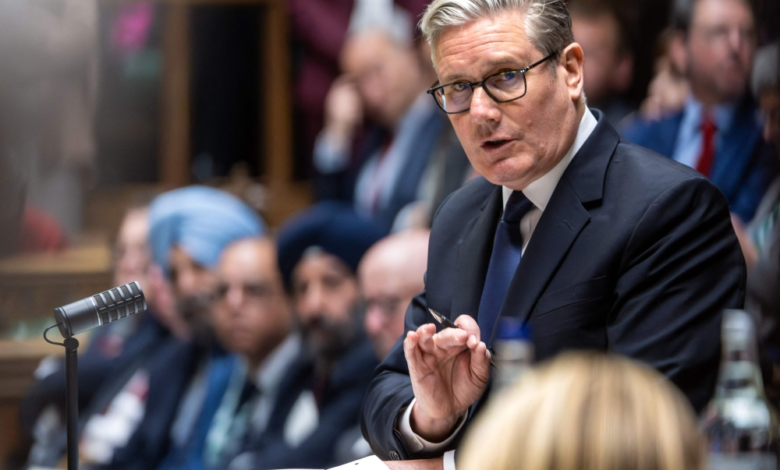
في تصريح يعكس تحولاً كبيراً في الخطاب السياسي البريطاني، أكد رئيس الوزراء البريطاني، كير ستارمر، أن خروج المملكة المتحدة من الاتحاد الأوروبي، المعروف بـ “بريكست”، قد جعل البلاد “أفقر وأضعف”. جاءت تصريحات زعيم حزب العمال بعد حوالي عقد من الاستفتاء الذي قسم الأمة، متعهداً برسم مسار جديد يهدف إلى “إعادة وضع المملكة المتحدة في قلب أوروبا” كشريك رئيسي وحليف موثوق.
وقال ستارمر في خطاب مهم يحدد ملامح سياسته الخارجية: “ستتميز حكومة حزب العمال بالتزامها بإعادة بناء علاقتنا مع أوروبا، حتى نكون أقوى اقتصادياً وتجارياً ودفاعياً”. وأضاف أن هذا التوجه الجديد ليس عودة إلى الماضي، بل هو رؤية مستقبلية تدرك أن ازدهار بريطانيا وأمنها مرتبطان ارتباطاً وثيقاً بعلاقات قوية مع جيرانها الأوروبيين.
خلفية تاريخية: استفتاء 2016 وتداعياته
تعود جذور هذا التحول إلى استفتاء عام 2016، الذي صوت فيه 51.9% من الناخبين لصالح مغادرة الاتحاد الأوروبي بعد أكثر من 40 عاماً من العضوية. استندت حملة الخروج على وعود بـ”استعادة السيطرة” على الحدود والقوانين والتجارة. وبعد سنوات من المفاوضات الصعبة، خرجت بريطانيا رسمياً من التكتل في 31 يناير 2020، ودخلت في اتفاقية تجارية جديدة أدت إلى فرض حواجز جمركية وتنظيمية لم تكن موجودة من قبل.
على مدى السنوات الماضية، أظهرت العديد من التقارير الاقتصادية، بما في ذلك تقارير مكتب مسؤولية الميزانية الحكومي، أن “بريكست” أدى إلى تباطؤ النمو الاقتصادي، وتقليص حجم التجارة مع الاتحاد الأوروبي، وزيادة الأعباء الإدارية على الشركات، مما ساهم في تفاقم أزمة تكلفة المعيشة.
أهمية التحول وتأثيره المتوقع
تكتسب رؤية ستارمر أهمية كبرى على الصعيدين المحلي والدولي. داخلياً، تسعى حكومته إلى معالجة الانقسامات العميقة التي خلفها الاستفتاء، وتقديم حلول عملية للمشاكل الاقتصادية التي يواجهها المواطنون والشركات. أما دولياً، فيمثل هذا التوجه محاولة لترميم الثقة مع الشركاء الأوروبيين بعد فترة من التوتر، خاصة في ظل التحديات الجيوسياسية العالمية مثل الحرب في أوكرانيا والحاجة إلى تنسيق أمني ودفاعي مشترك.
وتشمل خطة ستارمر العملية اتخاذ خطوات ملموسة، مثل السعي إلى ما يسمى بـ”المواءمة الديناميكية” في قطاعات محددة كالغذاء والزراعة، وهو ما يعني مواءمة المعايير البريطانية مع معايير الاتحاد الأوروبي لتسهيل حركة البضائع وتقليل الحواجز التجارية. ومن المتوقع أن يتم الإعلان رسمياً عن هذه الأجندة التشريعية الجديدة في خطاب الملك تشارلز الثالث التقليدي أمام البرلمان، مما يمثل بداية فصل جديد في علاقة بريطانيا بأوروبا بعد “بريكست”.