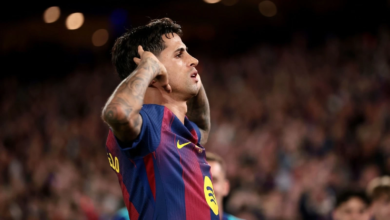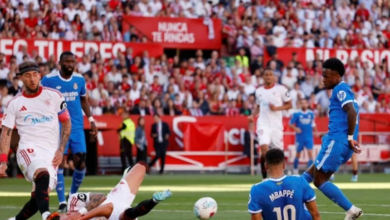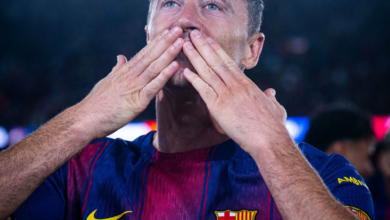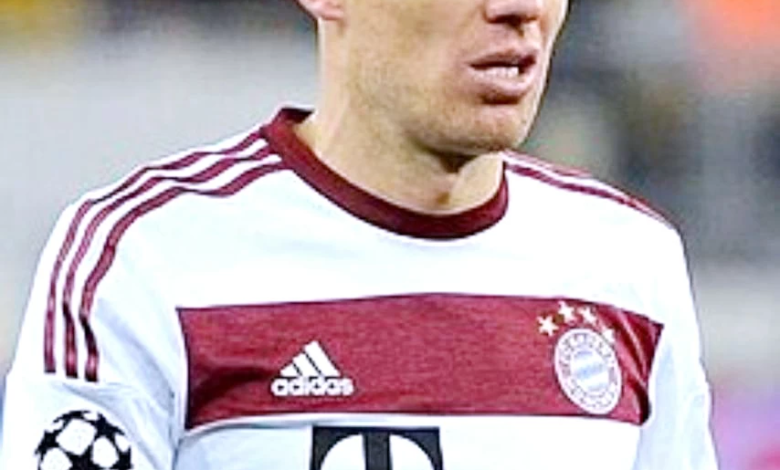

Throughout its history, football has witnessed the return of a number of stars to the field after retiring in a previous era, and some of them decided to break this decision out of passion or in response to the call of national teams. Among the most prominent of these is the French star Zinedine Zidane, who returned to lead his national team in the 2006 World Cup. The Brazilian legend Pelé is also a prominent example after returning to play with the New York Cosmos. In the Netherlands, Arjen Robben returned to the field wearing the Groningen jersey, as did Ruud van Nistelrooy, who reversed his international retirement to participate in major tournaments. Before them, the legend Johan Cruyff returned after a short period of retirement. In Germany, Toni Kroos answered the call of his national team and returned after international retirement. In England, Paul Scholes formed a unique case when he returned to support his team at a critical time. The Arab stadiums also witnessed the return of some players such as Faisal Khalil, who returned to the field in 2019 after about six years of retirement, as well as Emad Moteab, who announced his retirement and then returned for a short period before ending his career permanently. In Africa, Samuel Eto'o returned to lead his national team in the 2014 World Cup.
Regarding the story of retirement and return, Dr. Mohammed Hamed, a psychological consultant and sports expert, told Okaz: “The decision to retire in football is not always the end of the road, but it may be just a temporary stop after which the player returns with different motives that combine love, responsibility and the desire to write a different ending to his career. The most prominent reason is the deep passion for the game. Many players find it difficult to adapt to life outside the green rectangle after many years of competition and pressure. Some of them also return out of a sense of responsibility, as happened with some players who answered the call of their national teams. There are also reasons related to dissatisfaction with the end of the career, so the player seeks to write a brighter ‘final chapter,’ or to achieve an accomplishment that was not completed previously.”.
He said that retirement represents a psychological shock for many athletes, as the player suddenly transitions from a life full of glamour and competition to a quiet routine. This transition can generate a feeling of emptiness or a loss of identity, especially for those whose personalities have been linked to football since childhood. Returning then becomes a kind of self-discovery, or an attempt to better close the psychological loop. Regarding the extent of public acceptance, Dr. Mohamed Hamed continued: “Fans often welcome the return of stars with great enthusiasm, especially if they are legendary figures. However, this welcome is not absolute. High expectations can quickly turn into criticism if the player does not perform at the expected level, which puts the returning player under double pressure. In most cases, technical performance is affected by advancing age and loss of match fitness. However, there are exceptions when some players maintain a good level thanks to their vast experience and tactical intelligence. The returning player may not be as fast or fit, but they compensate for this with good positioning, playmaking, and reading the game. Therefore, success after returning depends on how they are utilized within the team.”.
Regarding the question: Does sports law allow a return? Dr. Mohamed Hamed concluded by saying: “Yes, there are no laws preventing a player from returning after retirement, because retirement is not a legally binding procedure as much as it is a personal decision, and any player can register again in a club or national team as long as he meets the physical and administrative requirements. However, in some cases, especially at the international level, a return may require the approval of the technical staff and compliance with the regulations of the federations, which explains why some decisions to return are exceptional and not common.”.