
تحذير أممي من أزمة غذاء عالمية
في ظل تصاعد التوترات الجيوسياسية في منطقة الشرق الأوسط، أطلقت منظمة الأغذية والزراعة للأمم المتحدة (الفاو) تحذيراً شديد اللهجة من التداعيات الخطيرة التي قد تترتب على إغلاق مضيق هرمز. لم يعد الأمر يقتصر على مجرد “صدمة نفطية” تقليدية كما كان يحدث في العقود الماضية، بل تحول التهديد اليوم إلى صدمة هيكلية عميقة تنذر بوقوع أزمة غذاء عالمية تضرب سلاسل الإمداد في مقتل.
السياق التاريخي والأهمية الاستراتيجية لمضيق هرمز
تاريخياً، يُعد مضيق هرمز، الذي يربط بين الخليج العربي وخليج عُمان وبحر العرب، أحد أهم الممرات المائية الاستراتيجية في العالم. لطالما كان هذا المضيق نقطة اشتعال جيوسياسية، حيث شهدت المنطقة توترات عديدة منذ ثمانينيات القرن الماضي وحتى التصعيدات الأخيرة. ومع تطور الاقتصاد العالمي واعتماده المتزايد على سلاسل التوريد المترابطة، لم يعد تأثير أي اضطراب في هذا الممر المائي محصوراً في أسواق الطاقة، بل امتد ليشمل قطاعات حيوية أخرى على رأسها القطاع الزراعي والغذائي.
تداعيات تتجاوز أسواق الطاقة
وفي هذا السياق، أكد ماكسيمو توريرو، كبير الاقتصاديين في منظمة (الفاو)، أن تعطل حركة الملاحة التجارية عبر مضيق هرمز يمثل واحدة من أعنف الصدمات التي قد تواجهها التجارة العالمية في العصر الحديث. وأوضح أن التأثير السلبي سيتجاوز أنظمة الطاقة ليضرب بقوة أنظمة الغذاء، والإنتاج الزراعي، والأسواق العالمية، مما يضع الأمن الغذائي لملايين البشر على المحك.
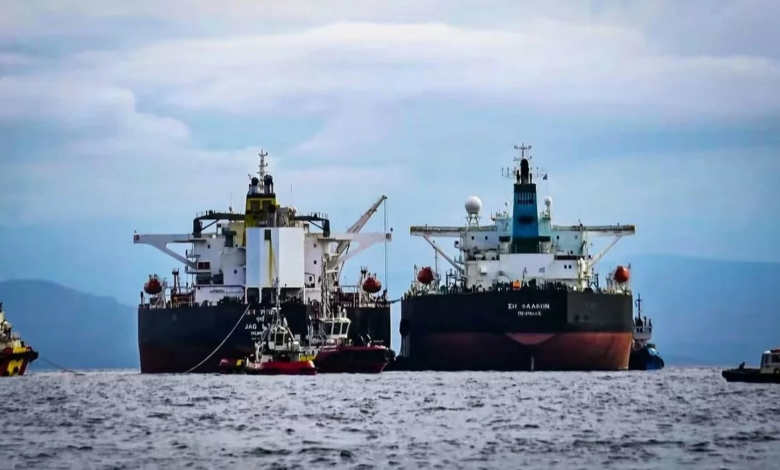
تبرز أهمية مضيق هرمز في كونه الشريان الحيوي الذي يمر عبره يومياً نحو 20 مليون برميل من النفط الخام، وهو ما يعادل حوالي 35% من إجمالي الإنتاج العالمي. وإلى جانب النفط، يعبر المضيق خُمس إنتاج الغاز الطبيعي المسال عالمياً، والأهم من ذلك في سياق الغذاء، نحو 30% من تجارة الأسمدة الدولية. وقد أظهرت البيانات الأخيرة انخفاضاً حاداً في حركة ناقلات النفط بنسبة تجاوزت 90% في الأيام التي أعقبت التصعيد الأخير، مما جعل الاضطراب الاقتصادي فورياً وشديد القسوة.
التأثير الإقليمي والدولي على الزراعة
على الصعيد الإقليمي والدولي، تلعب دول الخليج العربي دوراً محورياً كمصدر رئيسي للكبريت والأسمدة الفوسفاتية والنيتروجينية، مثل اليوريا والأمونيا. وتستحوذ هذه الدول على حصة الأسد من التجارة العالمية في هذه المدخلات الزراعية الأساسية. وبالتالي، فإن أي تعطل في إمداداتها سيؤدي بشكل مباشر إلى ارتفاع جنوني في تكاليف الإنتاج الزراعي في مختلف قارات العالم.
وتشير التوقعات الاقتصادية الصادرة عن الفاو إلى سيناريوهات مقلقة؛ إذ يُتوقع أن ترتفع أسعار الأسمدة العالمية بنسبة تتراوح بين 15% إلى 20%، وقد تصل هذه الزيادة إلى مستويات تتراوح بين 20% و 50% خلال النصف الأول من العام الجاري إذا استمرت الأزمة. وما يزيد الطين بلة هو الارتفاع الحاد في تكاليف التأمين على الشحن البحري، وهو عبء إضافي سيستمر حتى مع تخفيف حدة الأزمة.
عامل الوقت ومستقبل الأمن الغذائي
ويشدد الخبراء في المنظمة على أن مدة الأزمة ستكون حاسمة في تحديد حجم الكارثة. فإذا اقتصر الاضطراب على فترة قصيرة الأجل، قد تتمكن الأسواق من استيعاب الصدمة والعودة إلى الاستقرار في غضون ثلاثة أشهر تقريباً. أما إذا استمر الإغلاق لثلاثة أشهر أو أكثر، فإن المخاطر ستتضاعف لتشمل قرارات الزراعة للموسم الحالي والقادم. هذا السيناريو سيؤدي حتماً إلى تراجع حاد في إنتاج محاصيل استراتيجية كالقمح، والأرز، والذرة. علاوة على ذلك، فإن ارتفاع أسعار النفط سيدفع نحو زيادة المنافسة على الوقود الحيوي.
ورغم تطمينات توريرو بأن احتياطيات الغذاء العالمية لا تزال كافية في الوقت الراهن، إلا أن استمرار هذه الاضطرابات لفترات طويلة سيؤثر سلباً على الإنتاج الزراعي، وسيرفع أسعار الغذاء بشكل يثقل كاهل الدول النامية والمستوردة للأسمدة والطاقة، مما يضع العالم أمام تحدٍ غير مسبوق.