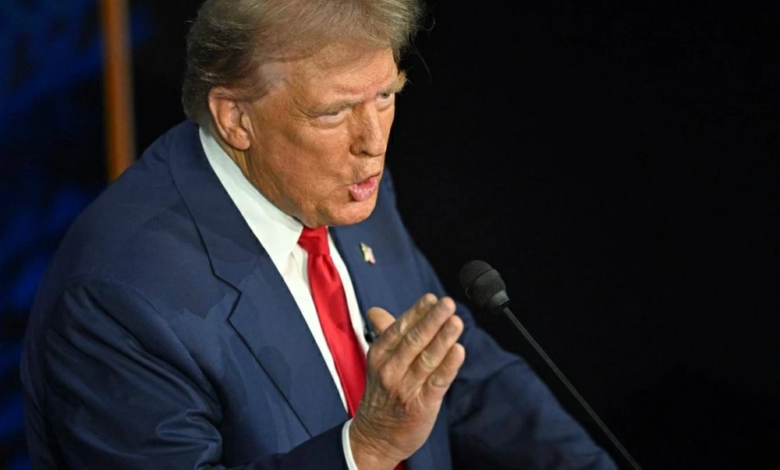

في خطوة تهدف إلى تخفيف العبء المالي عن كاهل المستهلكين الأمريكيين، عبّر الرئيس الأمريكي السابق دونالد ترامب عن تفكيره في تعليق ضريبة البنزين الفيدرالية مؤقتاً. يأتي هذا المقترح في سياق الارتفاع الملحوظ في أسعار الوقود، وهو ما يمثل تحدياً اقتصادياً كبيراً للأسر والشركات على حد سواء. وأوضح ترامب أن هذا الإجراء، في حال تطبيقه، سيكون لفترة محدودة، على أن تتم إعادة فرض الضريبة تدريجياً بمجرد استقرار الأسعار وانخفاضها.
خلفية ضريبة البنزين الفيدرالية وأهميتها
تُعد ضريبة البنزين الفيدرالية حجر الزاوية في تمويل البنية التحتية للنقل في الولايات المتحدة. فُرضت هذه الضريبة لأول مرة في عام 1932، وتبلغ قيمتها الحالية 18.4 سنتًا لكل غالون من البنزين و24.4 سنتًا لكل غالون من الديزل، وهو مستوى لم يتغير منذ عام 1993. تُوجّه عائدات هذه الضريبة بشكل أساسي إلى “صندوق ائتمان الطرق السريعة” (Highway Trust Fund)، الذي يمول مشاريع صيانة وتطوير الطرق والجسور وأنظمة النقل العام في جميع أنحاء البلاد. ومع ذلك، أدى التضخم وزيادة كفاءة استهلاك الوقود في السيارات الحديثة إلى تآكل القوة الشرائية لهذه العائدات على مر السنين، مما خلق فجوة تمويلية متزايدة في الصندوق.
التأثيرات المتوقعة للقرار: بين الترحيب الشعبي والمخاوف الاقتصادية
يحظى مقترح تعليق الضريبة بدعم شعبي واسع، حيث يراه الكثيرون وسيلة مباشرة وسريعة لتوفير المال عند تعبئة الوقود. على المستوى المحلي، يمكن أن يؤدي هذا الإجراء إلى زيادة طفيفة في الدخل المتاح للأسر، مما قد يحفز الإنفاق في قطاعات أخرى من الاقتصاد. ومع ذلك، يحذر العديد من الاقتصاديين من أن الفائدة قد لا تكون كبيرة كما هو متوقع، إذ لا يوجد ما يضمن أن تقوم شركات الطاقة بتمرير التخفيض الضريبي بالكامل إلى المستهلك. علاوة على ذلك، فإن تعليق الضريبة يعني خسارة مليارات الدولارات من الإيرادات المخصصة للبنية التحتية، مما قد يؤدي إلى تأجيل مشاريع حيوية أو زيادة العجز في الميزانية الفيدرالية. وقد استبعد ترامب في تصريحاته تقديم أي تخفيضات مماثلة لشركات الطيران، مشيراً إلى أن وضعها المالي “ليس سيئاً”، مما يعكس تركيزاً على الناخب العادي.
خطوات مماثلة على مستوى الولايات
لم تكن الإدارة الفيدرالية وحدها التي تدرس هذا الخيار، فالعديد من الولايات الأمريكية، التي تفرض ضرائبها الخاصة على الوقود، قد اتخذت بالفعل خطوات مماثلة. قامت ولايات مثل جورجيا وكنتاكي وإنديانا بتعليق أو خفض ضرائب الوقود على مستوى الولاية بشكل مؤقت لتخفيف العبء عن سكانها. هذه الإجراءات تعكس الضغط السياسي الذي يواجهه المسؤولون على كافة المستويات لمعالجة قضية ارتفاع تكاليف الطاقة، والتي تؤثر بشكل مباشر على الحياة اليومية للمواطنين وتعد عاملاً رئيسياً في معدلات التضخم.