Grossi calls for saving the Nuclear Non-Proliferation Treaty amid global tensions

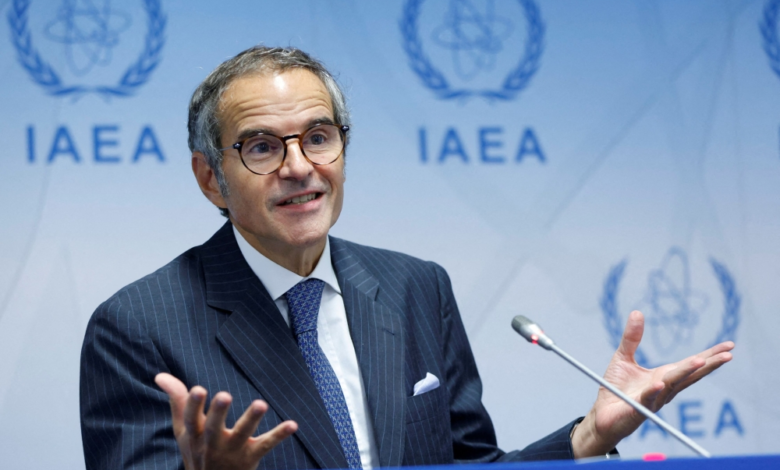
Amid escalating geopolitical tensions and growing fears of a new arms race, the Director General of the International Atomic Energy Agency, Rafael Grossi, made a strong appeal to the international community, stressing the paramount importance of renewing the commitment to the Treaty on the Non-Proliferation of Nuclear Weapons and working seriously towards a world free from this existential threat.
During a press conference held at the United Nations headquarters in New York, on the sidelines of the Treaty Review Conference, Grossi stressed that “a world with more nuclear-armed states will not be safer.” He expressed concern that mistrust and existing conflicts could lead some countries to reconsider their previous decisions not to pursue nuclear weapons, threatening to undermine decades of diplomatic efforts to maintain global stability.
Historical background: The cornerstone of global security
The Treaty on the Non-Proliferation of Nuclear Weapons (NPT), which entered into force in 1970, is the cornerstone of the global nuclear non-proliferation regime. The treaty rests on three fundamental and complementary pillars: preventing the spread of nuclear weapons to new states, promoting nuclear disarmament among states that already possess them, and advancing the right to the peaceful uses of nuclear energy. It has been ratified by 191 states, making it the most comprehensive arms control treaty, and the International Atomic Energy Agency (IAEA) plays a pivotal role in verifying member states' compliance with its provisions through inspections and monitoring.
The importance of advocacy in light of current challenges
Grossi’s call comes at a critical juncture, as the global order faces unprecedented challenges. The conflict in Ukraine has revived the specter of nuclear threats, and negotiations over Iran’s nuclear program remain deeply mired in difficulties. In East Asia, North Korea continues to develop its nuclear and missile arsenal in defiance of international resolutions. These factors combined place immense pressure on the Non-Proliferation Treaty’s structure and underscore the critical importance of upholding its principles as a safeguard against a slide into nuclear chaos.
Failure to uphold this treaty could have dire consequences, not only internationally but also regionally, potentially igniting destructive arms races in sensitive areas such as the Middle East. Grossi's appeal, therefore, serves as a crucial reminder that collective security depends on cooperation, mutual trust, and strict adherence to international norms, as exemplified by the Treaty on the Non-Proliferation of Nuclear Weapons.