
World Bank forecasts for Saudi Arabia's economic growth
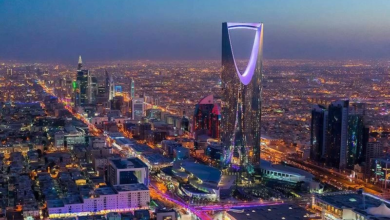
In its latest Economic Outlook report, the World Bank announced a positive forecast for the Saudi Arabian economy, predicting growth of up to 3.1%. This report reflects growing international confidence in the resilience of the Saudi economy and its ability to adapt to global changes, thanks to the deep structural reforms implemented by the Saudi government to enhance fiscal sustainability.
General context and historical background: The transition towards Vision 2030
Historically, the Saudi economy has relied heavily on oil revenues as the primary driver of growth and government spending. However, the Saudi leadership recognized the importance of diversifying income sources to mitigate the impact of sharp fluctuations in global energy markets. Since the launch of Vision 2030, spearheaded by Crown Prince Mohammed bin Salman, the country has undergone a radical transformation towards reducing its dependence on oil. The Vision focuses on developing vital new sectors such as tourism, entertainment, technology, industry, and renewable energy. This strategy has proven successful, with non-oil activities becoming the main engine of economic growth in recent years, helping to offset any decline resulting from the voluntary reduction in oil production under the OPEC+ agreement.
The importance of the event and its local impact
Domestically, the projected 3.1% growth rate for the Saudi economy carries significant implications. This growth translates directly into increased job opportunities for citizens, contributing to the continued reduction of unemployment rates, which have reached historically low levels. Furthermore, this growth bolsters the confidence of both local and foreign investors, leading to increased foreign direct investment inflows into the Saudi market. In addition, this economic stability supports continued government spending on major development projects such as NEOM, the Red Sea Project, and Qiddiya, which aim to improve the quality of life and provide an attractive business environment.
Regional and international impact of Saudi economic growth
Regionally, Saudi Arabia is the largest economy in the Middle East and North Africa. Therefore, any positive growth in its economy directly impacts the stability of the region as a whole. A strong Saudi economy contributes to increased intra-regional trade and supports neighboring economies through direct investments and development initiatives.
Internationally, the Kingdom plays a pivotal role as an active member of the G20, which comprises the world's largest economies. Achieving 3.1% growth amidst global economic challenges such as high interest rates and global inflation demonstrates a successful and resilient economic model. Furthermore, Saudi Arabia continues to act as a stabilizing force in global energy markets, balancing the need to meet global oil demand with significant investments in green economy initiatives and carbon neutrality.
Controlling inflation and achieving financial stability
It is worth noting that World Bank and IMF reports frequently commend Saudi Arabia's ability to control inflation rates and keep them low compared to global averages. This financial stability is attributed to the prudent monetary policies pursued by the Saudi Central Bank, in addition to government subsidies for essential goods, which protect the purchasing power of citizens and residents.
Summary of economic forecasts
In conclusion, the World Bank’s forecast of 3.1% growth for the Saudi economy is an international testament to the success of the Kingdom’s economic transformation. Continued focus on empowering the private sector, developing digital infrastructure, and fostering innovation will ensure the long-term sustainability of this growth, further solidifying the Kingdom’s position as a leading economic power on both the regional and international stages.