The Russian Central Bank adjusts exchange rates: the dollar falls, while the euro and yuan rise

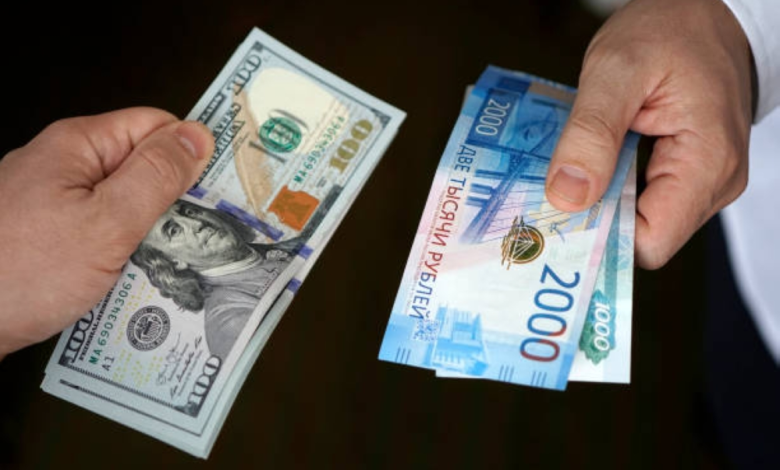
The Central Bank of Russia announced its official adjustments to the exchange rates of major currencies against the ruble, a move reflecting the changing dynamics of the Russian economy in the current geopolitical environment. According to the released data, the Central Bank decided to lower the official exchange rate of the US dollar by 7.92 kopeks, bringing it to 74.8014 rubles. Conversely, the euro and the Chinese yuan saw significant appreciation. The euro rose by 86.58 kopeks to 88.6429 rubles, and the Chinese yuan increased by 0.58 kopeks, reaching 10.9593 rubles.
General context and economic transformations
These adjustments come within a complex economic context that Russia has been navigating since 2022, characterized by extensive economic sanctions imposed by Western countries. These sanctions aimed to isolate Russia from the dollar-dominated global financial system. In response, Moscow adopted a clear strategy of “de-dollarization,” aimed at reducing its reliance on the US currency in its foreign reserves and international trade transactions. Strengthening the role of the Chinese yuan is a key component of this strategy, as China has become Russia’s largest trading partner, and yuan trading on the Moscow Exchange has seen tremendous growth, sometimes exceeding dollar trading volume.
The importance of the event and its expected impact
Domestically andother "friendly" currencies in their trade contracts, thus altering the nature of the financial risks they face.
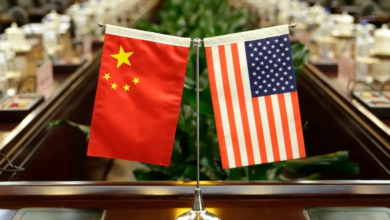
On both regional and international levels, this decision represents yet another indication of the reshaping of the global economic alliances map. Strengthening the yuan's position in the Russian economy not only serves Russia's interests in circumventing sanctions but also supports Beijing's ambitions to make its currency an international reserve currency capable of challenging the dollar's dominance. This Russian-Chinese rapprochement is establishing an alternative financial system that could attract other countries seeking to reduce their dependence on the dollar, potentially having long-term implications for the global financial system established after World War II.